


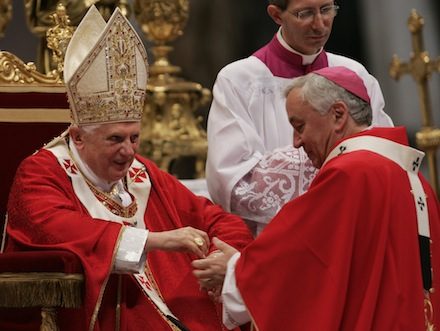
This isn’t about the morality of gay relationships: it’s about obedience—to the Magisterium, and to Conscience properly understood The Pope has announced a consistory for next month. Since this is the second consistory at which our own Archbishop of Westminster might feasibly have received his red hat, the omission of his name has occasioned a certain amount of ill-conditioned comment, almost certainly unjustified. This is an unusually small consistory: and others who might have appeared (and were indeed expected to appear) are also missing. So the idea that by omitting his name yet again Rome is showing its displeasure at the Archbishop’s, shall we say, lack of entire conformity with the Holy Father’s teaching and specific intentions, by withholding the desirable headgear in question is premature. Most notably, the newly appointed prefect of the Congregation of the Doctrine of the Faith, who is known to be close to the Holy Father, isn’t there either but certainly will be soon; neither are Archbishop Chaput and several others known to be high in the Pope’s favour. In its own comment, Protect the Pope “cautions readers who post on this to exercise restraint and charity”: and so do I. The mention of the new Prefect of the CDF, Gerhard Ludwig Müller does, however, inevitably raise the question which remains the most potentially inflammatory source of division between Rome and Westminster: the Soho Masses. The previous prefect of the CDF, Cardinal Levada, obviously decided to tread softly around the question, much to the mystification of many. It looks as though his successor has decided to confront it. The question for him (and for what follows here, too) is not, except indirectly, that of Catholic teaching on homosexuality. I have written about that, heaven knows, before and certainly don’t intend to repeat myself yet again now. That isn’t the problem for the Church; we know what the teaching is, what faithful Catholics believe. The problem is that old “Spirit of Vatican II” distortion redefining conscience as being not, in Newman’s majestic words, “the aboriginal Vicar of Christ, a prophet in its informations, a monarch in its peremptoriness, a priest in its blessings and anathemas”, the inborn voice of God, restraining us and leading us to Him—but on the contrary a principle justifying the gratification of every individual desire, a procedure implicitly and sometimes explicitly claiming precedence even for Catholics over the authority of the Magisterium of the Church. How many times have I read in The Tablet a suggestion that Newman’s famous remark in the Letter to the Duke of Norfolk --“Certainly, if I am obliged to bring religion into after-dinner toasts, …. I shall drink—to the Pope, if you please—still, to Conscience first, and to the Pope afterwards” – can be held to justify virtually any dissent from papal teaching? But that was not at all what Newman was saying in the Letter to the Duke of Norfolk. He makes that quite clear (§4):
2:29 PM
The new prefect of the CDF intends to take on the Soho Masses. I hope he does; that would get Archbishop Vincent off a very uncomfortable hook
This isn’t about the morality of gay relationships: it’s about obedience—to the Magisterium, and to Conscience properly understood
William Oddie

8 min read



Already a subscriber? Sign in
5freearticles every month
Continue reading with a free account. No card needed.
- Five free articles every thirty days, on any device you sign in on
- The Catholic Herald newsletter, every morning
- Subscribe whenever you like for everything: every article and the magazine
Related articles
 Newsroom
Church leaders urge Drumcree dialogue: ‘Too much is at stake’
The Catholic and Church of Ireland Archbishops of Armagh have urged a renewed commitment to peace and reconciliation amid the Drumcree stand-off
Corrie Douglas-Young Newsroom
Thousands of Irish children to join global Rosary campaign
Corrie Douglas-Young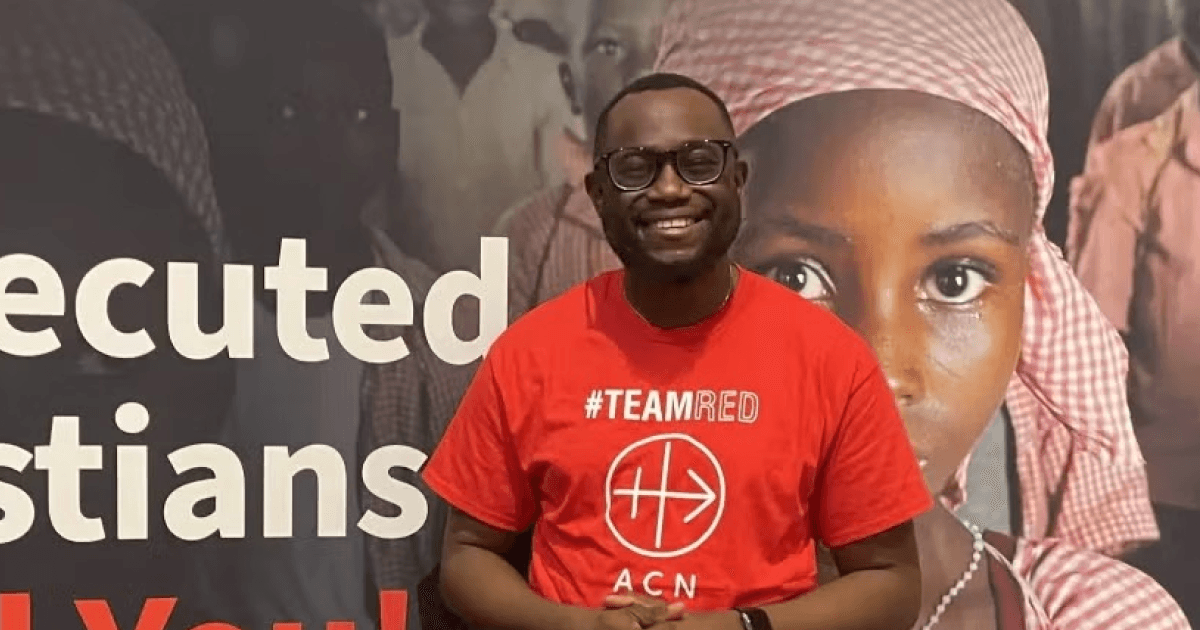 Newsroom
TikTok priest urges young people to stand with persecuted Christians
Nathalie Raffray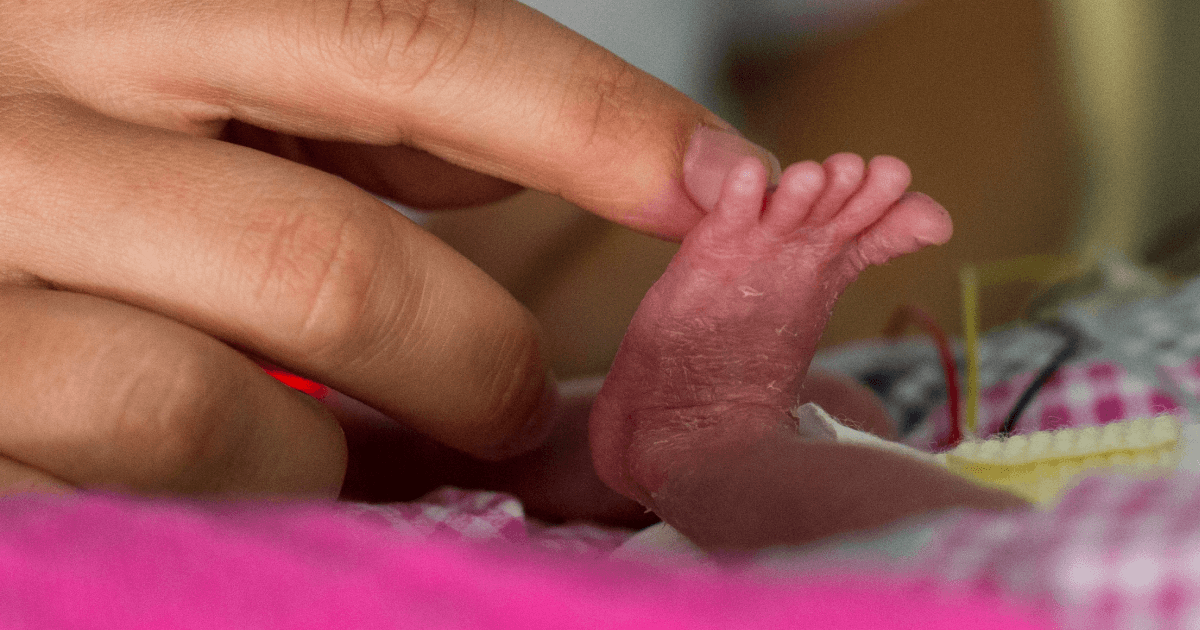 Newsroom
Baby born at 25 weeks reunites with neonatologist two years after leaving hospital
The Catholic Herald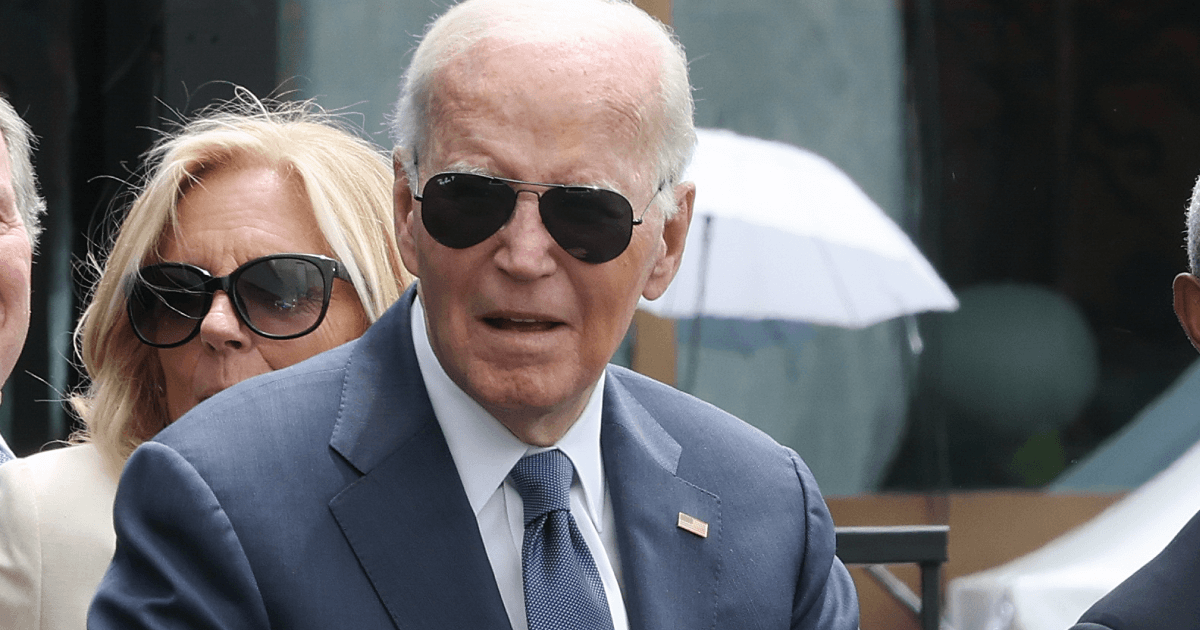 Newsroom
Joe Biden honoured by Planned Parenthood after defending abortion rights
Christine Rousselle
subscribe to the catholic herald today
Our best content is exclusively available to our subscribers. Subscribe today and gain instant access to expert analysis, in-depth articles, and thought-provoking insights—anytime, anywhere. Don’t miss out on the conversations that matter most.
Subscribe



