



Well, the new translation of the Mass is now up and running, and, at least in my parish, its launch seems to have passed off without any awkwardness at all. “And with your spirit” was confidently and (as far as I could see) unanimously declared, as though the congregation had been saying it for years (phone conversations, however, have elicited a certain difficulty elsewhere in remembering to say it. Maybe the most important thing to remember is to keep your eyes on the card). There was a real sense of occasion, I thought. We began, slightly shakily, using James MacMillan’s very splendid setting (used at the beatification last year), and the process of getting people’s heads around it has begun. All in all, it was a great occasion. As in parishes all over the country, a series of sermons on the new translation, and on the Mass itself, also got successfully underway. I wonder how many priests said for the first time that the people’s response in that opening exchange between priest and congregation does not mean “and the same to you, Father”. “And also with you” can’t really mean much more: indeed, it was the perfect example of how the old translation, from the off, consistently reduced (ah, wondrous past tense) theological meaning in the movement from Latin to English. So why is it “and with your spirit”? Your priest probably quoted biblical, especially Pauline, and also Patristic instances in which the phrase was regularly used – instances which mostly had never been quoted in sermons before, since we were lumbered with “And also with you”; why bother? (if you didn’t have such a sermon on Sunday, have a look at Fr Austin Milner OP’s scholarly article published in the Herald early this year). The loss of meaning in that opening exchange was enormous. A good explanation of just how much was lost (and now has been regained) has been given by Mgr Charles Pope of the Archdiocese of Washington:
3:49 PM
The new translation of the Mass is a huge success. But why, oh why, are we stuck with the clumsy old version of the Agnus Dei?
All the same, I am profoundly grateful for what we now have. Never again ‘And also with you’
William Oddie

8 min read



Already a subscriber? Sign in
5freearticles every month
Continue reading with a free account. No card needed.
- Five free articles every thirty days, on any device you sign in on
- The Catholic Herald newsletter, every morning
- Subscribe whenever you like for everything: every article and the magazine
Related articles
 Newsroom
Church leaders urge Drumcree dialogue: ‘Too much is at stake’
The Catholic and Church of Ireland Archbishops of Armagh have urged a renewed commitment to peace and reconciliation amid the Drumcree stand-off
Corrie Douglas-Young Newsroom
Thousands of Irish children to join global Rosary campaign
Corrie Douglas-Young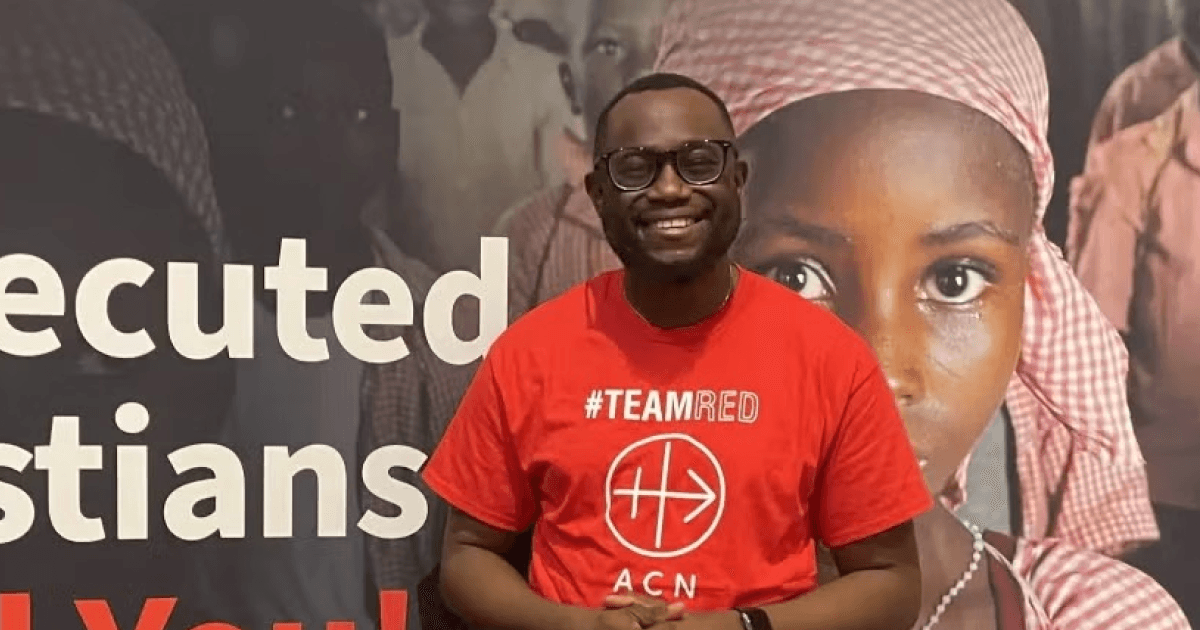 Newsroom
TikTok priest urges young people to stand with persecuted Christians
Nathalie Raffray Newsroom
Baby born at 25 weeks reunites with neonatologist two years after leaving hospital
The Catholic Herald Newsroom
Joe Biden honoured by Planned Parenthood after defending abortion rights
Christine Rousselle
subscribe to the catholic herald today
Our best content is exclusively available to our subscribers. Subscribe today and gain instant access to expert analysis, in-depth articles, and thought-provoking insights—anytime, anywhere. Don’t miss out on the conversations that matter most.
Subscribe



