February 12, 2026

The pagan roots of Christian icons

Jonathan Wright
More
Related
Min read
share

The Dawn of Christian Art in Panel Paintings and Icons
by Thomas F Mathews with Norman E Muller, Getty, £32.50

Thomas Mathews, assisted here by Norman Muller, is not bashful when it comes to challenging scholarly assumptions. We’re often told that religious icons came to dominate Christian art only during the 6th and 7th centuries. Mathews points to textual evidence (in the works of Irenaeus and the non-canonical Acts of John) that seems to push the story back by a good 400 or 500 years.

We’re also usually informed that innovation was key when Christian art began to flourish. Mathews readily concedes that “Christians wanted to think that their art departed radically from the mores they had rejected,” but when pondering the specifics of artistic practice he frowns upon any “doctrinaire segregation of pagan from Christian”. Rather, Mathews discerns a “smooth continuity” between the forms and techniques of classical panel painting and the Christian icon tradition. Moreover, the traces of this syncretic inheritance lasted, on Mathews’s account, all the way through to the Renaissance.
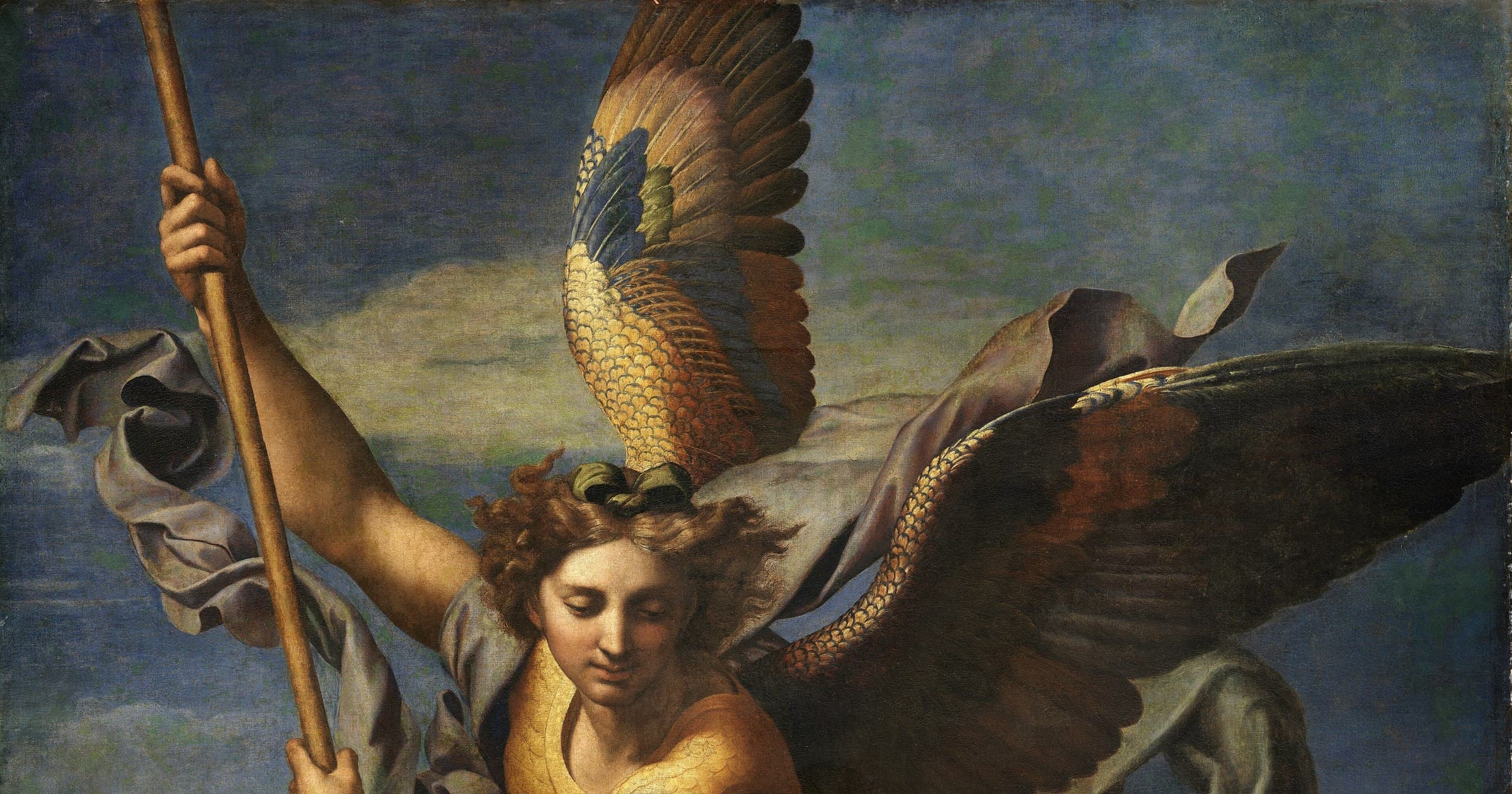
Compelling suggestions, to be sure, though the tough part, as Mathews admits, is establishing demonstrable links. Fragility meant that wooden panel paintings from ancient Greece had little chance of survival, but the tradition moved on to Roman Egypt and Mathews deploys 59 images, most of which have received scant academic attention, as a rich source of comparison with the Christian icons that emerged over the following millennium.

On the face of things, the trajectories of influence are striking. Common methods and strategies included the size of images, pigments used and methods of application and framing. Crucially, Mathews argues for a shared visual language: stances, gestures and even “the subtleties of gaze”.

The bearded Christ can look a lot like Zeus or Serapis. Mary and the Christ Child can bear a resemblance to Isis and her child Harpocrates. Both latter pairs are seated in specific ways, in images separated by centuries, so perhaps we now have clues about “how Mary, the maid from Nazareth, got her throne”.

Beyond doubt there were efforts to differentiate between Christian and earlier imagery. All those ancient goddesses dripped with jewellery and often shared the panel with a consort: Mary had no such encumbrances in the art of the faithful. Still, the case for thematic reverberation is made convincingly and Mathews has even more surprising suggestions in store.

Triptychs are surely a Christian invention, no? Well, Mathews argues that the tradition can be traced back to portable Egyptian shrines with painted door panels. At least, the widespread use of more malleable and lasting egg tempera as a medium can be credited to Italian Renaissance painters like Cimabue? Think again, says Mathews: the same method had been mastered more than 1,000 years earlier in Roman Egypt.

An obvious riposte would be that similarity does not necessarily signal causal connection, but Mathews assembles so much evidence that it is not sufficient to put everything down to happenstance or to accuse him of lapsing into some post hoc fallacy.

Sometimes coincidence or obviously shared practical needs might explain things away. It isn’t so astonishing that both the ancients and Christians crafted scenes in which a dominant figure was surrounded by a hierarchically ranked supporting cast. Nor that groupings of images came to serve important devotional purposes in both pagan temples and Christian churches. On many specific points, however, Mathews mounts a rigorous defence of the argument for continuity and cross-fertilisation.

None of this alters the fact that these various streams of imagery served very different purposes and that Christianity challenged the theological goals of paganism. But as a study in the broader processes of artistic endeavour and cultural interplay this book is provocative, well considered and really rather brave. It is certainly worth pondering Mathews’s claim that he has identified a “radically new starting point for Christian art”.

The Dawn of Christian Art in Panel Paintings and Icons
by Thomas F Mathews with Norman E Muller, Getty, £32.50

Thomas Mathews, assisted here by Norman Muller, is not bashful when it comes to challenging scholarly assumptions. We’re often told that religious icons came to dominate Christian art only during the 6th and 7th centuries. Mathews points to textual evidence (in the works of Irenaeus and the non-canonical Acts of John) that seems to push the story back by a good 400 or 500 years.

We’re also usually informed that innovation was key when Christian art began to flourish. Mathews readily concedes that “Christians wanted to think that their art departed radically from the mores they had rejected,” but when pondering the specifics of artistic practice he frowns upon any “doctrinaire segregation of pagan from Christian”. Rather, Mathews discerns a “smooth continuity” between the forms and techniques of classical panel painting and the Christian icon tradition. Moreover, the traces of this syncretic inheritance lasted, on Mathews’s account, all the way through to the Renaissance.
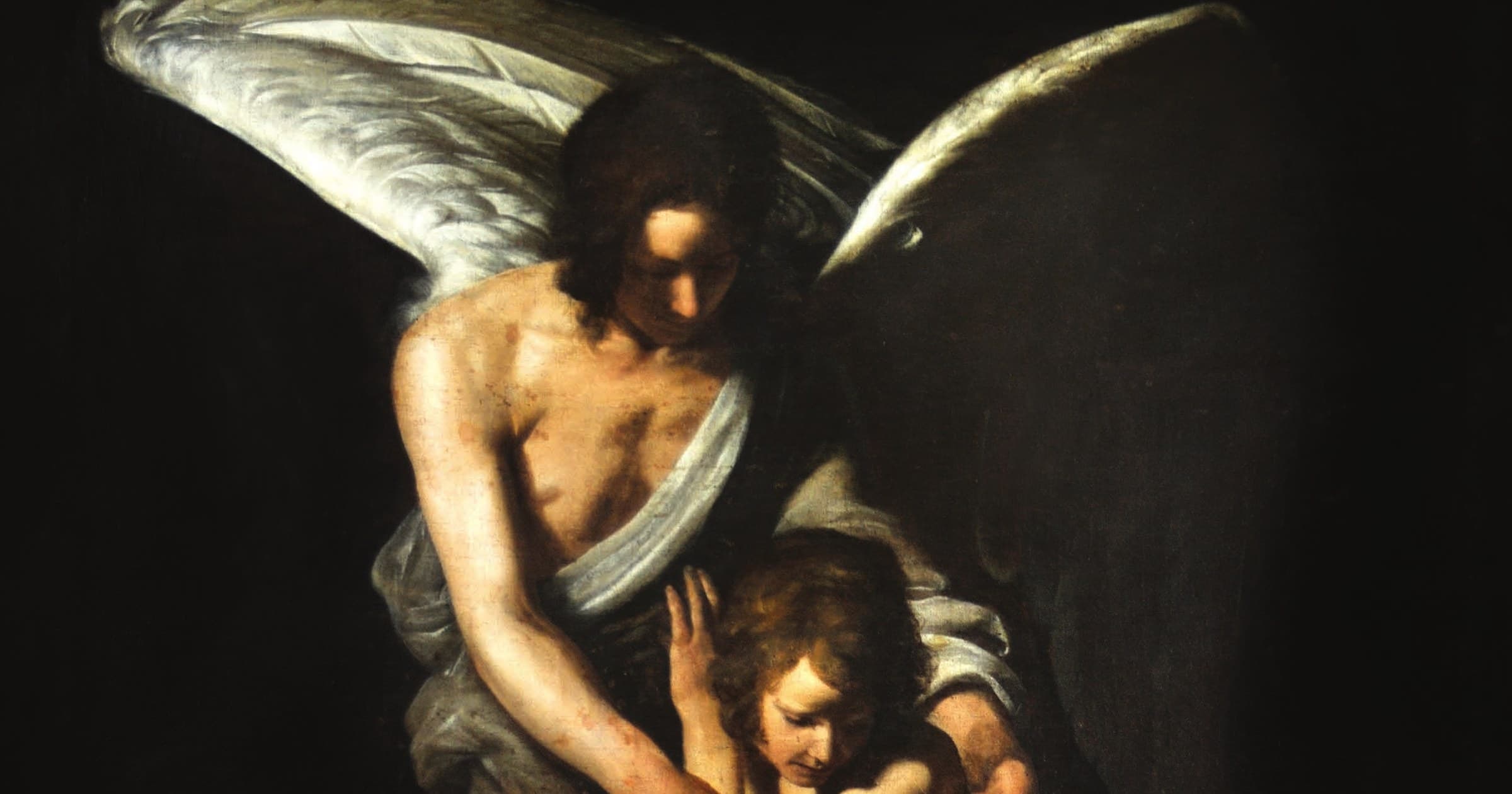
Compelling suggestions, to be sure, though the tough part, as Mathews admits, is establishing demonstrable links. Fragility meant that wooden panel paintings from ancient Greece had little chance of survival, but the tradition moved on to Roman Egypt and Mathews deploys 59 images, most of which have received scant academic attention, as a rich source of comparison with the Christian icons that emerged over the following millennium.

On the face of things, the trajectories of influence are striking. Common methods and strategies included the size of images, pigments used and methods of application and framing. Crucially, Mathews argues for a shared visual language: stances, gestures and even “the subtleties of gaze”.

The bearded Christ can look a lot like Zeus or Serapis. Mary and the Christ Child can bear a resemblance to Isis and her child Harpocrates. Both latter pairs are seated in specific ways, in images separated by centuries, so perhaps we now have clues about “how Mary, the maid from Nazareth, got her throne”.

Beyond doubt there were efforts to differentiate between Christian and earlier imagery. All those ancient goddesses dripped with jewellery and often shared the panel with a consort: Mary had no such encumbrances in the art of the faithful. Still, the case for thematic reverberation is made convincingly and Mathews has even more surprising suggestions in store.

Triptychs are surely a Christian invention, no? Well, Mathews argues that the tradition can be traced back to portable Egyptian shrines with painted door panels. At least, the widespread use of more malleable and lasting egg tempera as a medium can be credited to Italian Renaissance painters like Cimabue? Think again, says Mathews: the same method had been mastered more than 1,000 years earlier in Roman Egypt.

An obvious riposte would be that similarity does not necessarily signal causal connection, but Mathews assembles so much evidence that it is not sufficient to put everything down to happenstance or to accuse him of lapsing into some post hoc fallacy.

Sometimes coincidence or obviously shared practical needs might explain things away. It isn’t so astonishing that both the ancients and Christians crafted scenes in which a dominant figure was surrounded by a hierarchically ranked supporting cast. Nor that groupings of images came to serve important devotional purposes in both pagan temples and Christian churches. On many specific points, however, Mathews mounts a rigorous defence of the argument for continuity and cross-fertilisation.

None of this alters the fact that these various streams of imagery served very different purposes and that Christianity challenged the theological goals of paganism. But as a study in the broader processes of artistic endeavour and cultural interplay this book is provocative, well considered and really rather brave. It is certainly worth pondering Mathews’s claim that he has identified a “radically new starting point for Christian art”.

subscribe to
the catholic herald

Continue reading your article with a subscription.
Read 5 articles with our free plan.
Subscribe

subscribe to the catholic herald today

Our best content is exclusively available to our subscribers. Subscribe today and gain instant access to expert analysis, in-depth articles, and thought-provoking insights—anytime, anywhere. Don’t miss out on the conversations that matter most.
Subscribe