



When the Pope visits Burma this month thousands of lives could depend on whether he utters a particular word. If he says “Rohingya” all hell will break loose, according to a spokesman for the Burmese bishops. That is the word that the 1.1 million-strong Muslim minority in Burma uses to identify itself. The Burmese authorities virulently reject the term, insisting that the Rohingya are, in fact, Bengalis who entered the country illegally from Bangladesh. What would happen if Pope Francis referred to the Rohingya while on Burmese soil? The bishops’ spokesman implies there would be a violent reaction, whipped up perhaps by hardline Buddhist monks already resentful of the papal visit. Burma’s Catholic minority, which numbers just 450,000 in a country of 53 million, would be vulnerable. The nation’s military would reassert itself, undermining Aung San Suu Kyi, leader of Burma’s fragile democratic renaissance. Maybe Burma would even cut its ties with the Holy See, just months after establishing full diplomatic relations. This is the nightmare scenario, but the Pope may think such fears are overblown. He has, after all, mentioned the Rohingya by name several times already in Rome. He is arguably the minority’s most prominent international supporter. The Burmese government knew this when it invited him to make the first papal visit in the country’s history. But Francis might yet be cautious. While he is deeply pained by the persecution of the Rohingya – who some say are facing genocide – he is also wary of destabilising Suu Kyi. The Nobel Peace Prize-winner is now being shunned by her former Western champions for a perceived lack of sympathy for the Rohingya. Yet she remains the key to Burma’s emergence from decades of autocratic rule. Is there a way for Francis to both respect the Burmese bishops’ wishes and to raise the alarm about the Rohingya? After his three-day trip to Burma, Francis will fly to Bangladesh. While there is currently no mention of it on his schedule, he could meet some of the 600,000 Rohingya who have fled Burma since August. Even then Francis would not have to say the word “Rohingya”. It would be enough for him to be pictured with the refugees. That image alone would convey a message as powerful as any words. Such a gesture might still infuriate Burma’s military leaders. But they couldn’t claim that the Pope had insulted them on their soil. And if they denounced Francis publicly, they might upset the general populace, who are likely to appreciate the Pope’s efforts to end Burma’s decades-long international isolation. Pariah status has dragged the once prosperous nation down to 208th place in the world rankings for GDP per capita – and most Burmese are fed up with it. We will soon find out which course Pope Francis has chosen. He is well aware that the fate of many depends on his good judgment. He would surely welcome our renewed prayers as he sets out on one of the most delicate missions of his pontificate.
12:00 PM
The ‘R’ word
The Catholic Herald

5 min read



Already a subscriber? Sign in
5freearticles every month
Continue reading with a free account. No card needed.
- Five free articles every thirty days, on any device you sign in on
- The Catholic Herald newsletter, every morning
- Subscribe whenever you like for everything: every article and the magazine
Related articles
 Newsroom
Church leaders urge Drumcree dialogue: ‘Too much is at stake’
The Catholic and Church of Ireland Archbishops of Armagh have urged a renewed commitment to peace and reconciliation amid the Drumcree stand-off
Corrie Douglas-Young Newsroom
Thousands of Irish children to join global Rosary campaign
Corrie Douglas-Young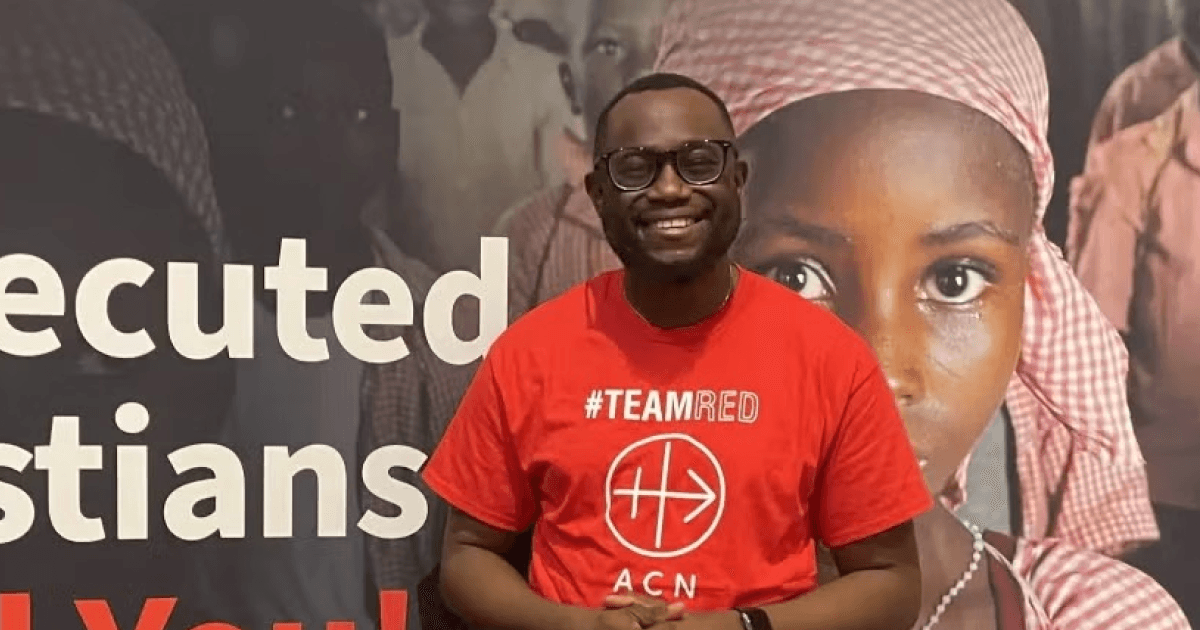 Newsroom
TikTok priest urges young people to stand with persecuted Christians
Nathalie Raffray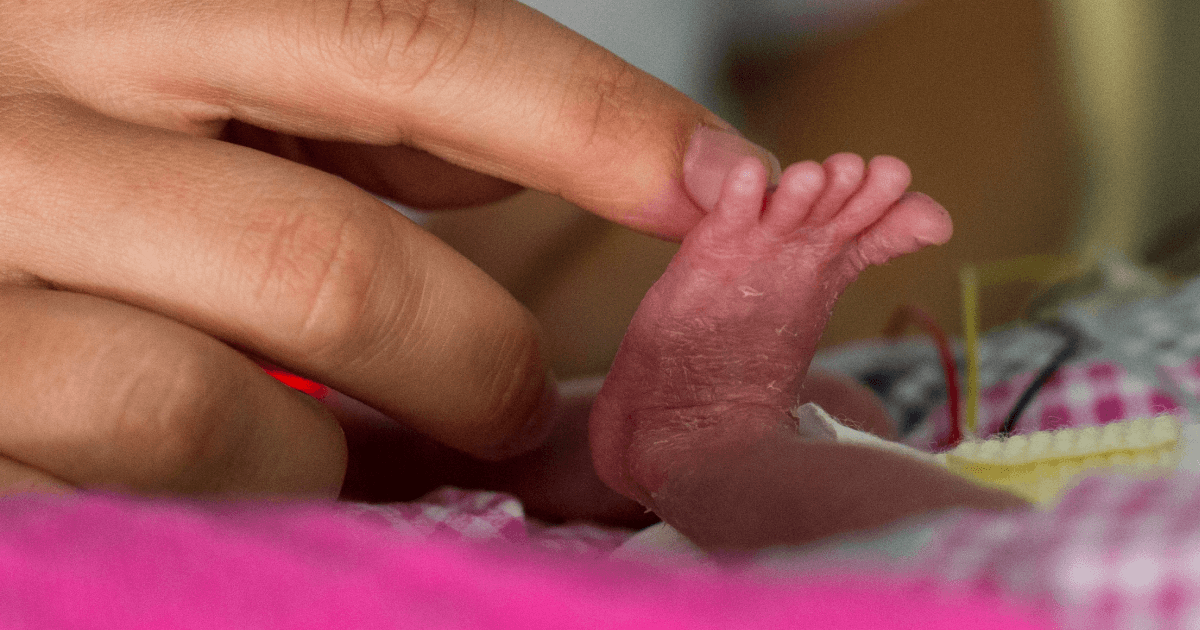 Newsroom
Baby born at 25 weeks reunites with neonatologist two years after leaving hospital
The Catholic Herald Newsroom
Joe Biden honoured by Planned Parenthood after defending abortion rights
Christine Rousselle
subscribe to the catholic herald today
Our best content is exclusively available to our subscribers. Subscribe today and gain instant access to expert analysis, in-depth articles, and thought-provoking insights—anytime, anywhere. Don’t miss out on the conversations that matter most.
Subscribe



