


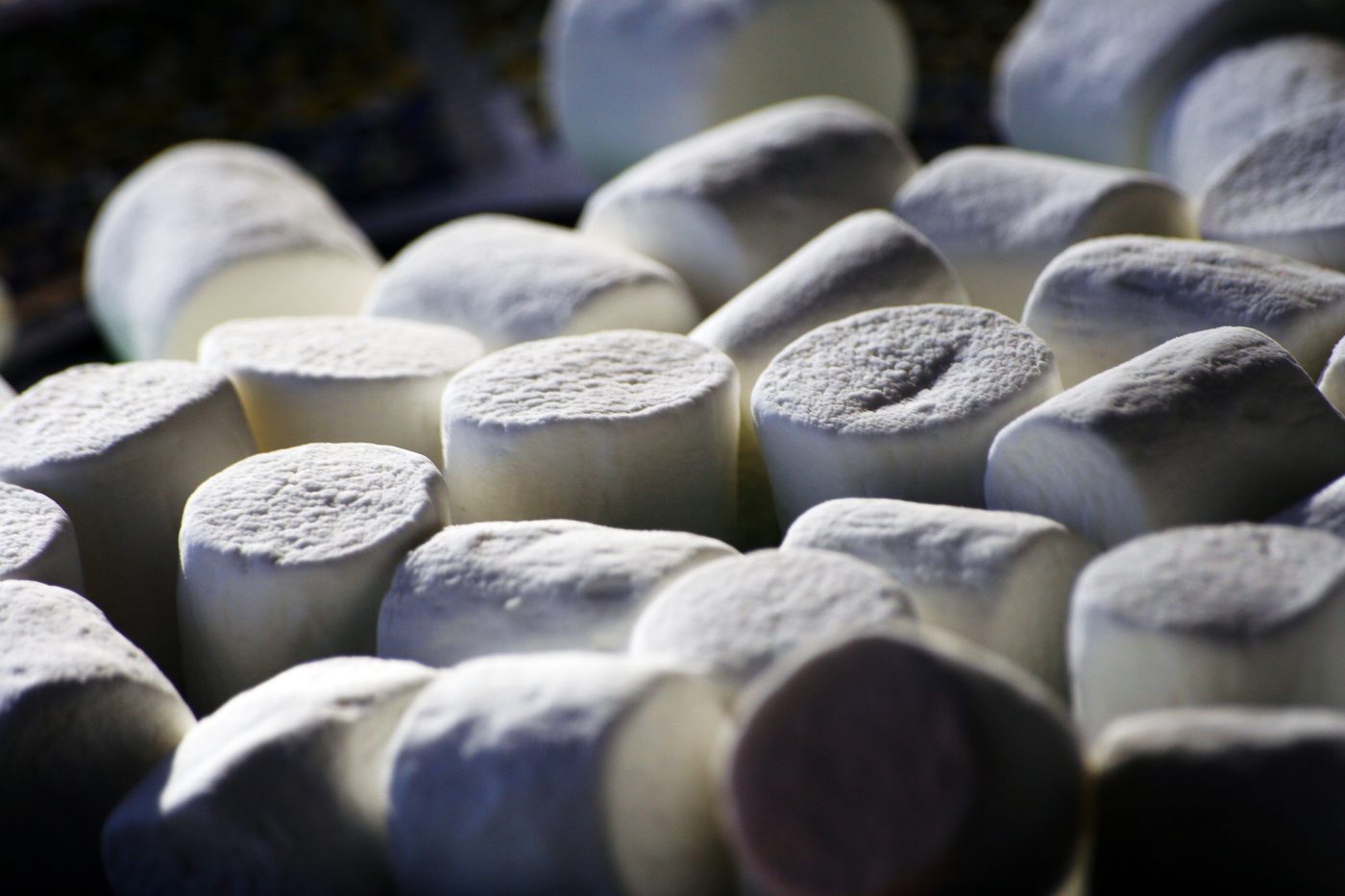
A Stanford academic called Walter Mischel devised the ground-breaking Marshmallow Test. It was very simple: they put a young child alone in a room with a marshmallow. The child was given a choice: they could eat the marshmallow straight away, or wait 15 minutes and be given a second marshmallow as a reward for waiting. In the decades that followed, researchers kept tabs on the kids. In 2013, Dr Mischel was interviewed by Charlie Rose about his findings, notably that the kids who resisted eating the marshmallow got better marks in school, were less likely to take drugs and were less likely to be obese. Now that we are entering Lent, many of us are a little bit like the kids in the experiment, willing ourselves to "give up" something sweet and pleasurable for a set time. If we’re giving up chocolate, paying for our groceries in shops that place keyboard-sized bars of the stuff around the tills without giving into temptation will require self-discipline. Those of us who give up gin and tonics may have to go to functions and parties where the smell of juniper is heavy in the air, but doing our Lenten penance will mean saying no to the offer of a drink. We won’t be videotaped and a team of psychologists will not be poring over our responses. And we’re not doing Lenten penances as some academic experiment to measure our self-mastery. Rather, the Christian is doing Lenten penances with the view to earning grace and growing in holiness. An interesting essay uses the marshmallow studies on willpower to argue that our ability to resist temptation is directly related to how much trust we place in God. It argues:
10:15 AM
The rewards of a little self-denial in Lent are extraordinary
Don't take my word for it: look at what scientists discovered in a famous experiment
Mary O'Regan

3 min read



Already a subscriber? Sign in
5freearticles every month
Continue reading with a free account. No card needed.
- Five free articles every thirty days, on any device you sign in on
- The Catholic Herald newsletter, every morning
- Subscribe whenever you like for everything: every article and the magazine
Related articles
 Newsroom
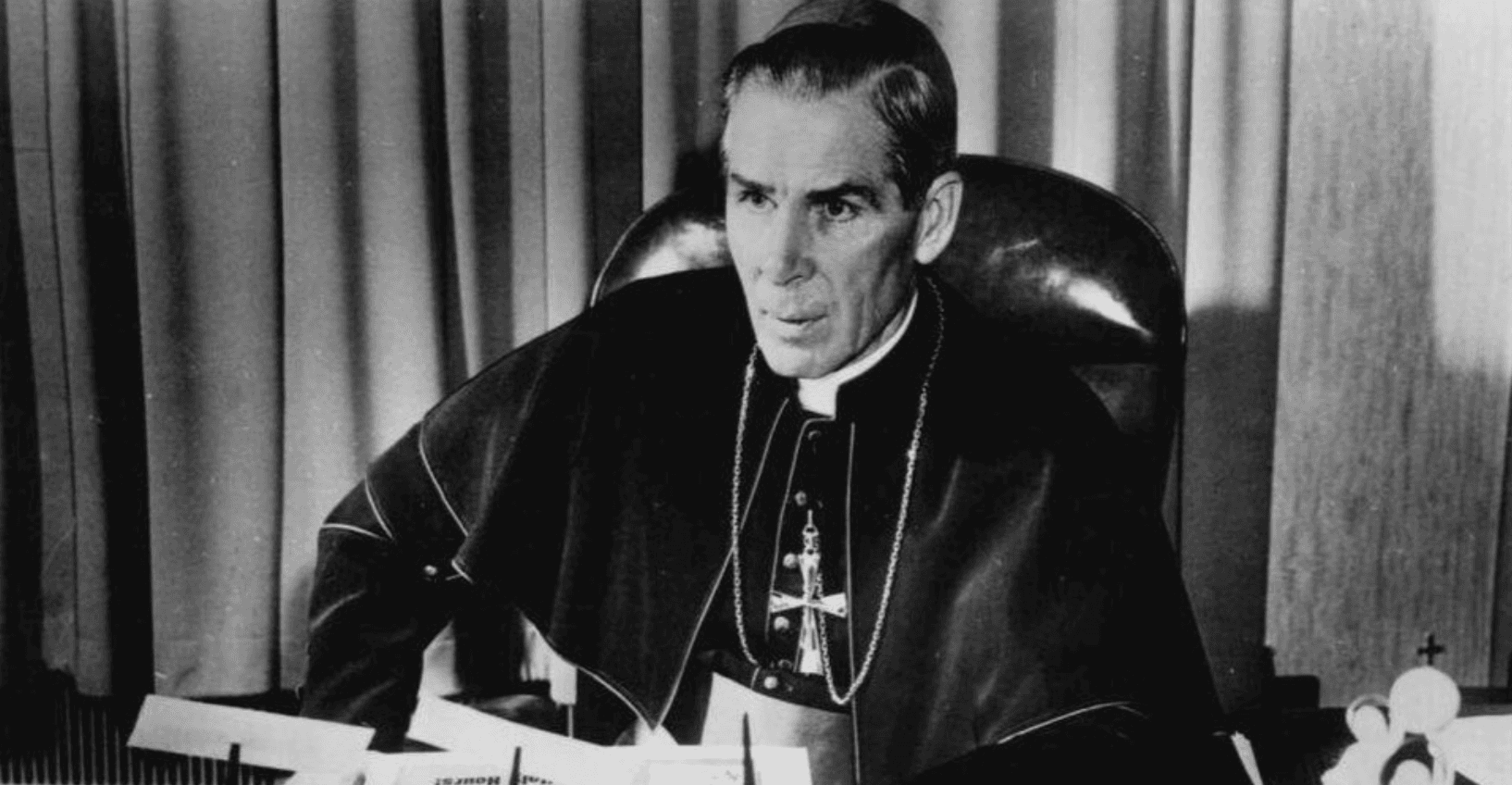
First parish named for Bl Fulton Sheen established in Illinois
Bishop Louis Tylka of Peoria announced the new Blessed Fulton Sheen Parish two days after Sheen became the first American-born bishop to be beatified
Christine Rousselle Newsroom
Injured priest tells Poles: ‘Do not blame Ukraine’ for convent attack
Corrie Douglas-Young Newsroom
Church leaders urge Drumcree dialogue: ‘Too much is at stake’
Corrie Douglas-Young Newsroom
Thousands of Irish children to join global Rosary campaign
Corrie Douglas-Young Newsroom
TikTok priest urges young people to stand with persecuted Christians
Nathalie Raffray
subscribe to the catholic herald today
Our best content is exclusively available to our subscribers. Subscribe today and gain instant access to expert analysis, in-depth articles, and thought-provoking insights—anytime, anywhere. Don’t miss out on the conversations that matter most.
Subscribe



