


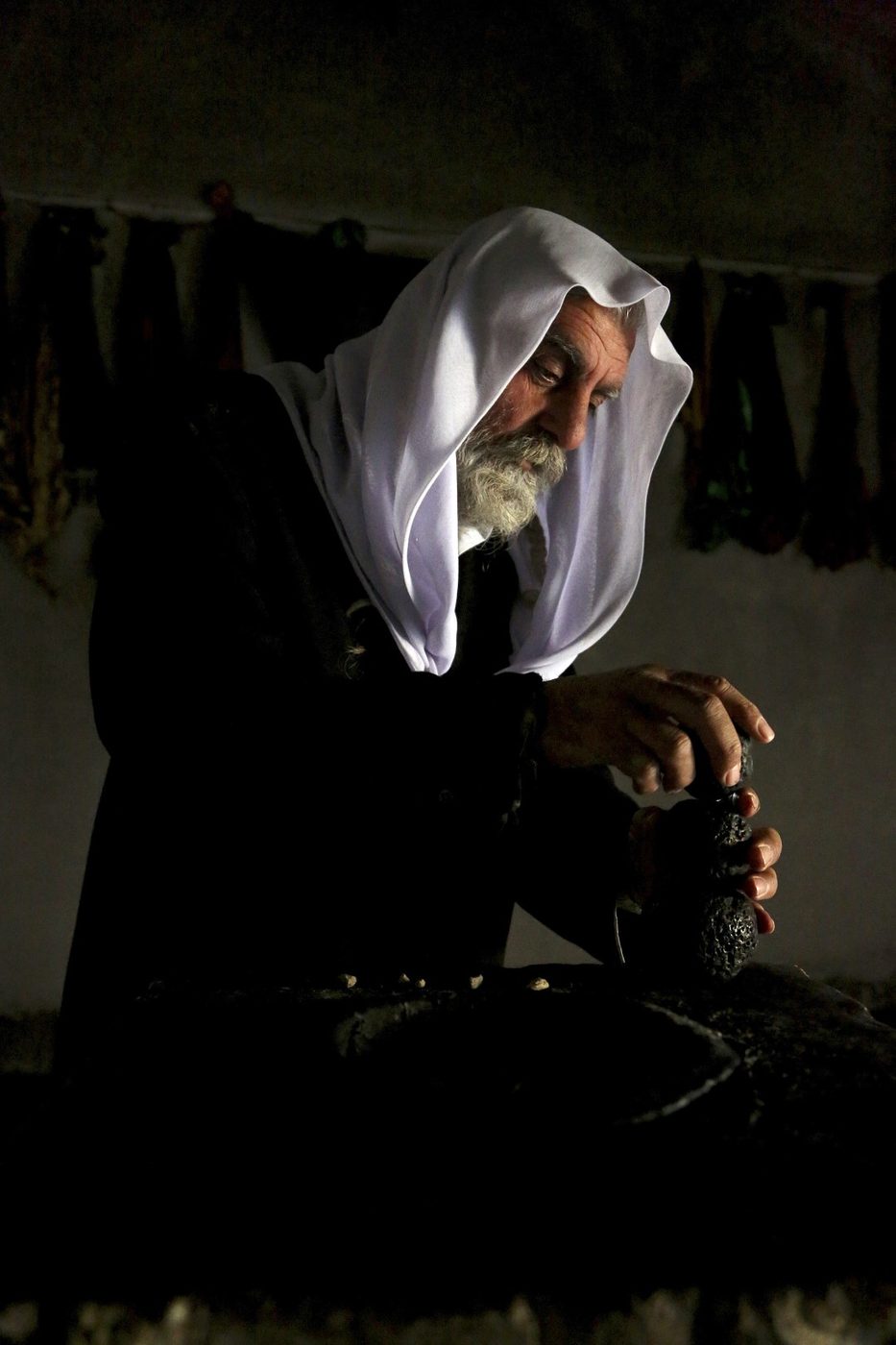
Across the Middle East today, non-Muslim minorities are on the retreat. Let the numbers alone tell the story. Christians in Iraq comprised eight per cent in 1987 and are one per cent today. The mysterious Mandaeans, who once kept alive Babylonian traditions and a Gnostic faith in the Iraqi Marshes, have shrunk by more than nine-tenths. Even Egypt’s Copts, the largest of all non-Muslim communities in the Arab world, are beginning to head towards Europe and America. This trend is not new. One in 20 inhabitants of Latin America is descended from 19th-century Christian emigrants from the Levant. Such 21st-century immigrants have left behind them a Middle East which is more polarised along religious lines than it has ever been. Religious intolerance does not stop when it drives out non-believers; instead it constricts society into narrower and narrower circles. First pagans are persecuted; then Christians and Jews are driven out; then Muslim groups turn on each other with more brutality than they ever showed to outsiders. Sunni against Shia, Salafi against Sufi, and even al-Qaeda against Daesh (the self-styled “Islamic State”). The battles for orthodoxy are ever-diminishing in their purpose, ever-expanding in the violence and chaos that they bring. The best lack all conviction, as Yeats wrote, and the worst are full of passionate intensity. The post-1918 dream of national self-determination risks turning into the nightmare of religious segregation. Christians and Yazidis from Iraq bear eloquent testimony of threats or actual violence directed against them for their beliefs. In Syria, minorities who fear the Islamist opposition are corralled into support for a bloody and divisive government. In Egypt, the Muslim Brotherhood government of 2012 had just about the lowest level of Christian representation for 150 years. It wasn’t always this way – and it didn’t have to be this way. Yes, for those who want to interpret Islam as a militant faith which should be spread through violence, there are religious precedents and arguments at their disposal. This is what “Islamic State” exploits. Pretending that they have no religious basis at all is a mistake: it makes us ignore that the fight against their ideology is not just a matter of bombs and bullets but also of theology and psychology. Equally, though, those who think that the path of confrontation between Muslims and those of other faiths is inevitable, and that the Middle East has always been a maelstrom of sectarian conflict, could learn something from its modern history. In 18th-century Egypt the Copts – Egyptian Christians, who have their own ancient Church, founded by St Mark as tradition has it – were said by one European visitor to “tremble like leaves” because of constant persecution. They were excluded from government service and owning land, and their legal rights were severely restricted. Even riding on horseback was forbidden, in case it elevated a Christian above the level of a Muslim. By 1911, their position had changed utterly. There was a Copt as prime minister, and the Copts owned 20 per cent of the land (being probably then somewhat over 10 per cent of the population). Lebanese Christians had set up the country’s first newspapers. A Jew had been called “Egypt’s first Molière”. Most telling of all, Egypt’s film industry was just getting off the ground: Togo Mizrahi, one of its great Jewish directors, set up his first studio in the 1920s. Leila Murad was a Jewish Egyptian actress; even that more familiar figure, Omar Sharif, was originally a Christian. Both he and Murad adopted Islam as adults; but anyone who has read Lawrence Durrell’s The Alexandria Quartet will know that, in the early 20th century, Egypt was a cosmopolitan place. It might be tempting to put this down to the British involvement in Egypt, which began in the 1870s. The Copts themselves, though, saw the British as having interrupted a home-grown process of enlightenment under Egypt’s liberal native ruler, who before the British came had appointed the country’s first Christian prime minister and had declared “all are Egyptians alike”. At a time when Jews in Europe were far less emancipated, it was a radical move. Other parts of the Ottoman Empire were not so advanced. Christians and Yazidis continued to be persecuted in the late 19th century. When autonomous Arab states emerged after the First World War, though, they opened up space for non-Muslims to thrive. A Mandaean became president of one of Iraq’s biggest universities. Many of the country’s star footballers were Christian. So was the country’s foreign minister, Mikhail Yohanna, for all that he took the Muslim-sounding name Tariq Aziz. In Syria, an Alawite rose to become president, through a political party (the Ba’ath) founded by a Christian. Minority religions still attracted prejudice; rather as in the 19th century, Catholics could achieve prominence in English life but never equality. Yet the Arab world might have seemed in the 1940s or 1950s to be on a trajectory, rather like Europe’s, towards greater acceptance of the other. And then, it shifted and went in the other direction. What changed? Three things, and it happened some time ago: token appointments like Aziz’s concealed the social shifts that began in the 1950s and have since exacerbated conflicts. Those three things involved leadership, education and a sense of direction. Governments point the way: “all are Egyptians alike” has not often been the motto in Egypt since the 1952 coup removed the country’s monarchy. That coup introduced an era of anti-colonial autocracies across the Arab world. But other social changes were underway, too. The creation of Israel sparked a desire to have Muslim states to rival and oppose the Jewish state. Oil money enriched the Muslim world’s most
2:15 PM
The road back to peace
Gerard Russell

5 min read



Already a subscriber? Sign in
5freearticles every month
Continue reading with a free account. No card needed.
- Five free articles every thirty days, on any device you sign in on
- The Catholic Herald newsletter, every morning
- Subscribe whenever you like for everything: every article and the magazine
Related articles
 Newsroom
Church leaders urge Drumcree dialogue: ‘Too much is at stake’
The Catholic and Church of Ireland Archbishops of Armagh have urged a renewed commitment to peace and reconciliation amid the Drumcree stand-off
Corrie Douglas-Young Newsroom
Thousands of Irish children to join global Rosary campaign
Corrie Douglas-Young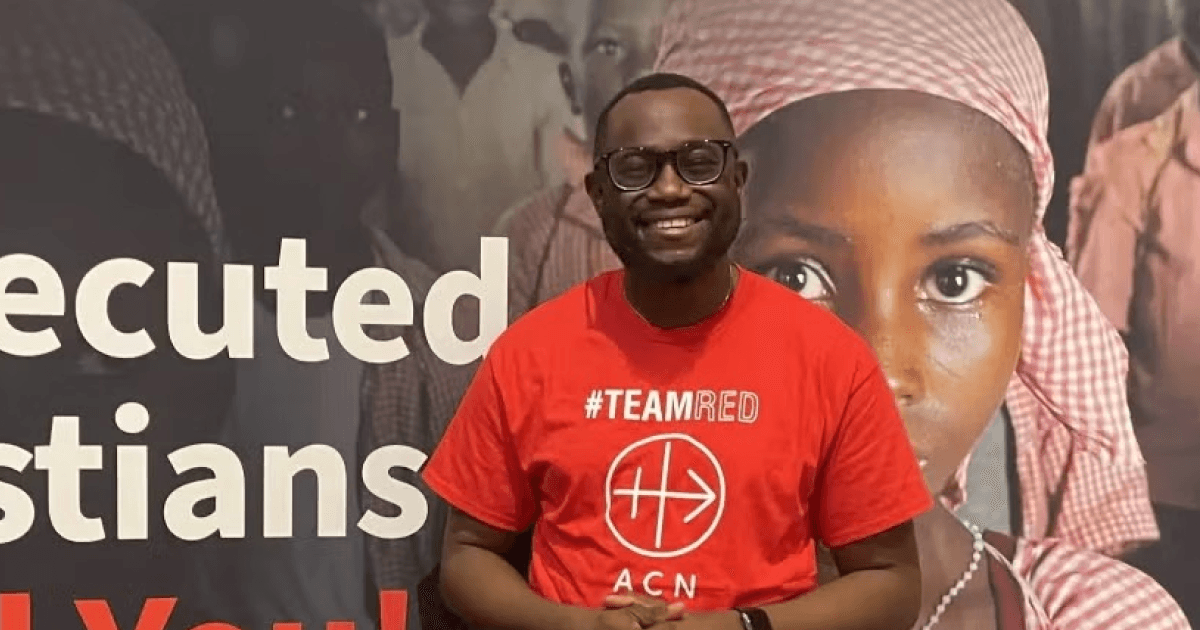 Newsroom
TikTok priest urges young people to stand with persecuted Christians
Nathalie Raffray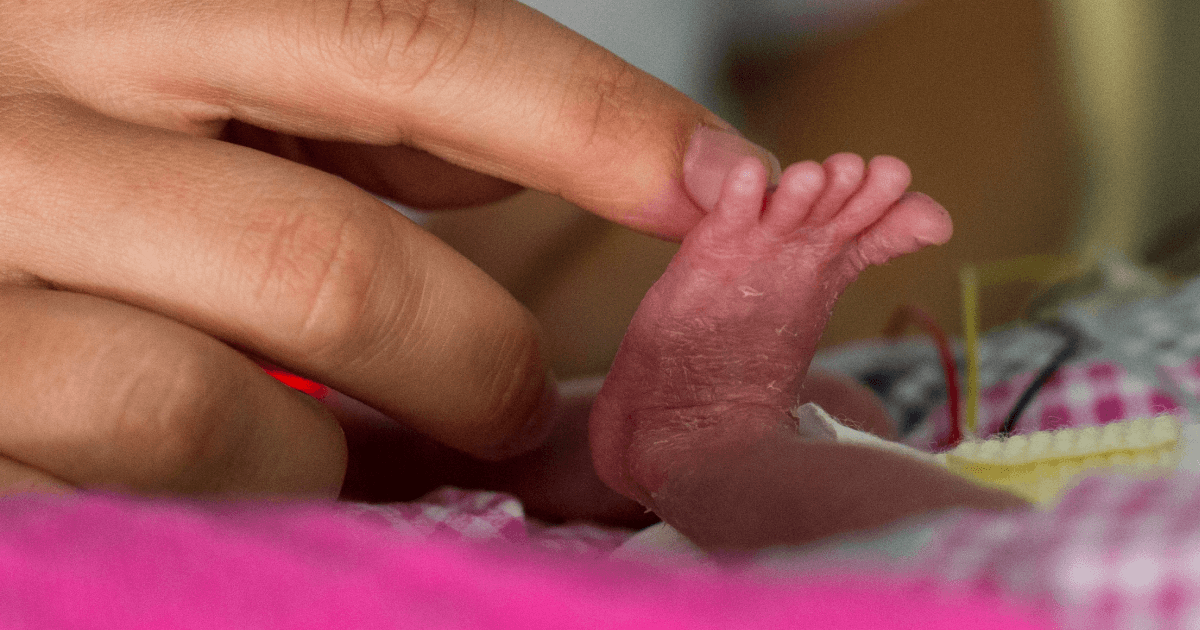 Newsroom
Baby born at 25 weeks reunites with neonatologist two years after leaving hospital
The Catholic Herald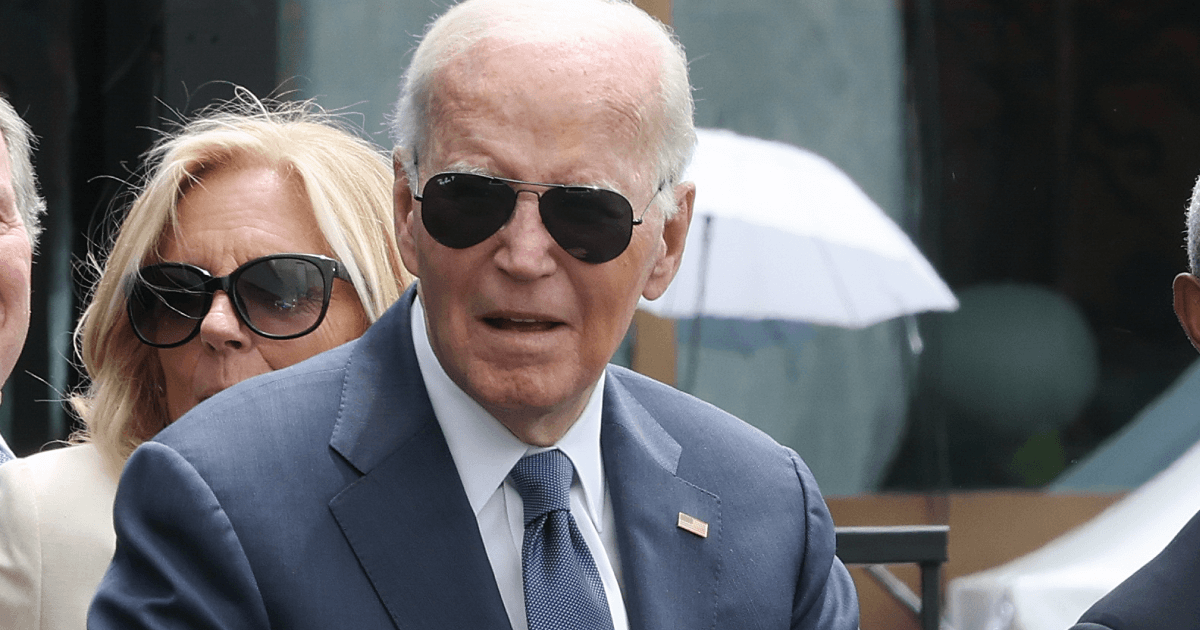 Newsroom
Joe Biden honoured by Planned Parenthood after defending abortion rights
Christine Rousselle
subscribe to the catholic herald today
Our best content is exclusively available to our subscribers. Subscribe today and gain instant access to expert analysis, in-depth articles, and thought-provoking insights—anytime, anywhere. Don’t miss out on the conversations that matter most.
Subscribe



