
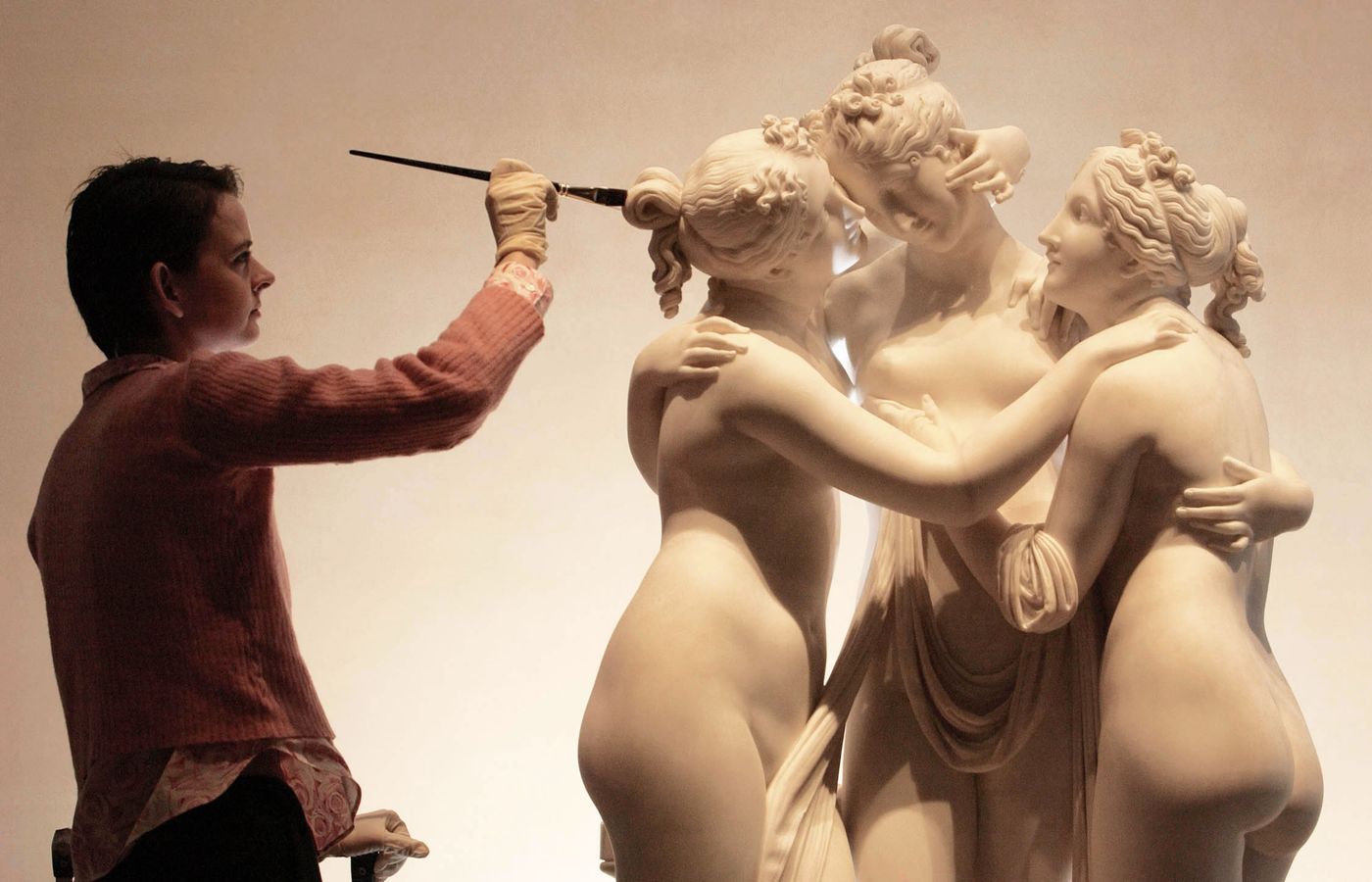
The neoclassical sculptor Antonio Canova (1757-1822) had a lifelong passion for dance. During his early years in Rome, he would often go walking in the hills around the city, or wander through the streets and squares of Trastevere so that he could see the peasant girls dancing. As his friend Antonio d’Este later remembered, he was enchanted by their delighted laughter, joyful innocence and graceful movements. Pulling out his sketchbook, he would make drawing after drawing, before rushing back to his studio to try to reproduce what he had seen, first in terracotta and then in marble.
12:00 PM
The sculptor who created ballets for the soul
the neoclassical sculptor antonio canova (1757-1822) had a lifelong passion for dance. during his early years in rome, he would often go wal...
Alexander Lee

4 min read



Already a subscriber? Sign in
5freearticles every month
Continue reading with a free account. No card needed.
- Five free articles every thirty days, on any device you sign in on
- The Catholic Herald newsletter, every morning
- Subscribe whenever you like for everything: every article and the magazine

subscribe to the catholic herald today
Our best content is exclusively available to our subscribers. Subscribe today and gain instant access to expert analysis, in-depth articles, and thought-provoking insights—anytime, anywhere. Don’t miss out on the conversations that matter most.
Subscribe