February 12, 2026

The staggering heroism of Japan's saints

William Doino Jr
More
Related
Min read
share

The history of the Catholic Church in Japan is one of triumph, tragedy, but above all perseverance.

After St Francis Xavier and his fellow missionaries entered the country in the 1540s, the Church’s efforts were a striking success, bringing in 300,000 converts over the next 60 years. But local leaders resented these dramatic inroads from abroad, and issued a nationwide ban on Christian missionaries – followed by a ruthless campaign of persecution, forcing the faithful to go underground for centuries. (This harrowing story is told in John Dougill’s In Search of Japan’s Hidden Christians: A Story of Suppression, Secrecy and Survival.)
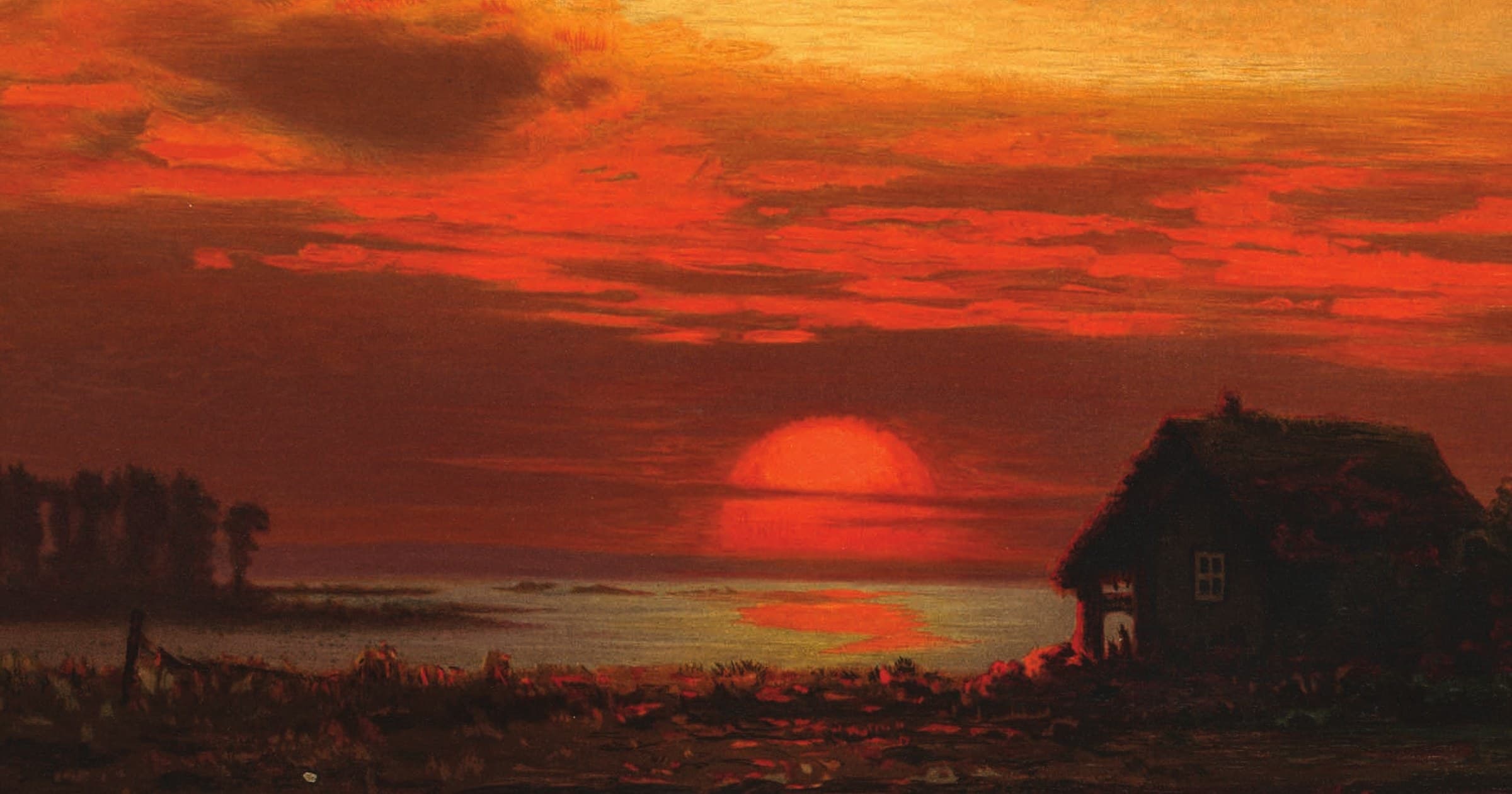
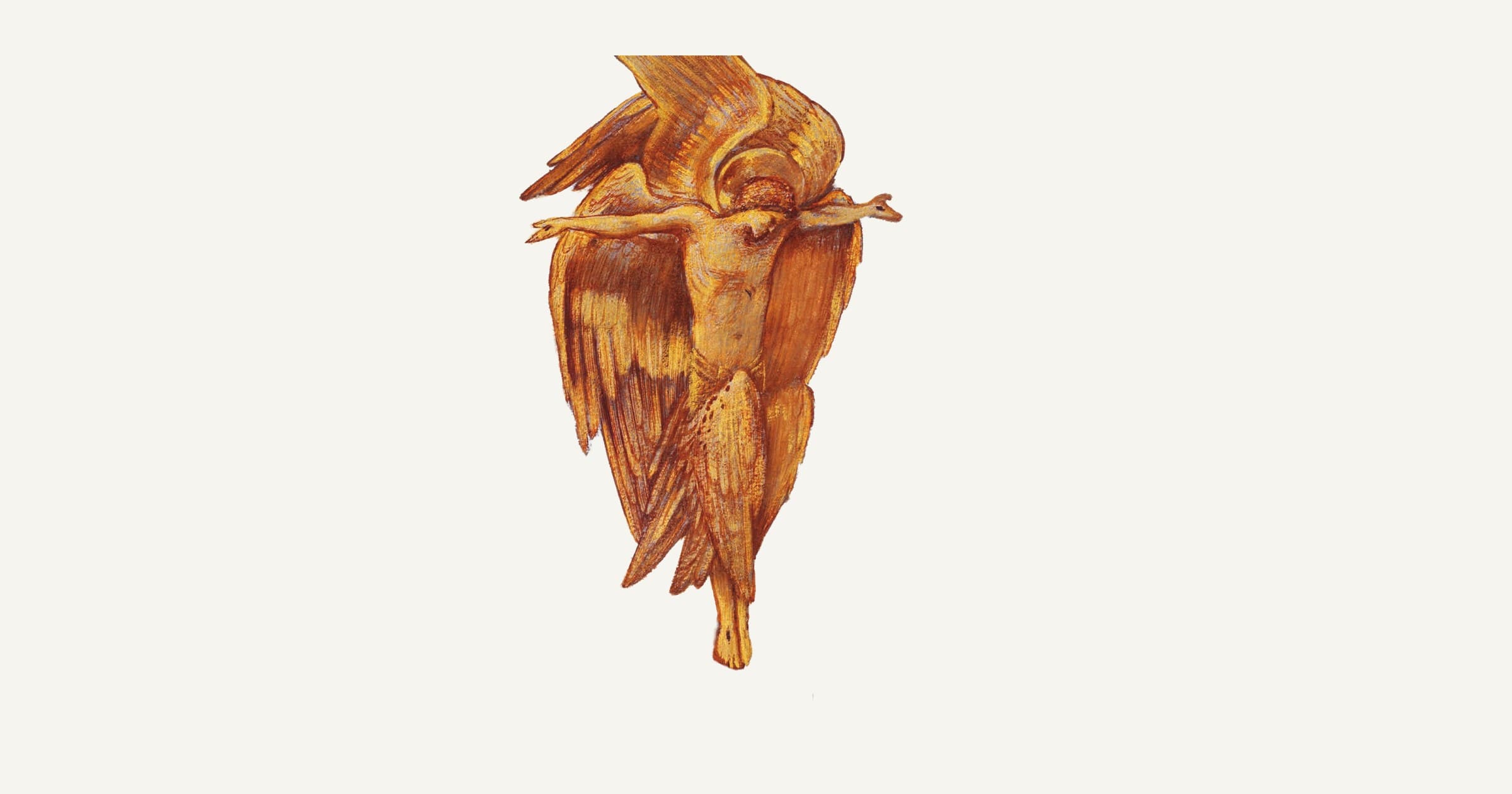
During its nearly 500-year presence, however, Japanese Catholicism has produced many heroic figures, including 40 saints and 200 Blesseds.

Among them was St Magdalene of Nagasaki. Born in the early 17th century, she belonged to a devout Catholic family which paid the ultimate price for its faith: Magdalene’s parents were executed in 1620, when she was not even 10.

Yet the young child responded not with hatred, but love. She grew up to be a catechist and interpreter for the early Augustinian missionaries. Drawn to their spirituality, she became a Third Order Augustinian herself. As the persecutions intensified, Magdalene fled to the hills, where she brought the Gospel to those who didn’t have it, and fortified the faith of those who did. In 1632, the two Augustinians who had been Magdalene’s first spiritual directors were burned at the stake, as were her subsequent ones. Determined to stand with her Catholic mentors, she willingly gave herself over to the authorities, and proclaimed herself a Christian.

After 13 days of unimaginable torture, hanging upside down above a garbage pit, Magdalene died a martyr’s death. Word of her holiness spread. St John Paul II, who both beatified and canonised her, called her a “courageous guardian” of Christ.

Though not a native of Japan, St Domingo Ibáñez de Erquicia also offered tremendous testimony to Christ there.

A Spanish Dominican priest, he entered the country in 1623, when anti-Christian persecution was reaching feverish heights. Constantly on the run, he spent a decade ministering to underground Catholics – offering them hope, reconciling apostates and administering the sacraments in the most dangerous of circumstances. Finally captured in 1633, he refused to renounce his faith, and was tortured and killed. He, too, was canonised by John Paul II.

Perhaps the best-known Japanese saint, canonised by Pope Pius IX, is Paul Miki. Born into a wealthy Japanese family in 1562, he gave up a life of luxury to become a Jesuit and one of the greatest preachers Japan has ever known. Because of his extraordinary success and stature as an evangelist, Japan’s ruler Toyotomi Hideyoshi unleashed his wrath upon Miki and his fellow Catholics. Arrested and jailed, they were forced to march from Kyoto to Nagasaki. Upon arriving, Miki was hung on a cross and slowly crucified, having his chest pierced with a lance.

In spite of these unspeakable torments, Miki forgave his executioners, reminding them that he too was Japanese and imploring them to embrace Jesus Christ. His final words before he died were unforgettable: “Like my master, I shall die upon the cross. Like him, a lance will pierce my heart so that my blood and my love can flow out upon the land and sanctify it to His name.”

As Fr James Kubicki, director of the Apostleship of Prayer, said of Miki’s extraordinary witness: “May we Christians of the 21st century have such courage and love, which as we know comes only from the Sacred Heart of Jesus.”

William Doino Jr is a writer on religion, history and politics and a contributor to First Things and Inside the Vatican 

The history of the Catholic Church in Japan is one of triumph, tragedy, but above all perseverance.

After St Francis Xavier and his fellow missionaries entered the country in the 1540s, the Church’s efforts were a striking success, bringing in 300,000 converts over the next 60 years. But local leaders resented these dramatic inroads from abroad, and issued a nationwide ban on Christian missionaries – followed by a ruthless campaign of persecution, forcing the faithful to go underground for centuries. (This harrowing story is told in John Dougill’s In Search of Japan’s Hidden Christians: A Story of Suppression, Secrecy and Survival.)

During its nearly 500-year presence, however, Japanese Catholicism has produced many heroic figures, including 40 saints and 200 Blesseds.

Among them was St Magdalene of Nagasaki. Born in the early 17th century, she belonged to a devout Catholic family which paid the ultimate price for its faith: Magdalene’s parents were executed in 1620, when she was not even 10.

Yet the young child responded not with hatred, but love. She grew up to be a catechist and interpreter for the early Augustinian missionaries. Drawn to their spirituality, she became a Third Order Augustinian herself. As the persecutions intensified, Magdalene fled to the hills, where she brought the Gospel to those who didn’t have it, and fortified the faith of those who did. In 1632, the two Augustinians who had been Magdalene’s first spiritual directors were burned at the stake, as were her subsequent ones. Determined to stand with her Catholic mentors, she willingly gave herself over to the authorities, and proclaimed herself a Christian.

After 13 days of unimaginable torture, hanging upside down above a garbage pit, Magdalene died a martyr’s death. Word of her holiness spread. St John Paul II, who both beatified and canonised her, called her a “courageous guardian” of Christ.

Though not a native of Japan, St Domingo Ibáñez de Erquicia also offered tremendous testimony to Christ there.

A Spanish Dominican priest, he entered the country in 1623, when anti-Christian persecution was reaching feverish heights. Constantly on the run, he spent a decade ministering to underground Catholics – offering them hope, reconciling apostates and administering the sacraments in the most dangerous of circumstances. Finally captured in 1633, he refused to renounce his faith, and was tortured and killed. He, too, was canonised by John Paul II.

Perhaps the best-known Japanese saint, canonised by Pope Pius IX, is Paul Miki. Born into a wealthy Japanese family in 1562, he gave up a life of luxury to become a Jesuit and one of the greatest preachers Japan has ever known. Because of his extraordinary success and stature as an evangelist, Japan’s ruler Toyotomi Hideyoshi unleashed his wrath upon Miki and his fellow Catholics. Arrested and jailed, they were forced to march from Kyoto to Nagasaki. Upon arriving, Miki was hung on a cross and slowly crucified, having his chest pierced with a lance.

In spite of these unspeakable torments, Miki forgave his executioners, reminding them that he too was Japanese and imploring them to embrace Jesus Christ. His final words before he died were unforgettable: “Like my master, I shall die upon the cross. Like him, a lance will pierce my heart so that my blood and my love can flow out upon the land and sanctify it to His name.”

As Fr James Kubicki, director of the Apostleship of Prayer, said of Miki’s extraordinary witness: “May we Christians of the 21st century have such courage and love, which as we know comes only from the Sacred Heart of Jesus.”

William Doino Jr is a writer on religion, history and politics and a contributor to First Things and Inside the Vatican 

subscribe to
the catholic herald

Continue reading your article with a subscription.
Read 5 articles with our free plan.
Subscribe

subscribe to the catholic herald today

Our best content is exclusively available to our subscribers. Subscribe today and gain instant access to expert analysis, in-depth articles, and thought-provoking insights—anytime, anywhere. Don’t miss out on the conversations that matter most.
Subscribe