



The perennial question of the so-called “war on drugs”, I see, has emerged again, in the form of a debate involving in some way Julian Assange of WikiLeaks fame and Sir Richard Branson, both of whom, it seems, are in favour of liberalising our drugs laws. Before the subject goes underground yet again (which it really shouldn’t; it’s an important and, because of Afghanistan, an urgent question) I seize this opportunity of saying that despite the fact that I find both these luminaries deeply irritating, and despite the fact that I am a fully paid-up traditionalist (and from time to time unashamed reactionary), I entirely agree with them both on this if on nothing else. We sometimes hear that the war in Afghanistan is “unwinnable"; I’m not sure about that: but I am certain, and have been for years, that the “war on drugs” is both unwinnable and massively counter-productive. The facts are there for anyone to see. The more difficult it gets to smuggle in drugs, the higher their price rises, and the more profitable it becomes to smuggle them in. That’s why a free trade conservative like the economist Milton Friedman was in favour of the legalisation of the possession of hard drugs: current restrictions were for him a classic illustration of the need for the free market. By waging war on the illegal supply of drugs, vastly raising their scarcity and therefore their profitability, we had created the massive wealth of the Colombian drugs barons and corrupted the politics of a whole nation and those surrounding it. Heroin is a cheap drug to produce: if we decriminalised possession of it, supplying it (and other addictive drugs) to addicts free of charge on the NHS as part of a programme of treatment, not only would we seriously address the problem of addiction, we would undermine the illegal drugs market, dealing a blow against burglary and violent crime, at least half of which, according to some estimates, is directly drug-related (an addict will steal from his own mother). Afghanistan provides a vivid illustration of this phenomenon on a vast scale. Here, the drugs barons are the Taliban, whose powerful military capacity is largely funded by the illegal poppy crop (which has also deeply corrupted the government of Hamid Karzai). All this could be dealt with by legalising the crop, thus solving the problem of a worldwide shortage of pharmaceutical morphine, under a scheme which has the most respectable origins. Take a look at this from the Chemistry World website:
11:30 AM
The 'war on drugs' is the problem, not the solution. It never made sense: now we have the proof
Legalising drugs reduces both crime and addiction
William Oddie

7 min read



Already a subscriber? Sign in
5freearticles every month
Continue reading with a free account. No card needed.
- Five free articles every thirty days, on any device you sign in on
- The Catholic Herald newsletter, every morning
- Subscribe whenever you like for everything: every article and the magazine
Related articles
 Newsroom
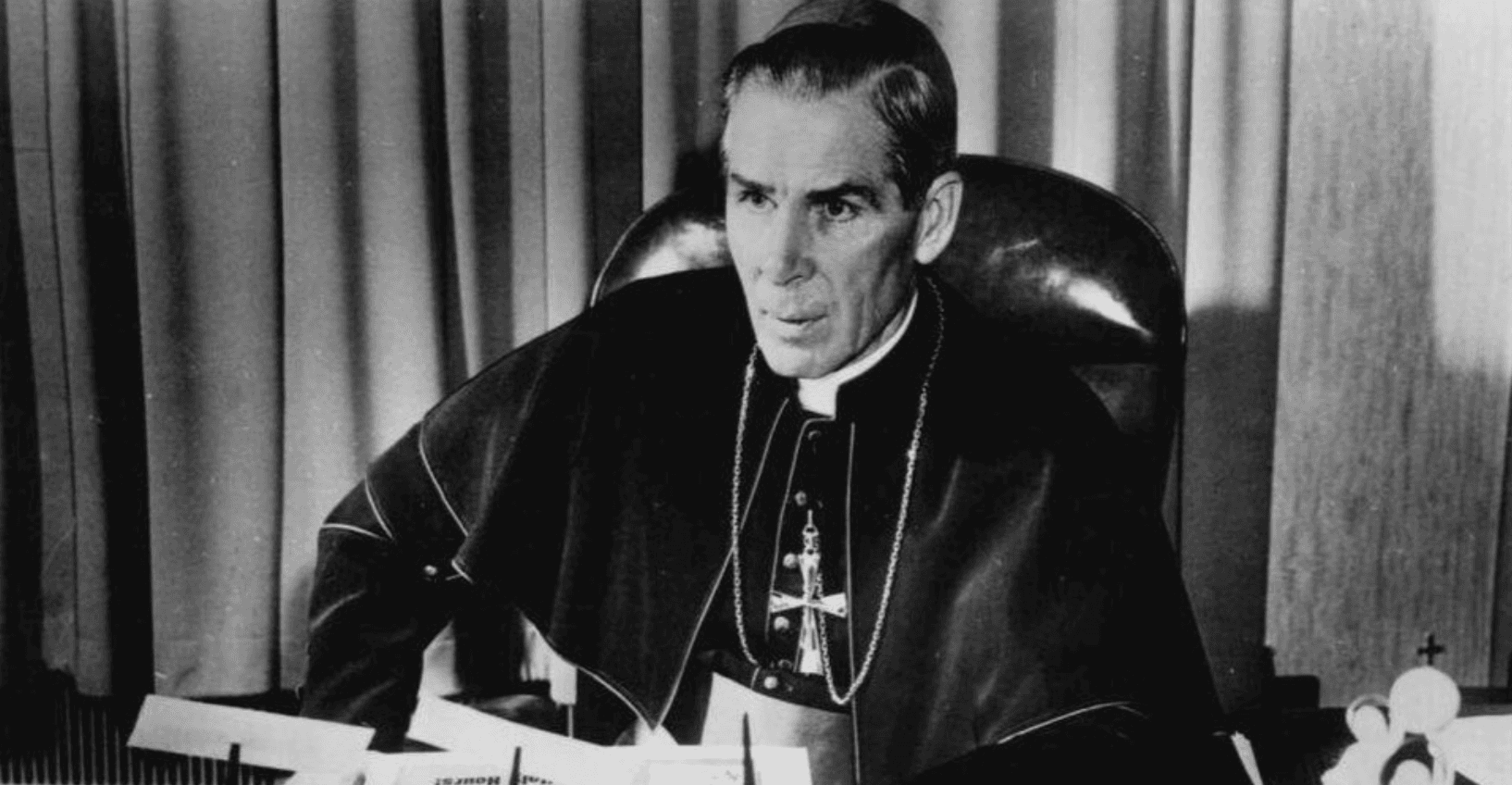
First parish named for Bl Fulton Sheen established in Illinois
Bishop Louis Tylka of Peoria announced the new Blessed Fulton Sheen Parish two days after Sheen became the first American-born bishop to be beatified
Christine Rousselle Newsroom
Injured priest tells Poles: ‘Do not blame Ukraine’ for convent attack
Corrie Douglas-Young Newsroom
Church leaders urge Drumcree dialogue: ‘Too much is at stake’
Corrie Douglas-Young Newsroom
Thousands of Irish children to join global Rosary campaign
Corrie Douglas-Young Newsroom
TikTok priest urges young people to stand with persecuted Christians
Nathalie Raffray
subscribe to the catholic herald today
Our best content is exclusively available to our subscribers. Subscribe today and gain instant access to expert analysis, in-depth articles, and thought-provoking insights—anytime, anywhere. Don’t miss out on the conversations that matter most.
Subscribe



