
The coming week will see developments on assisted suicide in Britain and Illinois, the aftermath of Archbishop Gallagher’s Moscow visit and the expected verdict in the Lindsay Clancy trial.
Assisted suicide
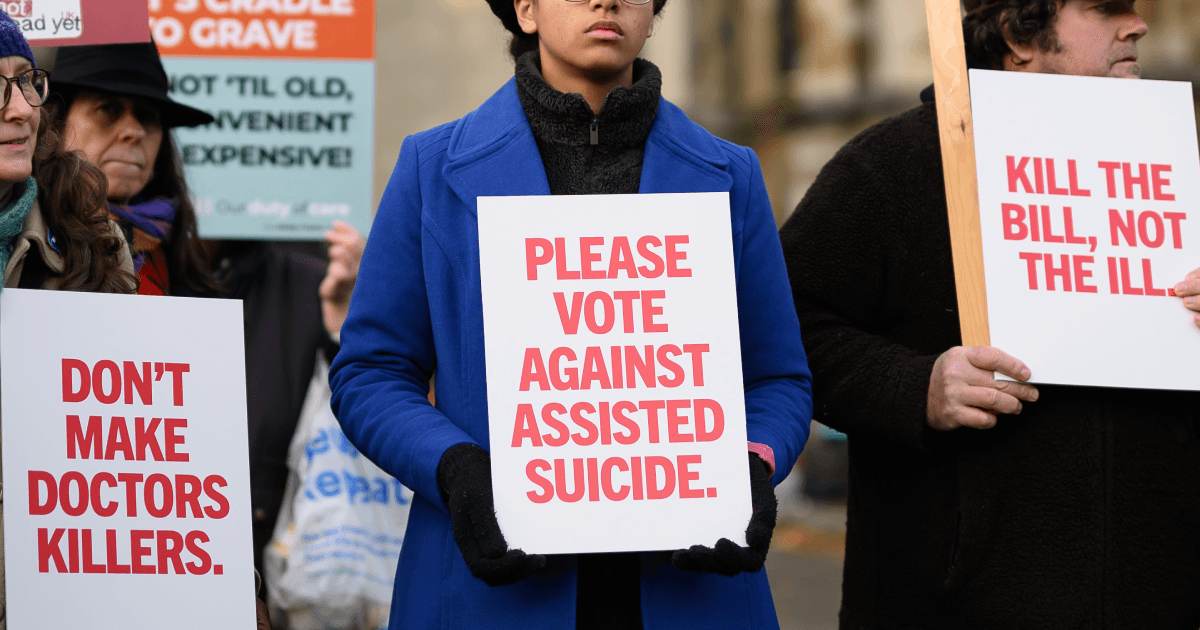
It is now less than two weeks until the second reading and vote on the Terminally Ill Adults (End of Life) Bill, which would permit eligible terminally ill adults in England and Wales to receive assistance to end their lives. The vote will be held on September 11 and has seen a widespread determination by the Church in England and Wales to encourage Catholics to contact their local MPs to express their desire to see the Bill fall.
Another consequence of the debate surrounding assisted suicide has been the spotlight it has placed on the lack of funding for palliative care, which the Prime Minister and a number of bishops have emphasised as the root of the issue. If we do see the vote fail, it is possible that those seeking to provide adequate end-of-life care will be able to call attention to what is needed to achieve it.
Stateside, Illinois is gearing up for legal assisted suicide. The state’s law comes into force on September 12, but certain Catholic organisations have already been exempted from the law while their lawsuit challenging it goes through the court system.
Archbishop Gallagher in Moscow
Archbishop Paul Gallagher has concluded his week-long diplomatic mission to Moscow. The standout moment, for many, was at the press conference which followed his meeting with Russian Foreign Minister Sergey Lavrov. Speaking next to Lavrov, the archbishop said that the war in Ukraine “must end” and that the conflict “cannot be resolved by military means”.
The visit was the first by Archbishop Gallagher since the Russian invasion, and coincided with Ukrainian Independence Day. It also came amidst fears of escalation within Ukraine via a potential conscription wave by Russia, as well as concerns that Moscow could make incursions in some form into NATO territory – rumours of which were heightened by CIA director John Ratcliffe’s unannounced visit to the capital last week.
It could very well be that if the threat of escalation is indeed significant, global actors will be increasing their efforts to prevent that reality – not least among them the Church.
FSSP pilgrimage to Knock
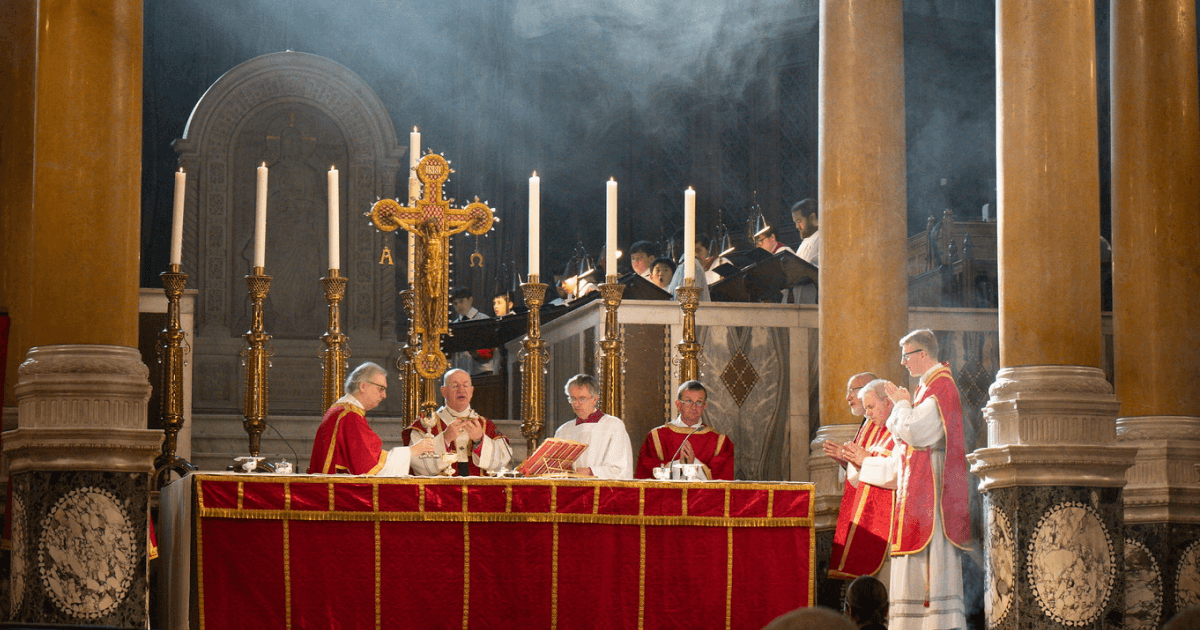
The Priestly Fraternity of St Peter (FSSP) pilgrimage to Knock will take place this week on September 5. At 2pm, the Traditional Latin Mass will be celebrated in the Blessed Sacrament Chapel, followed by the Stations of the Cross and Benediction of the Blessed Sacrament.
Lindsay Clancy trial
In the United States, the biggest story dominating the airwaves is the Lindsay Clancy trial. Clancy is charged with first-degree murder for the deaths of her three children – Cora, 5; Dawson, 3; and Callan, 8 months – in January 2023. Legally, her guilt is not in question; rather, the trial is concerning her mental state at the time of the murders. Clancy claims she killed her children while in the throes of postpartum psychosis.
The jury has been deliberating for two days, and a verdict is expected this coming week. Clancy can be found not guilty by lack of criminal responsibility and sentenced to a psychiatric facility, or guilty. If she is found guilty, she faces a mandatory sentence of life in prison without the possibility of parole.
Birthright citizenship
Birthright citizenship will also likely be in the news this week. On Friday, a judge declined to block President Donald Trump’s latest executive order, although she did express doubts that it was constitutional.
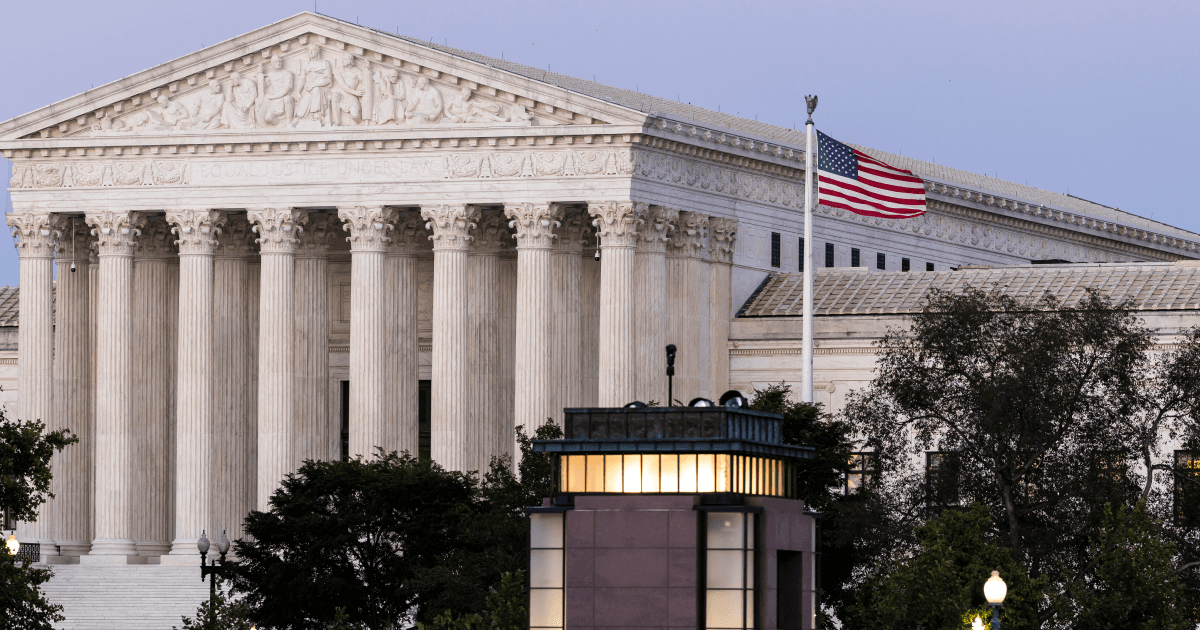
The Supreme Court had previously rejected a past attempt from the Trump administration to tighten eligibility for who can automatically become a US citizen at birth.