




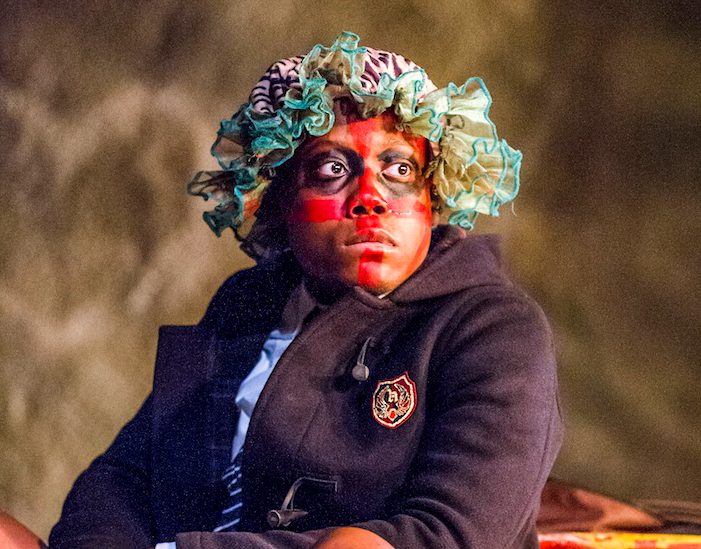
Simon Stephens’s Herons had a critical success when it premiered at the Royal Court Theatre in 2001. Memories of the trial of two 10-year-old boys who abducted, tortured and murdered a two-year-old boy were still fresh then. Fifteen years on, children are still killing each other; but the play, in Sean Holmes’s revival at Lyric, Hammersmith, no longer has the same impact. Stephens takes a look at the miserable lives of working-class people living on bleak, inner-city estates. Children aren’t allowed to be children any more. Billy (Max Gill), 14, is horribly abused by Scott (Billy Matthews), an unpleasant 15-year-old, because Billy’s dad had witnessed a murder committed by Scott’s elder brother and reported it to the police. Teenage bullying and violence begets more teenage bullying and violence. It might be acceptable to have documentary footage of monkeys in the jungle before the play proper begins; but to show the same wildlife loop over and over again throughout the performance is merely distracting. The monkeys upstage the young actors. Eddie Izzard, master surreal conversationalist, is at Palace Theatre. He’s been around the world these past three years with his one-man show, Force Majeure Reloaded, visiting 28 countries and performing his absurdist ramblings in four languages – English, French, German and Spanish. “Humour,” he says, “knows no nationalist borders.” At 53, with his red nail varnish and Cuban heels, Izzard remains his boyish, agile, discursive, digressive, charming, atheist self. He riffs and improvises. I have known him funnier and his flights of fancy far greater. His stream of consciousness material includes Julius Caesar being stabbed, Richard the Lionheart speaking in French, Martin Luther nailing 39 theses to the church door and Henry V with a high-pitched voice failing to persuade his troops to advance unto the breach. Chris Urch’s extremely well-acted The Rolling Stone at Orange Tree Theatre, Richmond, takes its title from a former newspaper in Kampala, Uganda, which, in 2010, published the names, pictures and addresses of men and women it claimed were homosexual and said they should be hanged. The publication led to a witch hunt. Urch concentrates on one family. An 18-year-old Ugandan (Fiston Barek) is in a relationship with a young doctor of mixed race (Julian Moore-Cook), who was brought up in Northern Ireland and who has returned home. The relationship puts not only themselves in danger but his family as well. Those who do not report the homosexual members in their families to the police are also liable to go to prison. Sule Rimi, as a newly elected pastor and elder brother to the 18-year-old, preaches fire-and-brimstone sermons which are quite terrifying in their homophobic hatred. Peter Quilter’s 4,000 Days at Park Theatre, Finsbury, is never as interesting as its premise. A patient in hospital wakes from a coma to find he has no recollection of the past 11 years: he thinks it is still 2005. His mother (Maggie Ollerenshaw) is delighted he no longer recognises his partner (nicely understated by Daniel Weyman). Sadly, nothing dramatic happens. The dialogue plods along and the actors plod along with it. The patient is played by stand-up comedian Alistair McGowan.
12:00 PM
Theatre: Inner-city youth are upstaged by wildlife
Robert Tanitch

3 min read



Already a subscriber? Sign in
5freearticles every month
Continue reading with a free account. No card needed.
- Five free articles every thirty days, on any device you sign in on
- The Catholic Herald newsletter, every morning
- Subscribe whenever you like for everything: every article and the magazine
Related articles
 Newsroom
Church leaders urge Drumcree dialogue: ‘Too much is at stake’
The Catholic and Church of Ireland Archbishops of Armagh have urged a renewed commitment to peace and reconciliation amid the Drumcree stand-off
Corrie Douglas-Young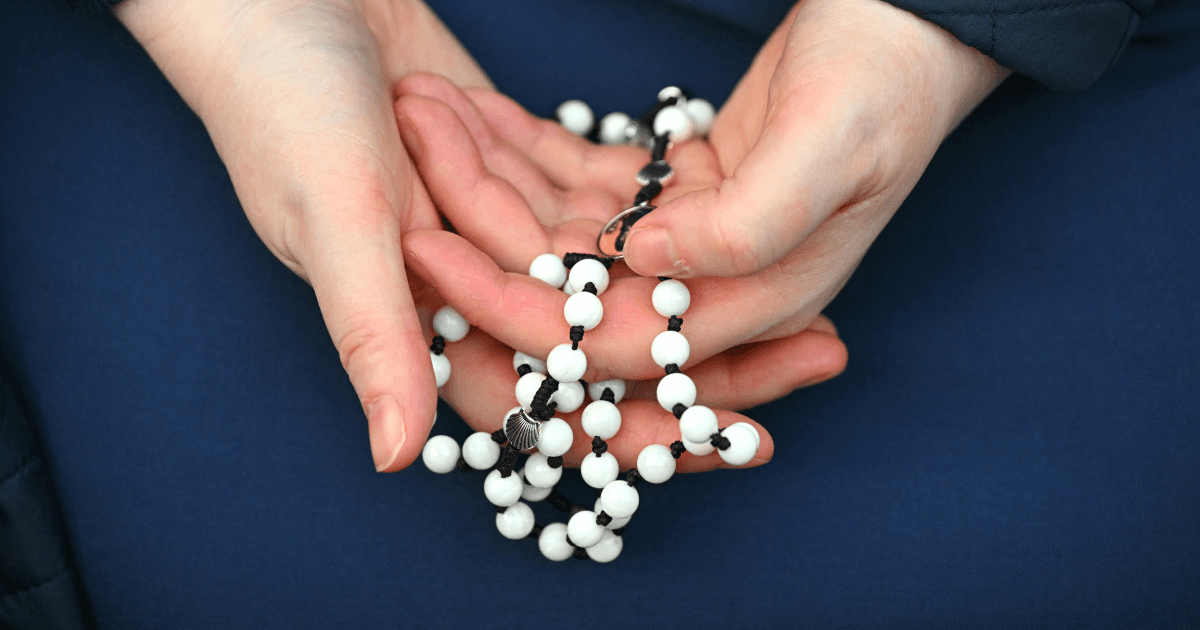 Newsroom
Thousands of Irish children to join global Rosary campaign
Corrie Douglas-Young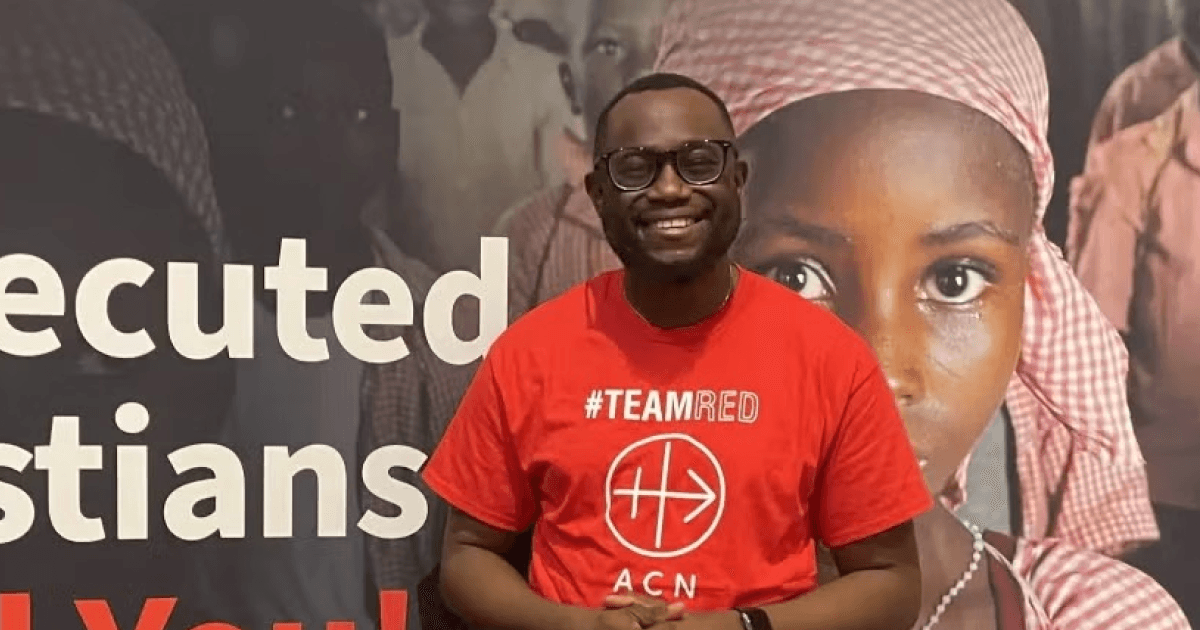 Newsroom
TikTok priest urges young people to stand with persecuted Christians
Nathalie Raffray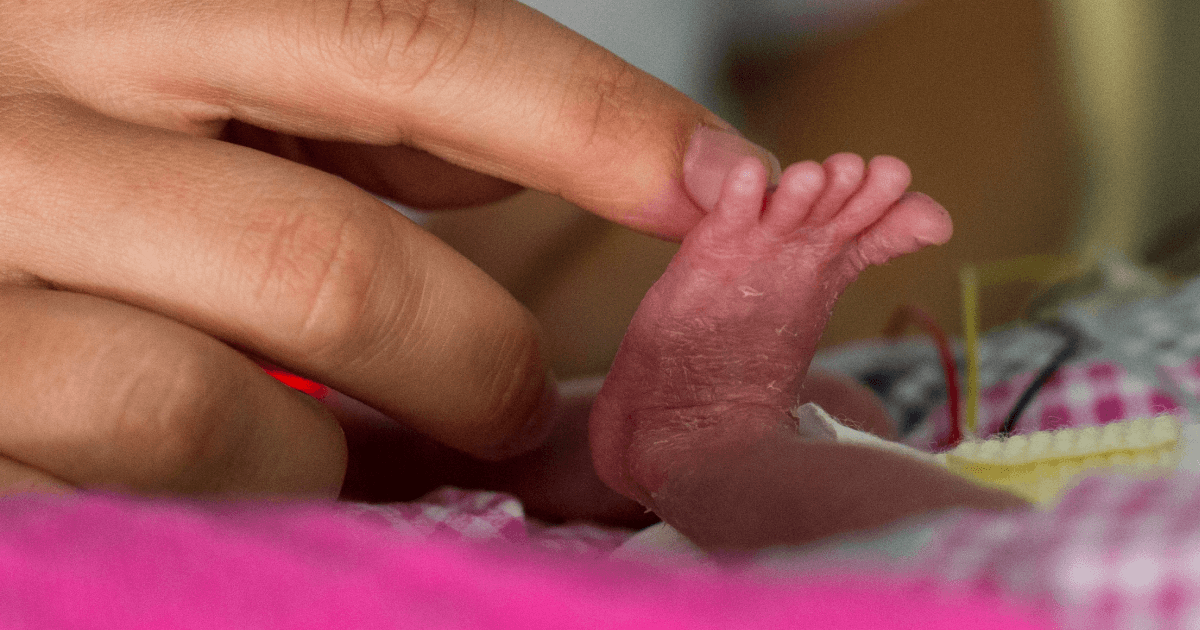 Newsroom
Baby born at 25 weeks reunites with neonatologist two years after leaving hospital
The Catholic Herald Newsroom
Joe Biden honoured by Planned Parenthood after defending abortion rights
Christine Rousselle
subscribe to the catholic herald today
Our best content is exclusively available to our subscribers. Subscribe today and gain instant access to expert analysis, in-depth articles, and thought-provoking insights—anytime, anywhere. Don’t miss out on the conversations that matter most.
Subscribe



