




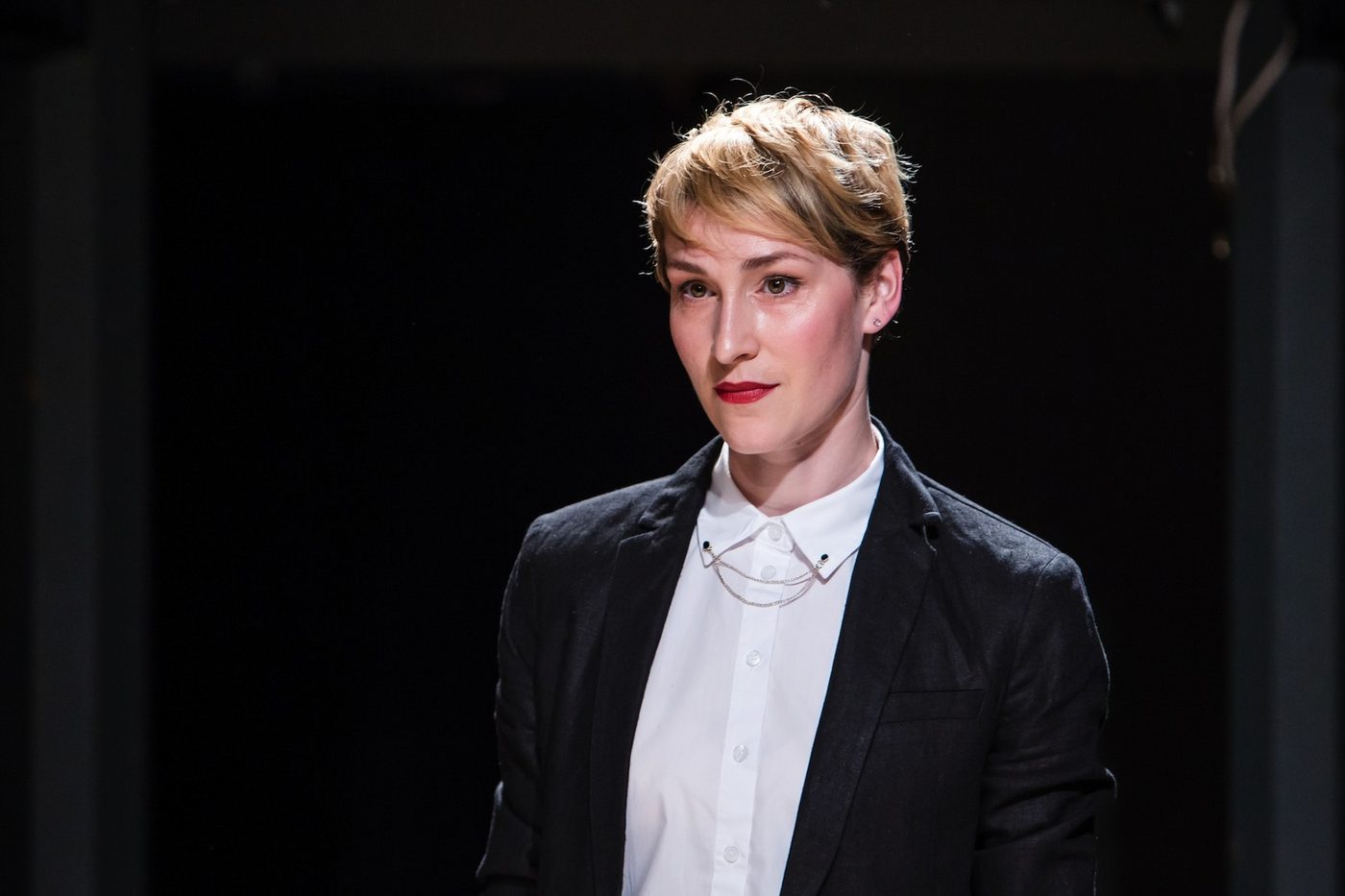
The Philanderer, one of George Bernard Shaw’s earliest comedies, a cynical, heartless, semi-autobiographical piece, was written in 1893 when its satire on Ibsen and the New Woman was topical. Artistic director Paul Miller at the Orange Tree Theatre in Richmond stages this four-act version, which Shaw was persuaded to cut at the very first production. The opening scene is based on what actually occurred to Shaw on February 4, 1893. Jenny Patterson, Shaw’s discarded mistress, burst in on him and the actress Florence Farr while they were enjoying the hurly-burly of the chaise longue. “I did not pursue women,” complained Shaw. “I was pursued by them.” The philanderer is Leonard Charteris (Rupert Young, a charmer), who finds the fickleness of the women he loves only equalled by the infernal constancy of the women who love him. He argues his case for philandering and escapes the clutches of a habitual and intolerably jealous termagant (Dorothea Myer-Bennett) by expediently marrying her off to a friend, Dr Paramore (Christopher Staines). For those who complain that Shaw is too wordy, Shaw has this to say: “It is quite true that my plays are all talk, just as Raphael’s pictures are all paint. Michelangelo’s statues are all marble. Beethoven’s symphonies are all noise.” There are also some good jokes at the expense of the medical profession. The Philanderer is very enjoyable. My main regret is that Miller hasn’t kept the original Victorian setting. What Shaw has to say on sex, marriage (“that worst of blundering abominations”) and indeed divorce is much more daring when it is set in 1893 than when it is set in the 21st century. Howard Brenton, in his interesting new play Lawrence After Arabia at Hampstead Theatre, takes up the story after the Arab Revolt (1916-1918). The Arabs had fought on the understanding they would be granted independence. The Brits and the French reneged on their promise and carved up the Middle East. We are still living with the consequences. Lawrence played a major role in the fighting, working for the Arabs (comrade in arms with Prince Feisal) while at the same time working for British intelligence (spying for General Allenby). Riddled with guilt for betraying the Arabs, he felt he deserved to be whipped to death. Brenton discusses frankly whether what he said happened to him in prison, when he was captured by the Turkish soldiers, is truth or fantasy. He found fame difficult and once the war was over he didn’t want to be Lawrence of Arabia any more. He wanted anonymity and took refuge with George Bernard Shaw and his wife, and hid from the press in their home in the Hertfordshire village of Ayot St Lawrence. Brenton is well served by the actors in John Dove’s production. Jack Laskey is Lawrence, Jeff Rawle and Geraldine James are the Shaws and William Chubb is Allenby. American playwright Steven Dietz’s Last of the Boys at Southwark Playhouse is about the legacy of the Vietnam War for those who survived and those who lost loved ones; but a play about the Vietnam War does not have the instant resonance for British theatre-goers that it has for American audiences, and this one is not good enough for export.
12:00 PM
Theatre: Shaw’s not so daring in a modern setting
Robert Tanitch

3 min read



Already a subscriber? Sign in
5freearticles every month
Continue reading with a free account. No card needed.
- Five free articles every thirty days, on any device you sign in on
- The Catholic Herald newsletter, every morning
- Subscribe whenever you like for everything: every article and the magazine
Related articles
 Newsroom
Injured priest tells Poles: ‘Do not blame Ukraine’ for convent attack
Fr Adrian Mantykiewicz, who was injured in the attack that killed a fellow priest, has urged Catholics to pray for the assailant and not blame Ukrainians for his actions
Corrie Douglas-Young Newsroom
Church leaders urge Drumcree dialogue: ‘Too much is at stake’
Corrie Douglas-Young Newsroom
Thousands of Irish children to join global Rosary campaign
Corrie Douglas-Young Newsroom
TikTok priest urges young people to stand with persecuted Christians
Nathalie Raffray Newsroom
Baby born at 25 weeks reunites with neonatologist two years after leaving hospital
The Catholic Herald
subscribe to the catholic herald today
Our best content is exclusively available to our subscribers. Subscribe today and gain instant access to expert analysis, in-depth articles, and thought-provoking insights—anytime, anywhere. Don’t miss out on the conversations that matter most.
Subscribe



