




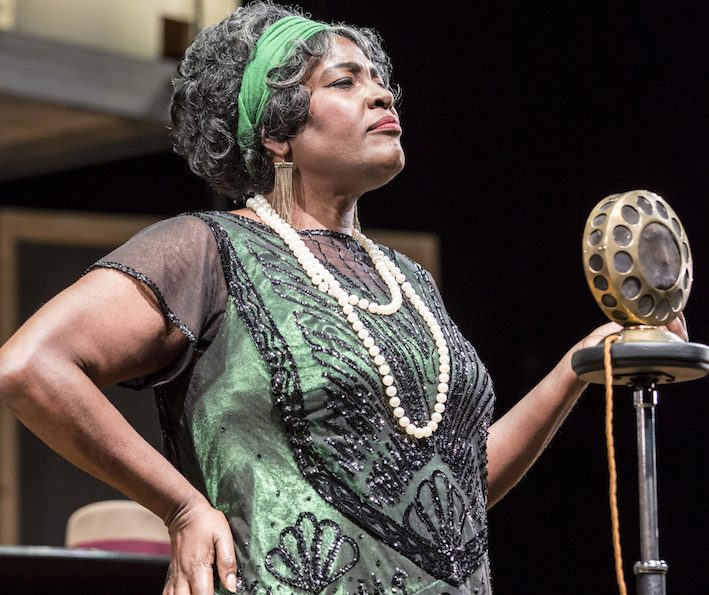
August Wilson is one of the great American playwrights of the 20th century, up there with Eugene O’Neill, Tennessee Williams and Arthur Miller. Ma Rainey’s Black Bottom, set in the 1920s, is part of his “Pittsburgh” cycle, consisting of 10 plays, one for each decade, charting the black experience in 20th-century America. Ma Rainey and her band have come to a Chicago studio to record Black Bottom. The white record company wants her to sing an updated jazzy version, aimed at a white market. Ma Rainey, the most popular blues singer of her day, wants to sing her version and behaves like a prima donna. But the play is as much about the members of the band as her, and Wilson concentrates not only on the friction between them but also on their experiences of racism. There will be many people, coming out of Dominic Cooke’s production at the National Theatre, hoping that somebody will be brave enough to stage all 10 plays as a cycle. Casting would not be a problem. There’s plenty of black talent out there and this particular ensemble, led by Lucian Msamati, Sharon C Clarke and OT Fagbenle, is exemplary. Robert Icke’s ugly modern-dress production at Almeida doesn’t look or sound like Chekhov’s Uncle Vanya. The slowly revolving set is not good for sightlines and three short intervals aren’t helpful for either the play or the audience. Icke is not the first director to take Chekhov out of its familiar turn-of-the-century Russian setting. But the play works best when it is set in the 1890s and in provincial Russia, miles away from Moscow. Time has run out for all the characters and they bitterly regret the mediocrity, the banality and the tastelessness of their lives. The dramatic high spot, as always, is when Vanya reacts to the professor’s proposal that they should sell the estate which he has managed for 25 years without financial reward or thanks. Vanya’s outburst is one of theatre’s great scenes and Paul Rhys rises to it magnificently, taking out his anger and frustration on a bunch of flowers he had intended to give to the woman he adored. Peter Brook has said that “in order to make good contemporary theatre, one must always look for a subject which concerns everybody”. Battlefields at Young Vic is a 65-minute extract from his legendary production of the Mahabharata and is about war and mortality. It is played on a bare stage by four actors and a Japanese drummer. I particularly enjoyed the fables. Matthew Perry, best known for his performance in the TV series Friends, has written his first play The End of Longing. Staged at The Playhouse, it feels like a pilot for another TV series. Perry has loads of charm and knows how to deliver the one-liners. His fans will no doubt be delighted; regular theatregoers will want something more worthwhile. The chief character in Robert Askins’s Hand to God at Vaudeville Theatre is a foul-mouthed glove puppet who takes possession of a teenager. I recommend you give it a wide berth. It’s a really bad American play: puerile, blasphemous, crude and singularly unfunny.
12:00 PM
Theatre: Why August Wilson rivals Arthur Miller
Robert Tanitch

3 min read



Already a subscriber? Sign in
5freearticles every month
Continue reading with a free account. No card needed.
- Five free articles every thirty days, on any device you sign in on
- The Catholic Herald newsletter, every morning
- Subscribe whenever you like for everything: every article and the magazine
Related articles
 Newsroom
Church leaders urge Drumcree dialogue: ‘Too much is at stake’
The Catholic and Church of Ireland Archbishops of Armagh have urged a renewed commitment to peace and reconciliation amid the Drumcree stand-off
Corrie Douglas-Young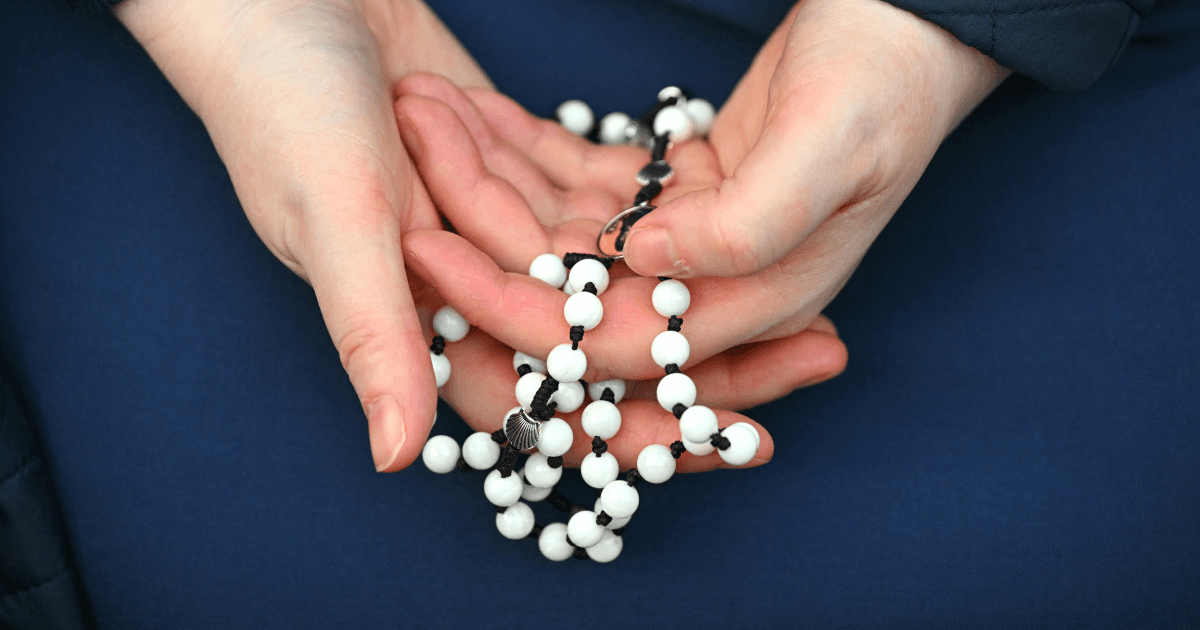 Newsroom
Thousands of Irish children to join global Rosary campaign
Corrie Douglas-Young Newsroom
TikTok priest urges young people to stand with persecuted Christians
Nathalie Raffray Newsroom
Baby born at 25 weeks reunites with neonatologist two years after leaving hospital
The Catholic Herald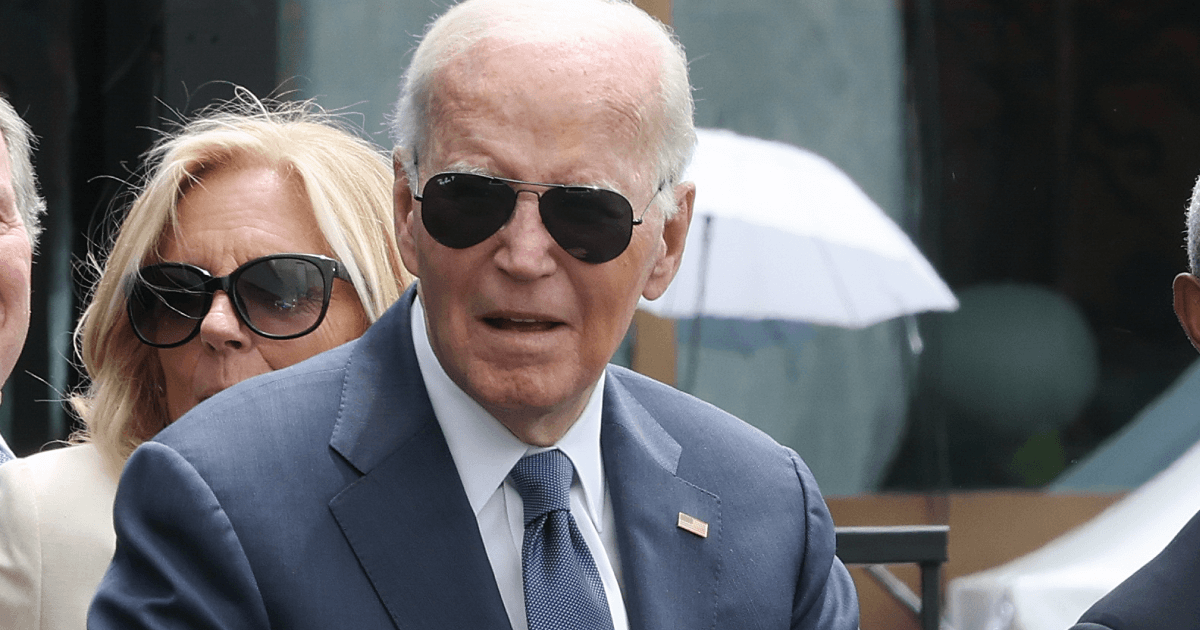 Newsroom
Joe Biden honoured by Planned Parenthood after defending abortion rights
Christine Rousselle
subscribe to the catholic herald today
Our best content is exclusively available to our subscribers. Subscribe today and gain instant access to expert analysis, in-depth articles, and thought-provoking insights—anytime, anywhere. Don’t miss out on the conversations that matter most.
Subscribe



