


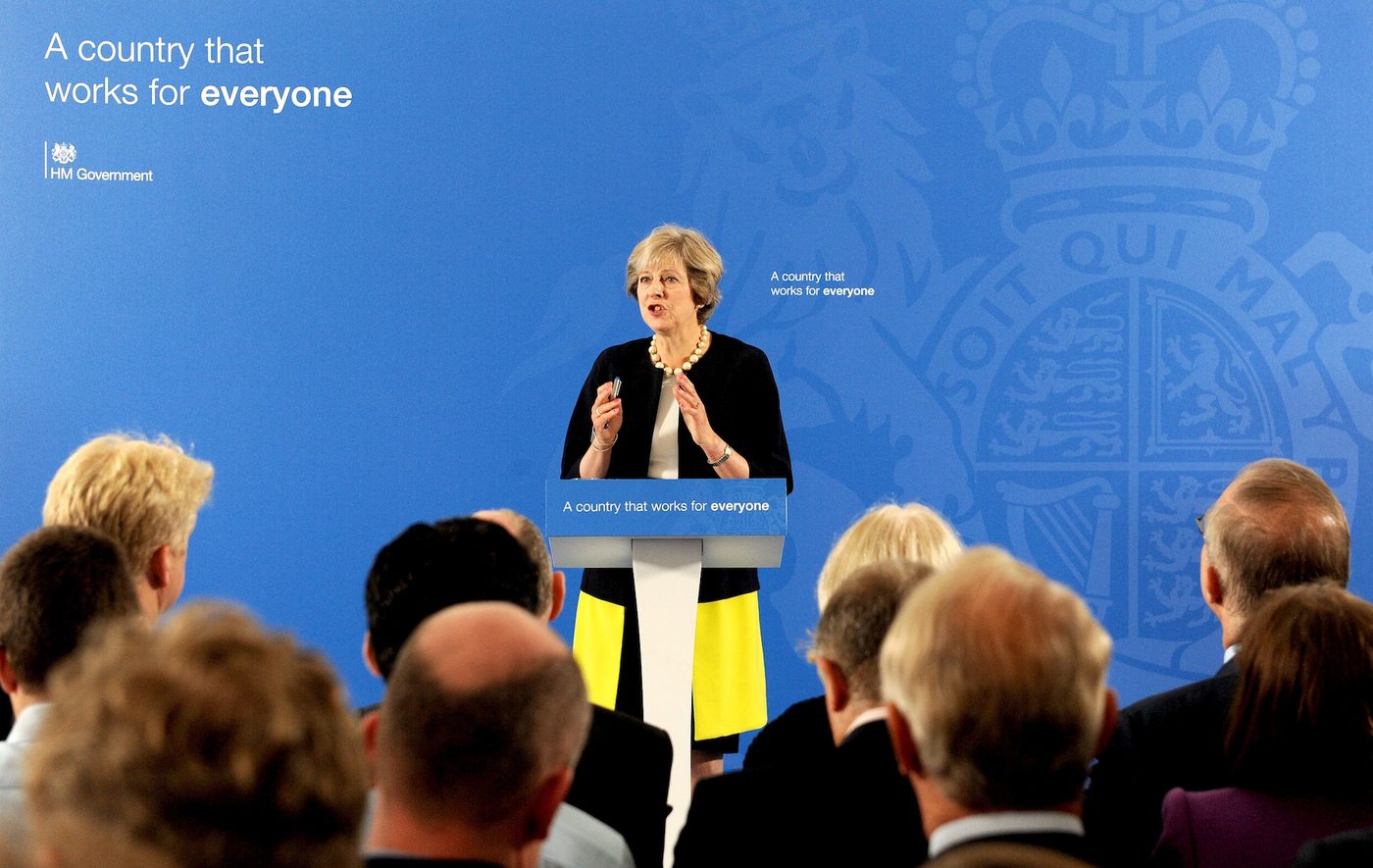
I benefited thoroughly in my state education from the Protestant English Reformation, attending a King Edward VI Grammar School under the 11-plus system, and Trinity College, Cambridge, founded by Henry VIII in 1546 after the confiscation of Church lands. Yet I am also an English Catholic, and now teach Religious Studies in a Catholic school, providing the one perhaps essential element so palpably lacking in my own education: an understanding of the Catholic faith. Something I have found deeply puzzling in my years as a teacher is why there are so few Catholic grammar schools, currently six out of 163 grammars in total, all of them founded by religious orders. These would seem to offer in theory a tremendous combination of academic rigour and, as an extension of the Church, a sacramental practice and intellectual comprehension of Catholicism for those academically able pupils who are also Catholic. (I should say in passing that I regard 11 as rather too young to determine genuine interest and ability in academic pursuits; 13 is a much better age to gauge some of this.) Yet there seems to be an ideological objection at work in the Catholic Church in this country to the very idea of selection of any kind in education, whether indirectly by money or directly by academic ability. According to this view, selection seems to contradict the very idea of being Catholic – interpreted as an inclusive concern for all, a solidarity with the poor, a valuing of every human person made in the image of God, a concern for the common good in which no one group’s interests are paramount. Grammar schools are unspokenly perceived as socially divisive and, for a Catholic, an undesirable element, undermining the common good, social cohesion and equality of opportunity. It is certainly true that admitting a majority of children from wealthier families "runs the risk of being a counter-witness" (The Catholic School, para. 58). Yet why should this apply straightforwardly to grammar schools? It is an error to think that Catholic social teaching points to comprehensive schools at the expense of grammar schools; it is an error to think that selective education on academic merit is somehow anti-Catholic; it is an error not to support the opening of many more Catholic grammars if that were to be a possibility under Theresa May’s premiership. For there is absolutely nothing explicit in official Catholic social teaching to support comprehensive education, or prevent the support of Catholic grammar schools. Scour the Compendium of the Social Teaching of the Church and you will draw a blank on this issue. Scour the documents of the Vatican Congregation for Education and you will draw a blank. As with all ideologies, the ideology of comprehensive education has a tight and deep grip. Yet everything at work here is by implication, and the implications have perhaps been erroneously drawn. What, for example, do the defenders of comprehensive state education make of these startling thoughts in paragraph 241 of the Compendium?: "Whenever the State lays claim to an educational monopoly it oversteps its rights and offends justice...The State cannot without injustice merely tolerate so-called private schools. Such schools render a public service and therefore have a right to financial assistance." The main point in this document and many others is that parents are the first and foremost educators, and they have the right and duty to impart a religious and moral education, which can be delivered just as well through a grammar school as a comprehensive.
2:20 PM
The Catholic case for grammar schools
Some think that selection contradicts the very idea of being Catholic. This is why they are wrong
Hugh Walters

6 min read



Already a subscriber? Sign in
5freearticles every month
Continue reading with a free account. No card needed.
- Five free articles every thirty days, on any device you sign in on
- The Catholic Herald newsletter, every morning
- Subscribe whenever you like for everything: every article and the magazine
Related articles
 Newsroom
Church leaders urge Drumcree dialogue: ‘Too much is at stake’
The Catholic and Church of Ireland Archbishops of Armagh have urged a renewed commitment to peace and reconciliation amid the Drumcree stand-off
Corrie Douglas-Young Newsroom
Thousands of Irish children to join global Rosary campaign
Corrie Douglas-Young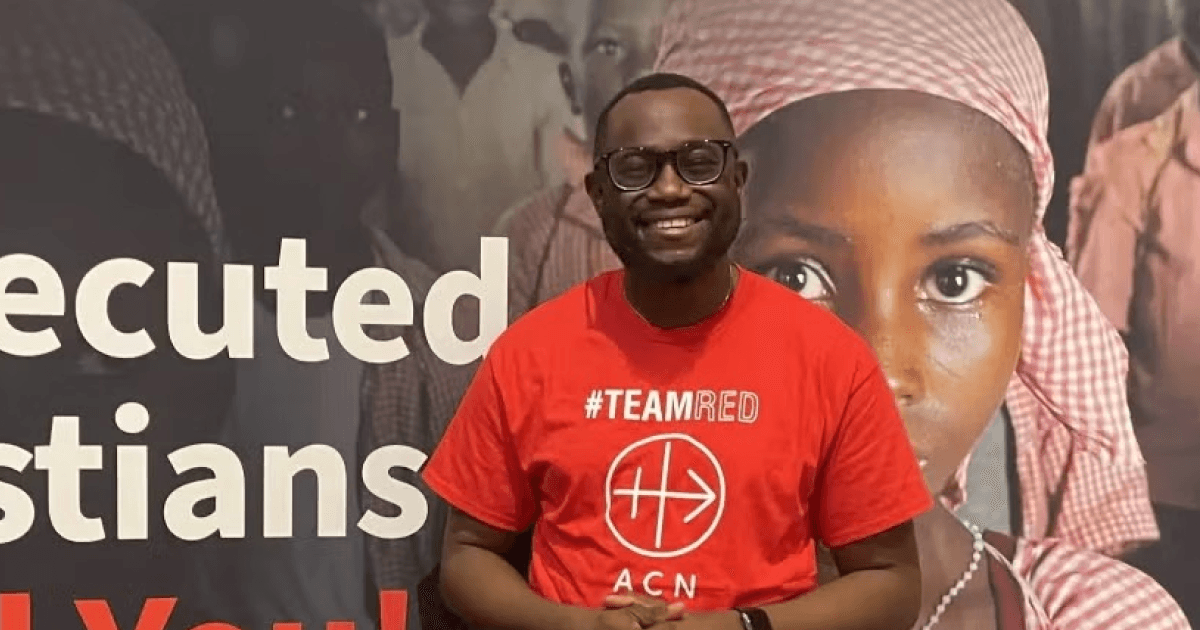 Newsroom
TikTok priest urges young people to stand with persecuted Christians
Nathalie Raffray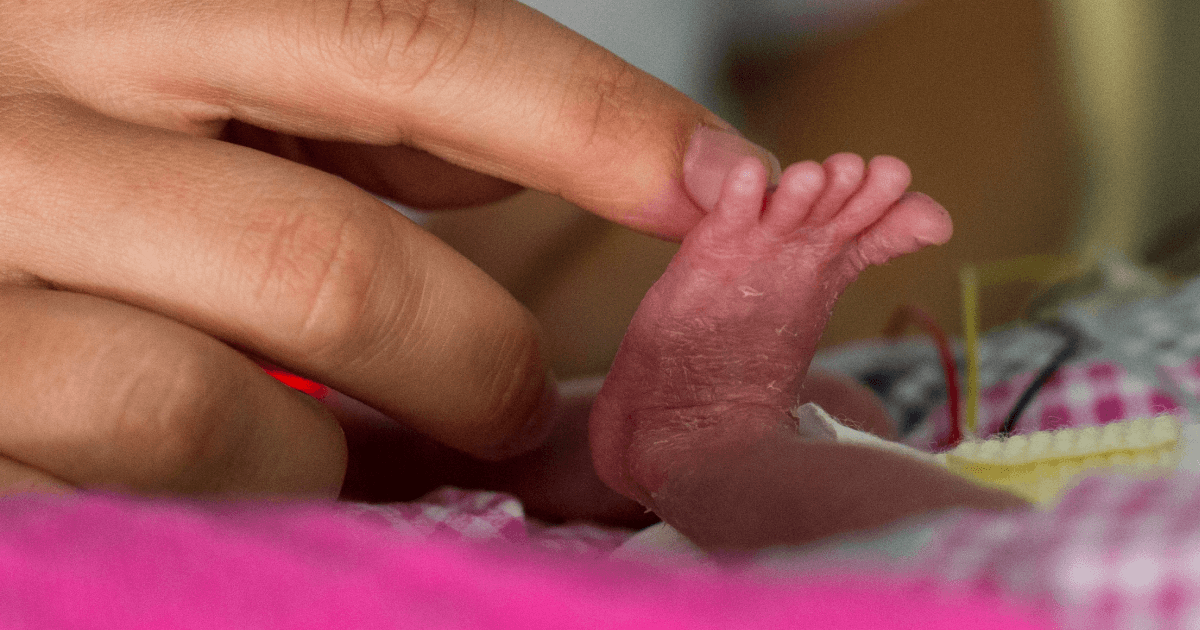 Newsroom
Baby born at 25 weeks reunites with neonatologist two years after leaving hospital
The Catholic Herald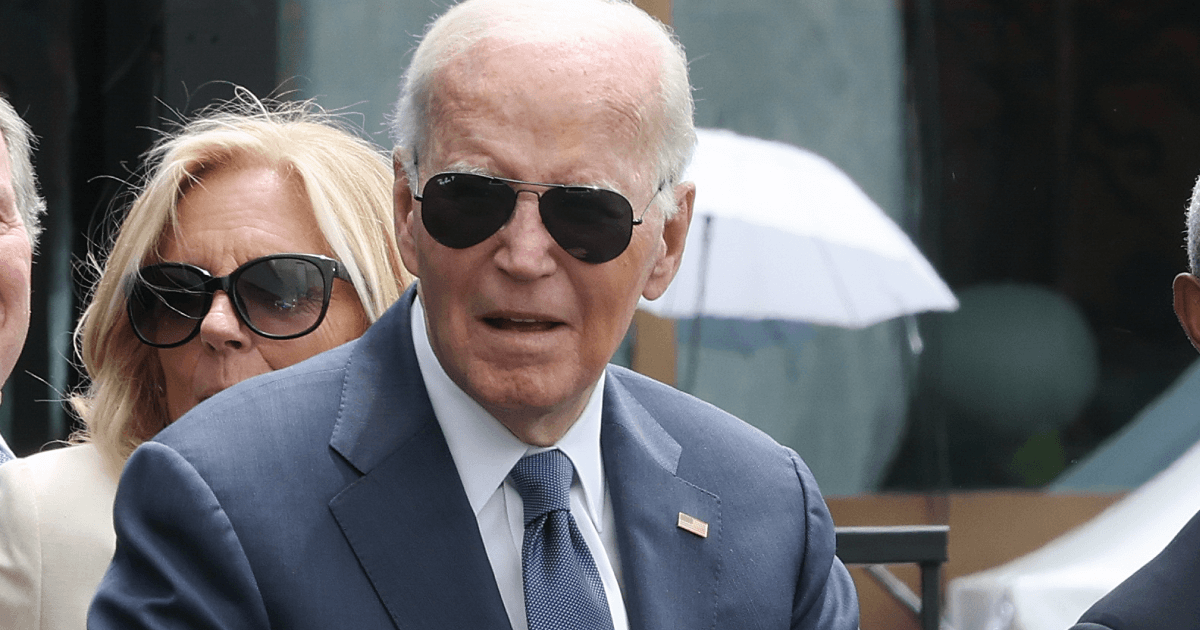 Newsroom
Joe Biden honoured by Planned Parenthood after defending abortion rights
Christine Rousselle
subscribe to the catholic herald today
Our best content is exclusively available to our subscribers. Subscribe today and gain instant access to expert analysis, in-depth articles, and thought-provoking insights—anytime, anywhere. Don’t miss out on the conversations that matter most.
Subscribe



