September 9, 2026

Trans activists disrupt Mass as thousands march for life, and China's underground bishops defy Beijing

The Catholic Herald
More
Related
Min read
share

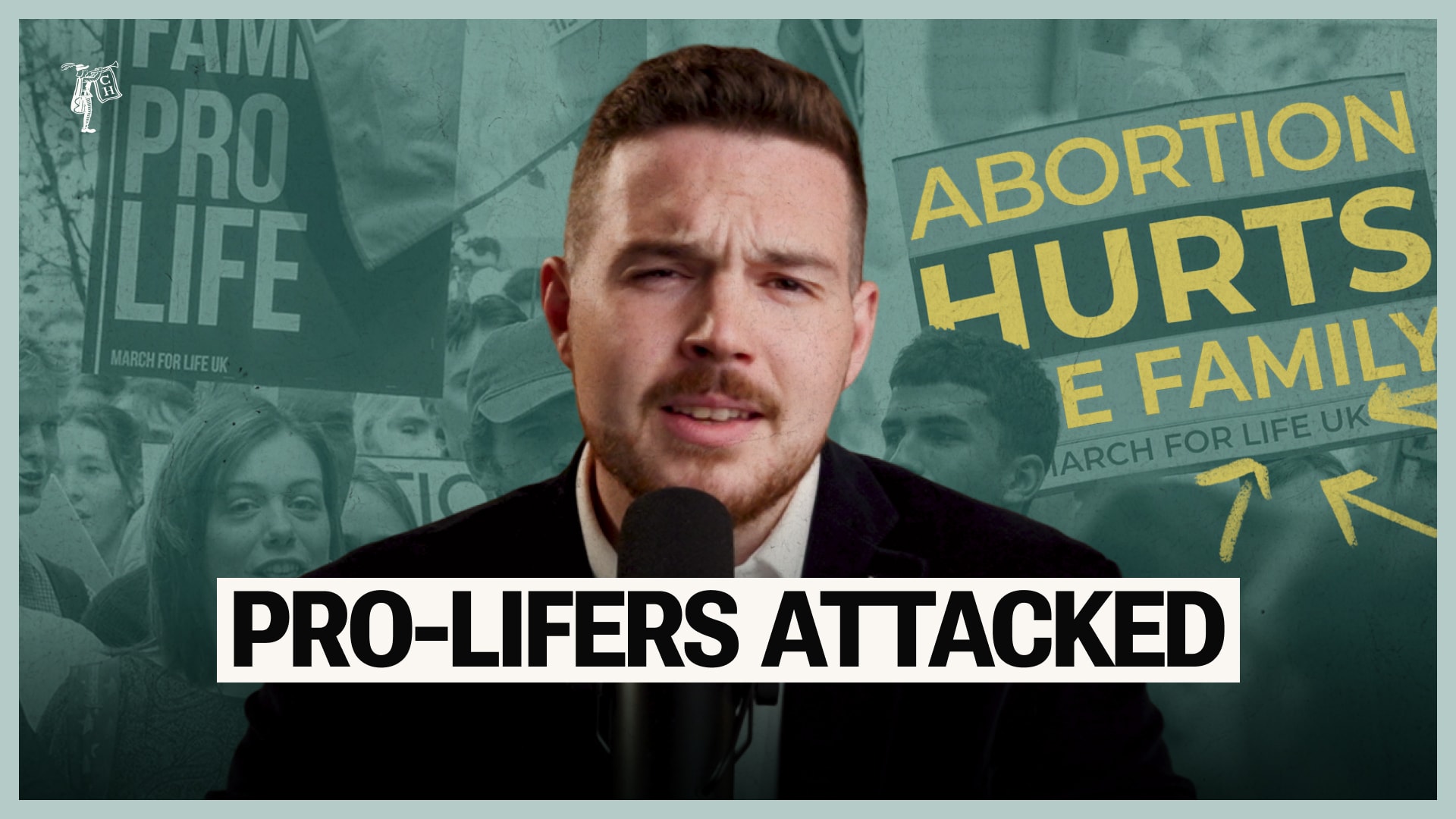
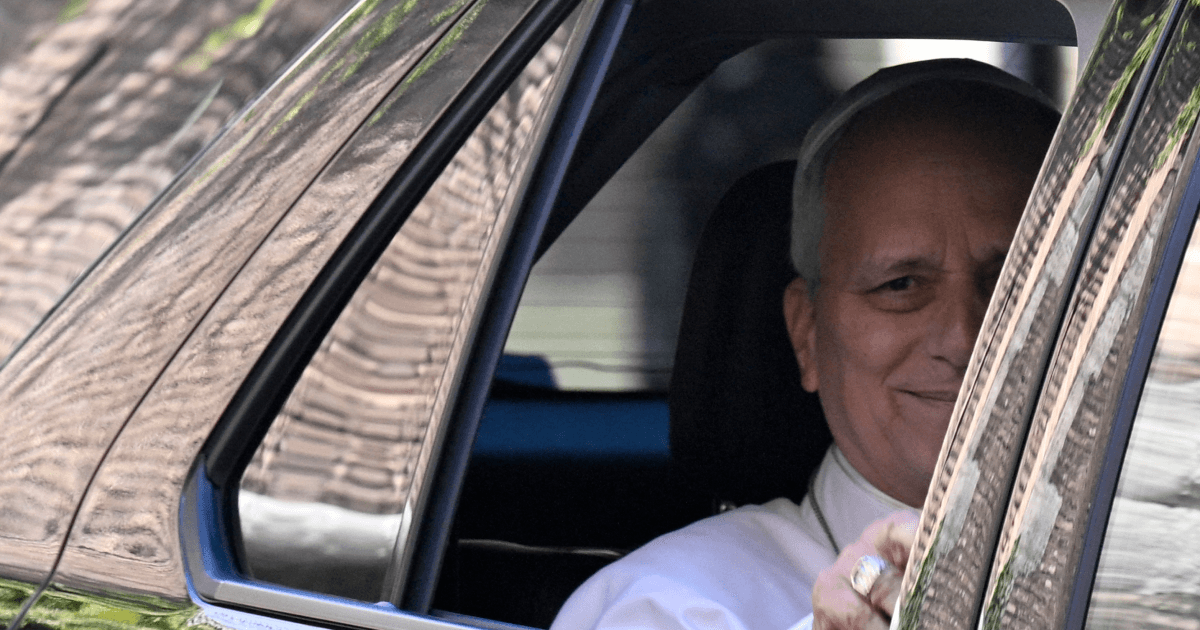
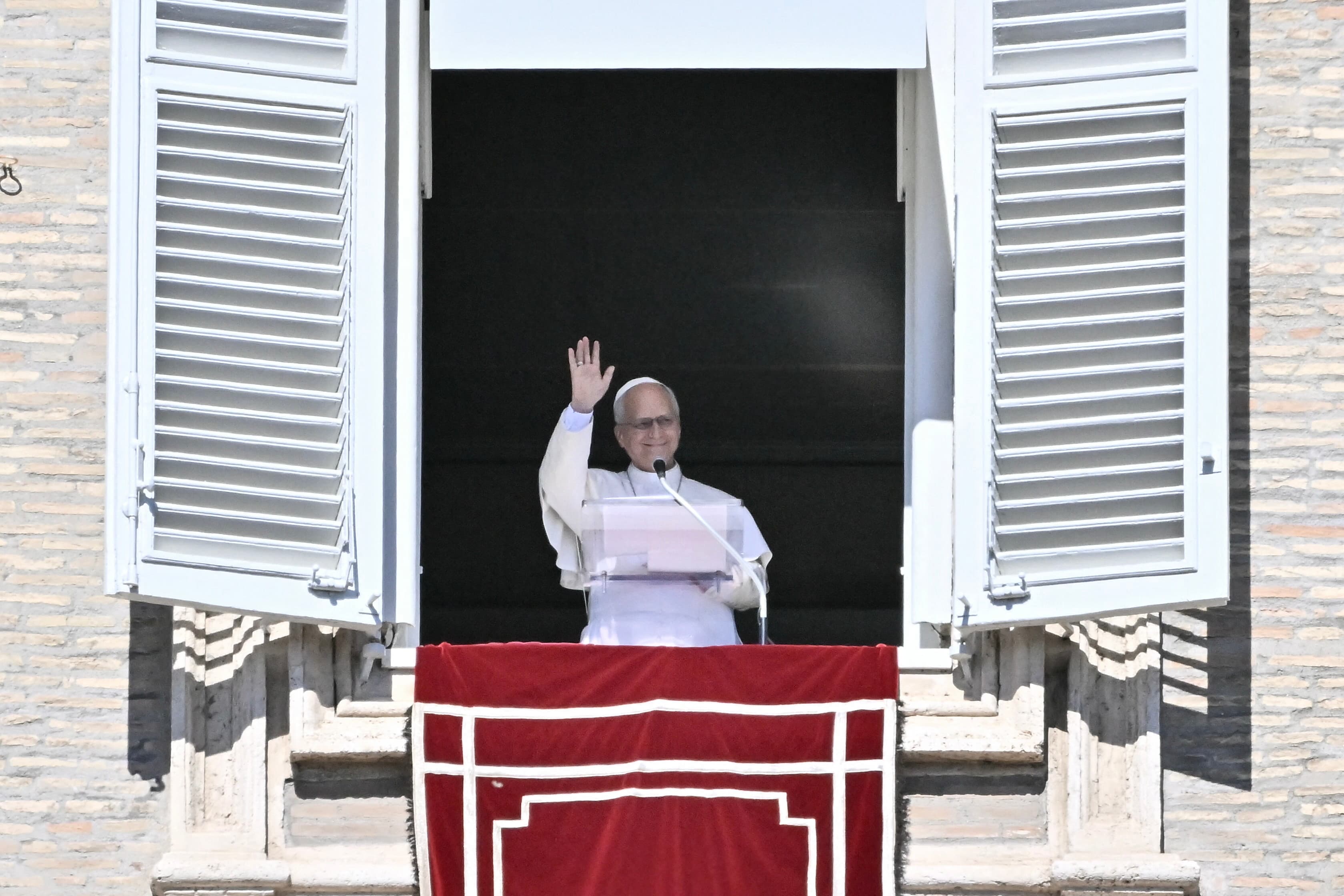
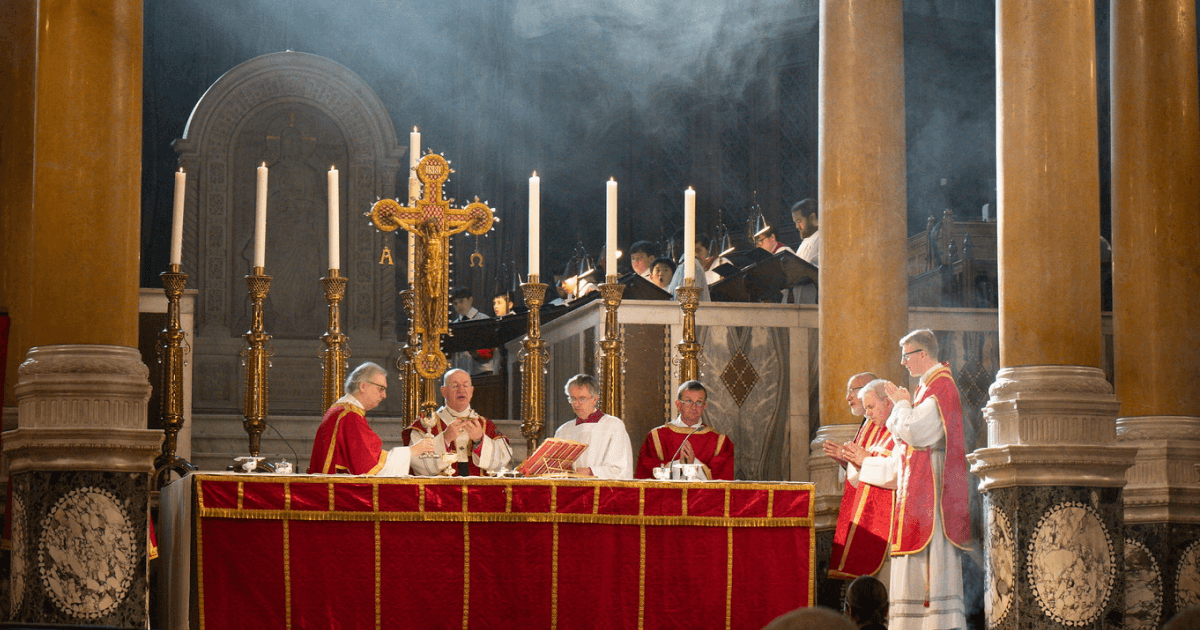
More than 10,000 people marched through London for this year's March for Life on Saturday, walking from Westminster to Parliament Square under the theme "Abortion Hurts the Family." The Catholic Herald's Michael Haynes described a crowd spanning every age and background, families and young adults, priests and religious, Catholics and other Christians, and event coordinator Ben Thatcher recalled a 97 year old woman completing the route with a walking frame alongside young marchers carrying the banner at the front. It was also the strongest Catholic episcopal presence in the march's history, with fifteen bishops taking part, more than twice last year's number, as Archbishop Richard Moth concelebrated Mass at Westminster Cathedral alongside fourteen fellow bishops and Pope Leo XIV sent a message of encouragement that was read to the crowd. The day drew a broader Christian coalition too, with Anglican worship, an Orthodox moleben and evangelical prayer alongside the Catholic Mass, after Orthodox bishops in Britain and Ireland had encouraged their own faithful to join.

That coalition met organised opposition from the outset. Westminster Cathedral was standing room only for the morning Mass, according to Thatcher, when a small group of transgender pro-abortion activists disrupted the service with banners and chanting before being escorted out. At Parliament Square, counter-protesters used whistles, horns and megaphones to drown out speeches, and the Herald reported physical altercations in which journalists had umbrellas and placards pushed into their faces and marchers had phones knocked from their hands and flags stolen.

The same pattern played out in Germany days earlier. On the Feast of the Assumption, around twenty pro-lifers from TFP Student Action Europe and Aktion SOS Leben gathered in Göttingen for a registered "Public Rosary Against Abortion," which police confirmed remained peaceful throughout. A counter-protest including Antifa and other radical left wing activists formed around them regardless, and when the group tried to leave, police had to use pepper spray to hold the two sides apart. Twelve officers were injured, several ambulances were called and the TFP and SOS Leben volunteers left the city under police protection.

David Hahn used the clash to press a wider argument about English reserve. Watching the natural restraint of English public life, he argued that composure is a virtue for the strong but a liability for those losing ground, comparing English conservatives to a shrunken David facing giants that have only grown, abortion chief among them. He held up the late Charlie Kirk, whose death falls a year ago this month, as a model of disciplined intensity, someone willing to state a moral conclusion plainly and press an argument without turning on the person making it. Citing research associated with Jonathan Haidt showing that political liberals struggle more than conservatives to reconstruct the other side's moral reasoning, Hahn argued for patience alongside boldness, urging listeners to marry conviction with charity, build families and communities rather than rest on argument alone, and pray for opponents rather than simply defeat them.

Turning to China, Hahn reported an anonymous underground bishop's claim that at least ten bishops have been secretly consecrated in Fujian province alone since the Vatican's 2018 deal with Beijing, a disclosure made to China expert Dr Anthony Clark. The bishop described the underground church entering a "state of emergency," with the secret consecrations intended to secure the Church's survival against communist influence. The claim cannot be independently verified, and the identity of the bishop, along with the names, timing and consecrating authority behind the ten bishops, remains unknown.

The claim strikes at the heart of the Vatican's provisional agreement with Beijing, first signed under Pope Francis in 2018 and renewed in 2020, 2022 and again in October 2024, this time for four years, taking it through to 2028. Its stated purpose was to regularise the appointment of bishops and heal the divide between China's state recognised and underground Catholics, a goal it has achieved only partially: some previously illicit bishops have been reconciled to Rome and some appointments now carry recognition from both sides. Yet Human Rights Watch reported this year that persecution of Chinese Catholics has intensified, and argues the agreement itself has helped Beijing pressure underground Catholics into the state church. Dr Clark says some Chinese Catholics are now asking, in his words, "who is the pope in China, Xi Jinping or Pope Leo XIV?" The Catholic Herald's Rome correspondent, Michael Haynes, has asked the Holy See whether it knew of or approved the secret consecrations. There has been no response.

Two very different stories, one on the streets of London and one hidden inside China's underground church, point to the same underlying question: whether quiet, settled arrangements, a political consensus on abortion in Britain, a diplomatic accommodation with Beijing, are holding up as well as their defenders assume. Ten thousand marchers and a swelling opposition suggest Britain's abortion debate is not as settled as it once seemed. Ten secretly consecrated bishops suggest China's underground Catholics are no longer certain the Vatican's deal can protect them either. In both cases, the people closest to the pressure are the ones no longer willing to stay quiet.

Continue reading with a free account

Create a free account to read up to five articles each month
Create free account

You have # free articles remaining this month.

Subscribe to get unlimited access.
Sign up

subscribe to the catholic herald today

Our best content is exclusively available to our subscribers. Subscribe today and gain instant access to expert analysis, in-depth articles, and thought-provoking insights—anytime, anywhere. Don’t miss out on the conversations that matter most.
Subscribe