
December 25, 2025
December 25, 2025

Twelve Days of Christmas, twelve good reasons to slow down and feast properly.

Min read
share

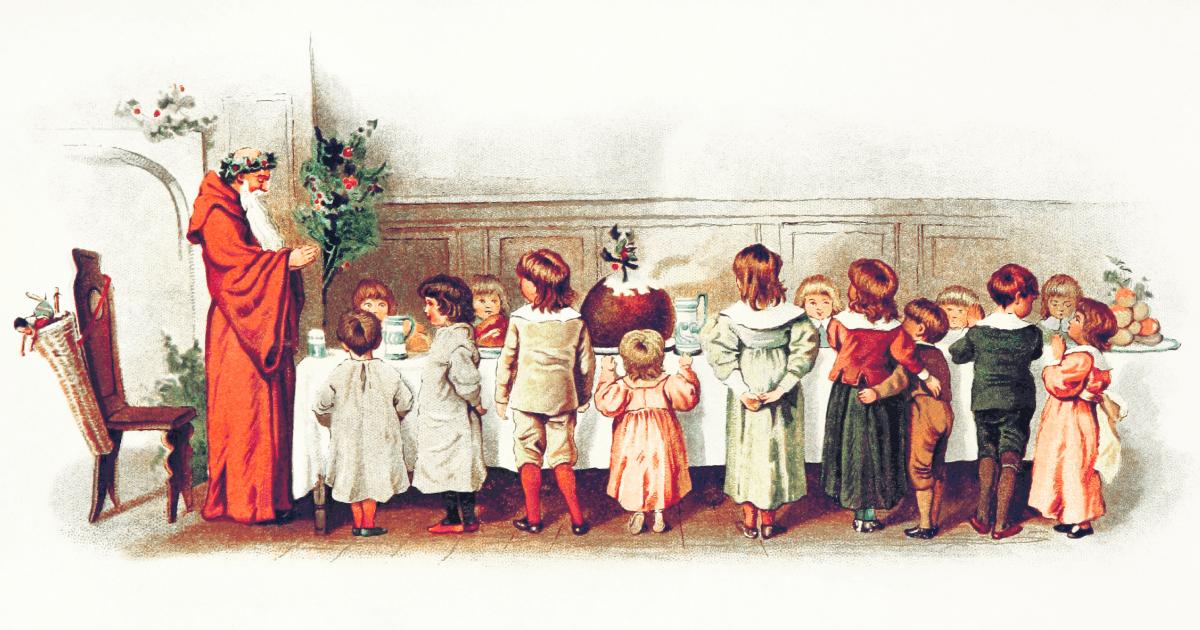
When it comes to celebrating a modern Christmas, what once was the beginning is now the end. We carouse through Advent, summit Christmas Day as if it cresting a fairy-lit pinnacle, and spend the next few days in an abyss of faintly guilt-ridden purposelessness. But what if we readjusted our mindsets? What if we accepted that, however many carol services we attend and drinks parties we are invited to, December is actually harder work than we realise. What if we just admitted it, and could begin, just as we used to, with the First Day of Christmas on the 25th and 11 more days of rest stretched comfortably ahead? 

Naturally, those Twelve Days of Christmas will need excellent refreshments. On the first day, I prescribe a glass or three of the best Champagne you can stretch to. Ideally it will be rich and biscuity, made using a good chunk of each of the three main Champagne varieties (chardonnay, pinot noir and pinot meunier). Louis Roederer Collection? Krug Grande Cuvée? Something much cheaper from your local shop? Take your pick. What you drink after this does not matter: the Champagne is the thing. 

On the second day, let’s celebrate the Feast of St Stephen and the turkey leftovers with one of the underrated whites from the southern Rhône, a blend of grapes that varies from producer to producer, cuvée to cuvée, but which might include grenache blanc, viognier and clairette, and whose scent will rise from the glass like a softly perfumed cloud of dried wild herbs and waxy white flowers. 

On the third day, you must drink fine wine for the Feast Day of St John, who drank a poisoned glass of wine yet miraculously survived because he had blessed it beforehand. 

For the Fourth Day, you might be ready for a warming cocktail. How about a Whisky Mac? Two parts blended whisky, one part ginger wine, mixed and poured over ice into a small tumbler. At this time of year, a Whisky Mac has honorary cup of tea status and is acceptable to drink while it’s still daylight. The fiery ginger and flare of the whisky also make it perfect after a bracing walk in the freezing cold. 

By the fifth day of Christmas, 29 December, I’m ready for a light supper and, in place of pudding, a sweetly creamy cocktail, specifically, a Brandy Alexander. This drink calls for a bottle of crème de cacao, which comes in two different colours. I prefer the richer, more cocoa-like flavour of dark crème de cacao but white crème de cacao does make a pleasingly snowy-looking Brandy Alexander. To make, shake equal parts of brandy, crème de cacao and single cream with ice and then strain into a coupe glass. Dust with a micro-grating of nutmeg, if you like. 

Day six? If more outdoors activities are in play, it’s good to come back to an Applebuie: a warm drink and not very alcoholic made with Drambuie, the Scotch whisky liqueur, and apple juice. Applebuie works best if you have a thirsty crowd of friends. Pour one litre of cloudy apple juice, one litre of hot water and 300ml Drambuie into a pan. Add a stick of cinnamon and heat on the stove until the drink is warm and spicy enough for your liking. Use a ladle to dole it out into glasses or mugs. 

The seventh day of Christmas is New Year’s Eve. I like to celebrate this annual landmark with a Boulevardier cocktail and an early night. The Boulevardier is an excellent drink. Think of it as a winter Negroni in which the whisky replaces the gin but your hand slips so there’s extra whisky. Here’s the recipe: Pour 45ml rye or bourbon whisky, 30ml Campari and 30ml red vermouth into an ice-filled tumbler. Stir. Garnish with a paring of orange rind.

If you are more of a sociable New Year’s Eve sort then I direct you to the drink I’m about to recommend for Twelfth Night. But first, quickly, let’s take the eighth day off with a Crodino, the non-alcoholic spritz. On the ninth day, especially if the weather is cold, the savour of a Blanc de Noirs Champagne. For the tenth day, a martini (gin, not too dry). For the eleventh a well-chilled Beaujolais Cru, the red wine made from the gamay grape, which I’m pairing with coq au vin. And finally, for Twelfth Night, a Wassail Cup. The word wassail comes from the Old Norse, ves heill, to be in good health. Here’s how to make the drink. Core six apples and place them on a baking tray with a spoonful of sugar in the core-hole of each. Bake at 170C until roasted but not fallen. Then put 100ml water, 250ml sherry, 2 litres cider, 1 orange studded with cloves, one 2.5cm piece of cinnamon stick, 6 allspice berries, and a little grated nutmeg into a large pan. Bring to a slow simmer and cook gently for 15 minutes. Now add the apples and cook for five more minutes. Add 1-2 glasses of cooking brandy, continue heating until the mixture is piping hot. And serve

When it comes to celebrating a modern Christmas, what once was the beginning is now the end. We carouse through Advent, summit Christmas Day as if it cresting a fairy-lit pinnacle, and spend the next few days in an abyss of faintly guilt-ridden purposelessness. But what if we readjusted our mindsets? What if we accepted that, however many carol services we attend and drinks parties we are invited to, December is actually harder work than we realise. What if we just admitted it, and could begin, just as we used to, with the First Day of Christmas on the 25th and 11 more days of rest stretched comfortably ahead? 

Naturally, those Twelve Days of Christmas will need excellent refreshments. On the first day, I prescribe a glass or three of the best Champagne you can stretch to. Ideally it will be rich and biscuity, made using a good chunk of each of the three main Champagne varieties (chardonnay, pinot noir and pinot meunier). Louis Roederer Collection? Krug Grande Cuvée? Something much cheaper from your local shop? Take your pick. What you drink after this does not matter: the Champagne is the thing. 

On the second day, let’s celebrate the Feast of St Stephen and the turkey leftovers with one of the underrated whites from the southern Rhône, a blend of grapes that varies from producer to producer, cuvée to cuvée, but which might include grenache blanc, viognier and clairette, and whose scent will rise from the glass like a softly perfumed cloud of dried wild herbs and waxy white flowers. 

On the third day, you must drink fine wine for the Feast Day of St John, who drank a poisoned glass of wine yet miraculously survived because he had blessed it beforehand. 

For the Fourth Day, you might be ready for a warming cocktail. How about a Whisky Mac? Two parts blended whisky, one part ginger wine, mixed and poured over ice into a small tumbler. At this time of year, a Whisky Mac has honorary cup of tea status and is acceptable to drink while it’s still daylight. The fiery ginger and flare of the whisky also make it perfect after a bracing walk in the freezing cold. 

By the fifth day of Christmas, 29 December, I’m ready for a light supper and, in place of pudding, a sweetly creamy cocktail, specifically, a Brandy Alexander. This drink calls for a bottle of crème de cacao, which comes in two different colours. I prefer the richer, more cocoa-like flavour of dark crème de cacao but white crème de cacao does make a pleasingly snowy-looking Brandy Alexander. To make, shake equal parts of brandy, crème de cacao and single cream with ice and then strain into a coupe glass. Dust with a micro-grating of nutmeg, if you like. 

Day six? If more outdoors activities are in play, it’s good to come back to an Applebuie: a warm drink and not very alcoholic made with Drambuie, the Scotch whisky liqueur, and apple juice. Applebuie works best if you have a thirsty crowd of friends. Pour one litre of cloudy apple juice, one litre of hot water and 300ml Drambuie into a pan. Add a stick of cinnamon and heat on the stove until the drink is warm and spicy enough for your liking. Use a ladle to dole it out into glasses or mugs. 

The seventh day of Christmas is New Year’s Eve. I like to celebrate this annual landmark with a Boulevardier cocktail and an early night. The Boulevardier is an excellent drink. Think of it as a winter Negroni in which the whisky replaces the gin but your hand slips so there’s extra whisky. Here’s the recipe: Pour 45ml rye or bourbon whisky, 30ml Campari and 30ml red vermouth into an ice-filled tumbler. Stir. Garnish with a paring of orange rind.

If you are more of a sociable New Year’s Eve sort then I direct you to the drink I’m about to recommend for Twelfth Night. But first, quickly, let’s take the eighth day off with a Crodino, the non-alcoholic spritz. On the ninth day, especially if the weather is cold, the savour of a Blanc de Noirs Champagne. For the tenth day, a martini (gin, not too dry). For the eleventh a well-chilled Beaujolais Cru, the red wine made from the gamay grape, which I’m pairing with coq au vin. And finally, for Twelfth Night, a Wassail Cup. The word wassail comes from the Old Norse, ves heill, to be in good health. Here’s how to make the drink. Core six apples and place them on a baking tray with a spoonful of sugar in the core-hole of each. Bake at 170C until roasted but not fallen. Then put 100ml water, 250ml sherry, 2 litres cider, 1 orange studded with cloves, one 2.5cm piece of cinnamon stick, 6 allspice berries, and a little grated nutmeg into a large pan. Bring to a slow simmer and cook gently for 15 minutes. Now add the apples and cook for five more minutes. Add 1-2 glasses of cooking brandy, continue heating until the mixture is piping hot. And serve

share

subscribe to the catholic herald today

Our best content is exclusively available to our subscribers. Subscribe today and gain instant access to expert analysis, in-depth articles, and thought-provoking insights—anytime, anywhere. Don’t miss out on the conversations that matter most.
Subscribe