


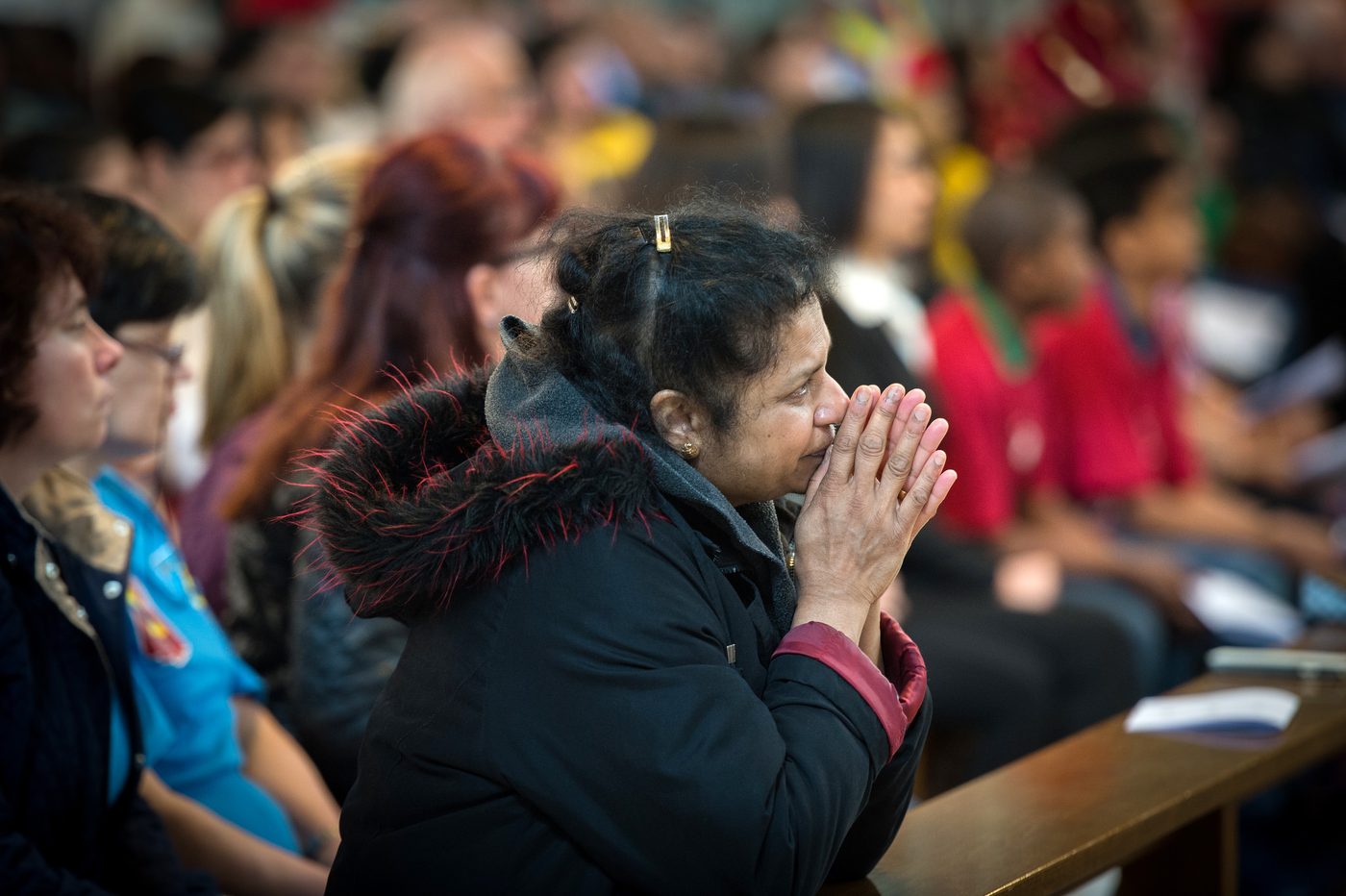
Statistics are always interesting, but the real question is how they are to be interpreted and the use we make of them. The Benedict XVI Centre for Religion and Society, based at St Mary’s University in Twickenham, has produced a report on the state of Catholicism in this country derived from the British Social Attitudes Survey, which makes fascinating reading. But it is not always heartening reading, though it contains a few pointers in it to a brighter future. A lot of what the report tells us we already knew, though it is good to have a sound basis for what previously may have only been a hunch. For example, though many people who are brought up Catholic remain Catholic, an awful lot do not: the rate of lapsation is terrifyingly high, and these are people who are not simply “lapsed” in the classical sense, Catholics who do not go to Mass, but baptised Catholics who now deny that they are Catholics at all. And why does it help to know this? Because, quite simply, it is an antidote to all those who tell us that everything in the garden is rosy, and that what we are doing at present is working and we should continue doing it. Well, it isn’t rosy, and it isn’t working: we need to make profound changes in the way we do things. People who argue for the status quo have, thanks to this report, just had their position seriously undermined, and every Catholic who cares about the Church should rejoice at this. So it is not all bad news. Moreover, the report points us in the direction we need to take. To quote our report on the report:
1:29 PM
Urgent action is needed to improve evangelisation in England and Wales
A report on the state of Catholicism in England and Wales makes for worrying, if not surprising, reading
Fr Alexander Lucie-Smith

4 min read



Already a subscriber? Sign in
5freearticles every month
Continue reading with a free account. No card needed.
- Five free articles every thirty days, on any device you sign in on
- The Catholic Herald newsletter, every morning
- Subscribe whenever you like for everything: every article and the magazine
Related articles
 Newsroom
Church leaders urge Drumcree dialogue: ‘Too much is at stake’
The Catholic and Church of Ireland Archbishops of Armagh have urged a renewed commitment to peace and reconciliation amid the Drumcree stand-off
Corrie Douglas-Young Newsroom
Thousands of Irish children to join global Rosary campaign
Corrie Douglas-Young Newsroom
TikTok priest urges young people to stand with persecuted Christians
Nathalie Raffray Newsroom
Baby born at 25 weeks reunites with neonatologist two years after leaving hospital
The Catholic Herald Newsroom
Joe Biden honoured by Planned Parenthood after defending abortion rights
Christine Rousselle
subscribe to the catholic herald today
Our best content is exclusively available to our subscribers. Subscribe today and gain instant access to expert analysis, in-depth articles, and thought-provoking insights—anytime, anywhere. Don’t miss out on the conversations that matter most.
Subscribe



