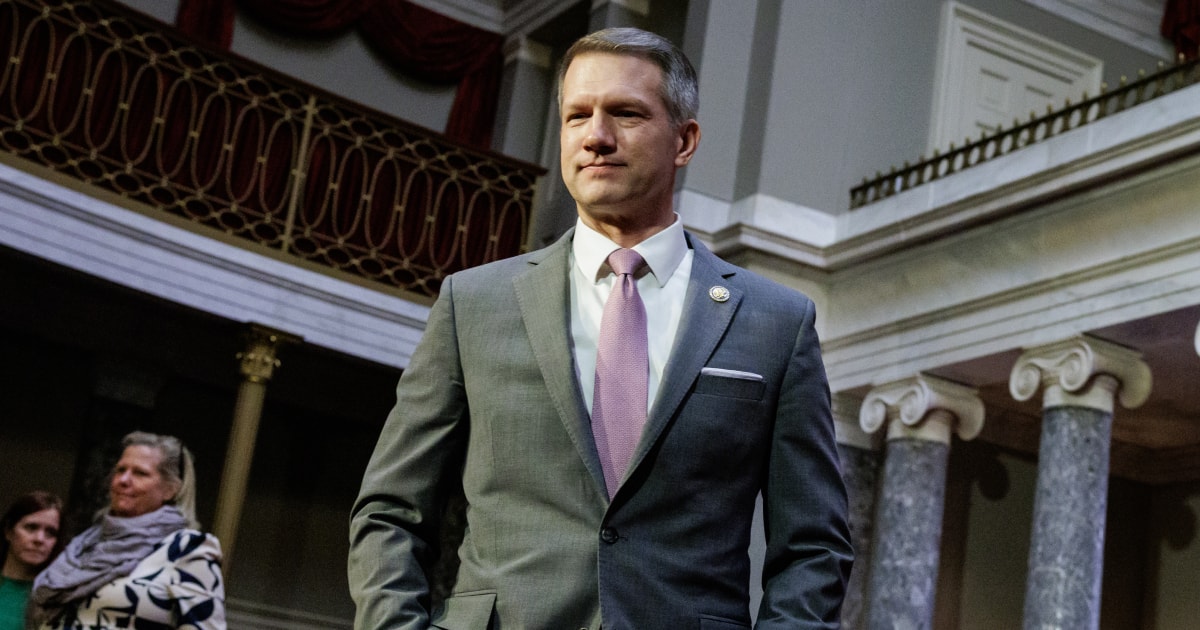



Two Republican lawmakers have renewed their effort to make Easter Monday a federal holiday in the United States, reviving a proposal first introduced last year and presenting it as both a practical reform and a recognition of the country’s Christian inheritance. Rep. Riley Moore of West Virginia and Sen. Eric Schmitt of Missouri are backing the measure, which would designate the day after Easter Sunday as a federal holiday.
The latest push came on 6 April, when Moore publicly called on Congress to pass what he has named the Easter Monday Act. In a social media thread, he argued that the United States should already be preparing for what he described as the 2,000th anniversary of the passion, death and resurrection of Christ, now seven years away. He presented the proposal as a way of giving Easter greater public recognition in national life.

According to EWTN, the legislation was first introduced a year ago, but neither the House nor Senate version has yet received a hearing. The House measure has been referred to the Committee on Oversight and Government Reform, while the Senate version has gone to the Judiciary Committee. That leaves the proposal still at an early stage, despite this year’s renewed lobbying by its sponsors.
Moore argued that the case for the holiday is both cultural and practical. He said more than 80 per cent of Americans celebrate Easter and suggested that the US is unusual among Western nations in not observing Easter Monday as a public holiday. He also said an extra day would ease the pressure on families who travel for Easter, allowing them more time with relatives, at church and around the dinner table instead of rushing home on Sunday evening to return to work the next morning.
The congressman also gave the proposal a more explicitly religious cast. Referring to the Gospel accounts of the risen Christ’s appearances after Easter, Moore said the celebration should not end “at the strike of midnight”. He described Easter Monday as an opportunity to carry the meaning of the resurrection into daily life and into the public life of the nation.
Support for the idea has also come from other prominent figures on the American right. Brian Burch, the US ambassador to the Holy See, responded to Moore’s appeal by saying it was striking that Easter had never become a national holiday in the United States, largely because it always falls on a Sunday. He added that the proposal deserved serious consideration, including for what he called its civilisational significance. Schmitt, for his part, said that on Easter Day Americans should be focused on celebrating rather than on the working week ahead.
The renewed campaign has also drawn attention to the uneven status of Christian holy days in American public life. Good Friday is not a federal holiday, but EWTN reported that state offices in 16 states observe it through early closure or all-day closure. Beyond the United States, Good Friday is widely kept as a public holiday in a number of countries, including the United Kingdom, Germany, Spain, Brazil and Canada.
For now, however, the Easter Monday proposal remains just that: a proposal. No new legislative breakthrough has yet been reported, and no hearings have been scheduled. Even so, the latest intervention shows that some American politicians want Easter to be marked not only in churches and homes, but in the country’s federal calendar as well.


.jpg)