

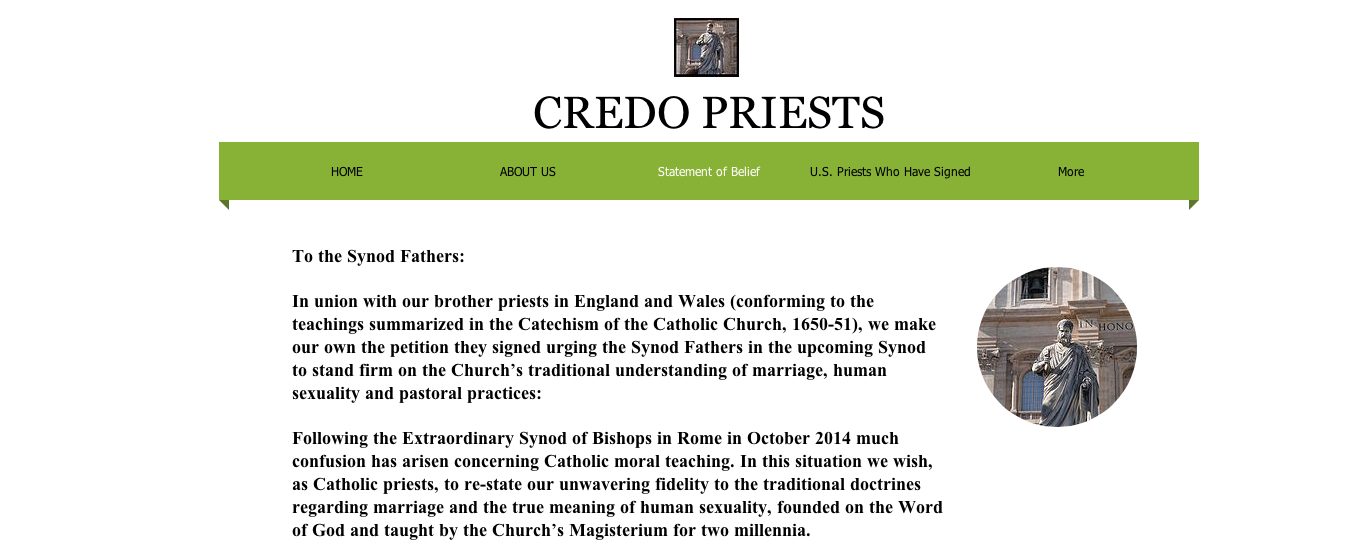
A group of American priests has given its backing to the British clergy who wrote to the Catholic Herald last month in support of Church teaching on marriage. Following the letter from 500 clergy in England and Wales , which was issued in advance of the Synod of Bishop taking place later this year, a group of American clergy has now added their support, as first reported by the Church Militant website. In a letter, addressed to the Synod Fathers and published on the Credo Priests website, they state: “In union with our brother priests in England and Wales (conforming to the teachings summarised in the Catechism of the Catholic Church, 1650-51), we make our own the petition they signed urging the Synod Fathers in the upcoming Synod to stand firm on the Church’s traditional understanding of marriage, human sexuality and pastoral practices. “Following the Extraordinary Synod of Bishops in Rome in October 2014 much confusion has arisen concerning Catholic moral teaching. In this situation we wish, as Catholic priests, to re-state our unwavering fidelity to the traditional doctrines regarding marriage and the true meaning of human sexuality, founded on the Word of God and taught by the Church’s Magisterium for two millennia. Five hundred priests have signed the letter, with signatories including Fr Joseph Fessio, founder of Ignatius Press, the writer Mgr Charles Pope and blogger Fr John Zuhlsdorf. The letter continues: “We commit ourselves anew to the task of presenting this teaching in all its fullness, while reaching out with the Lord’s compassion to those struggling to respond to the demands and challenges of the Gospel in an increasingly secular society. Furthermore we affirm the importance of upholding the Church’s traditional discipline regarding the reception of the sacraments, and the millennial conviction that doctrine and practice remain firmly and inseparably in harmony. “We urge all those who will participate in the second Synod in October 2015 to make a clear and firm proclamation of the Church’s unchanging moral teaching, so that confusion may be removed, and faith confirmed.”
11:26 AM
US clergy back British priests over synod letter
American clergymen join British counterparts in wishing to uphold 'Church discipline' on sacraments
Staff Reporter

2 min read



Already a subscriber? Sign in
5freearticles every month
Continue reading with a free account. No card needed.
- Five free articles every thirty days, on any device you sign in on
- The Catholic Herald newsletter, every morning
- Subscribe whenever you like for everything: every article and the magazine
Related articles
 Newsroom
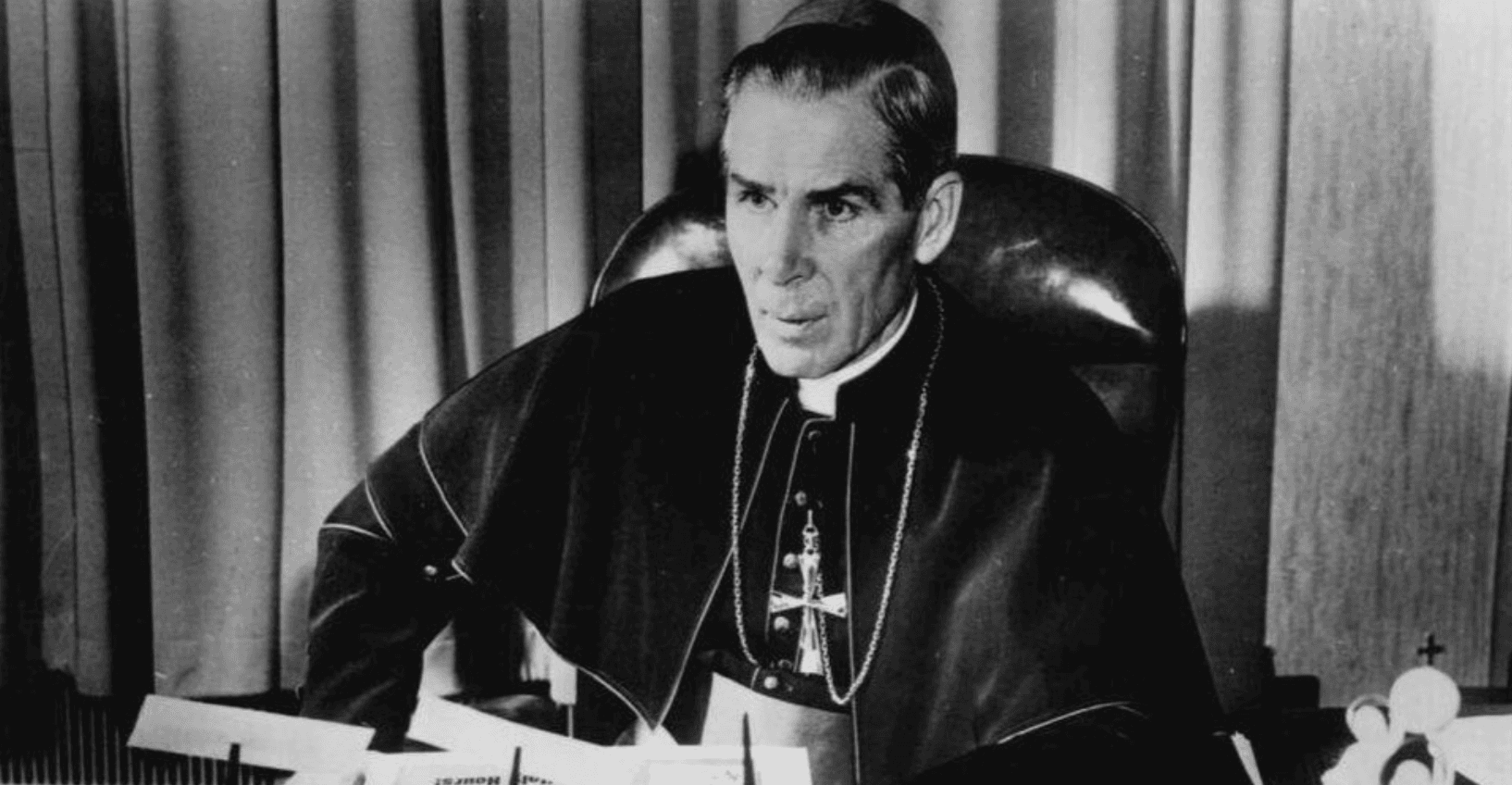
First parish named for Bl Fulton Sheen established in Illinois
Bishop Louis Tylka of Peoria announced the new Blessed Fulton Sheen Parish two days after Sheen became the first American-born bishop to be beatified
Christine Rousselle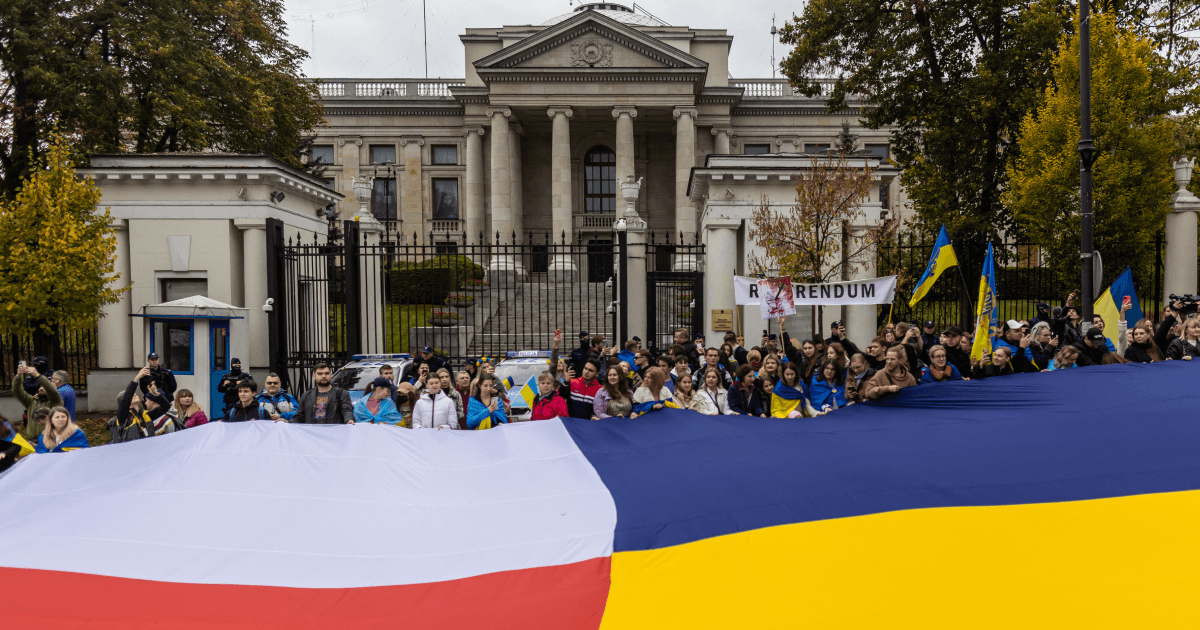 Newsroom
Injured priest tells Poles: ‘Do not blame Ukraine’ for convent attack
Corrie Douglas-Young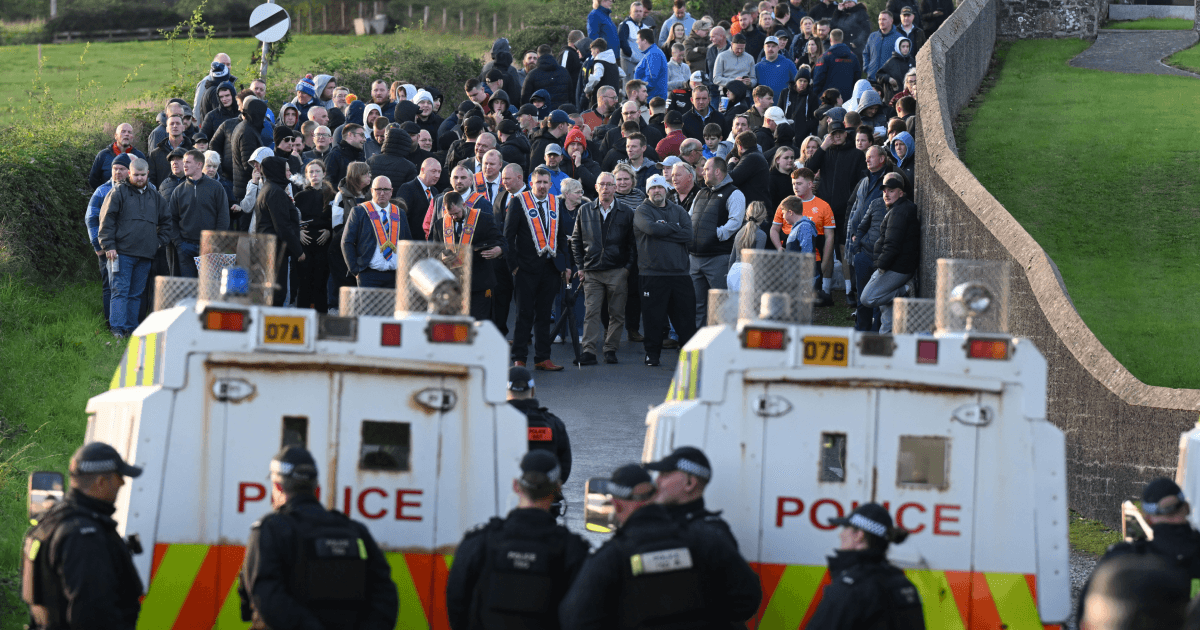 Newsroom
Church leaders urge Drumcree dialogue: ‘Too much is at stake’
Corrie Douglas-Young Newsroom
Thousands of Irish children to join global Rosary campaign
Corrie Douglas-Young Newsroom
TikTok priest urges young people to stand with persecuted Christians
Nathalie Raffray
subscribe to the catholic herald today
Our best content is exclusively available to our subscribers. Subscribe today and gain instant access to expert analysis, in-depth articles, and thought-provoking insights—anytime, anywhere. Don’t miss out on the conversations that matter most.
Subscribe



