



March 5, 2026

US Supreme Court votes in favour of parents’ rights in school’s gender policy

The Catholic Herald
More
Related
Min read
share

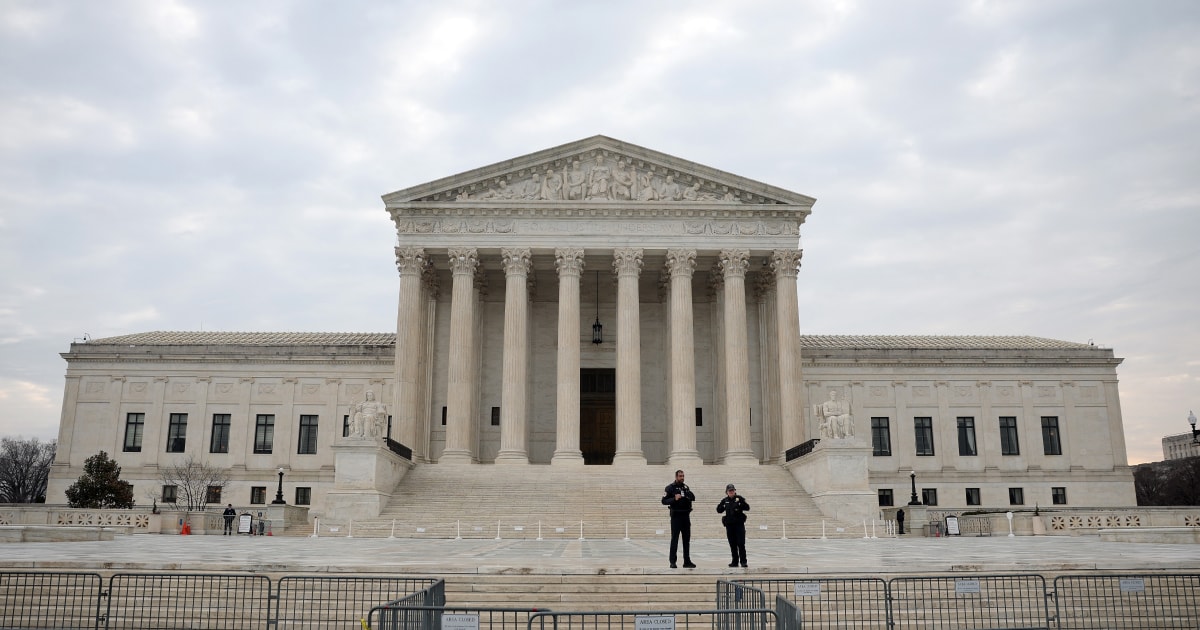
The United States Supreme Court has voted to allow parents in California to challenge school policies that conceal a child’s “gender transition”. 

In a 6–3 decision issued on March 2, the Court granted an emergency application from a group of California parents and restored a lower court injunction that blocks the enforcement of policies permitting schools to facilitate a student’s gender transition without informing their parents. The decision means the contested policies will remain suspended while the case continues to move through the courts.


The lawsuit was brought by parents and two teachers who argued that guidance adopted by school authorities allowed staff to socially transition students,  including the use of preferred names and pronouns, without parental knowledge or consent. They contended that the rules infringed their constitutional rights, including religious liberty and the right to direct the upbringing of their children.

A federal district court initially ruled in favour of the parents and teachers, issuing an injunction preventing the policies from being enforced. That order was later paused by the United States Court of Appeals for the Ninth Circuit after California officials appealed the decision. The Supreme Court’s intervention now restores the injunction for the parents while the wider litigation continues.

In its unsigned order, the Court said the parents had demonstrated that the policy likely imposed a serious burden on their constitutional rights. The justices wrote that the policy “substantially interfere[s] with the First Amendment right of parents to guide the religious development of their children”. They also expressed scepticism about the state’s argument that the rules were necessary to protect students.

“The State argues that its policies advance a compelling interest in student safety and privacy,” the Court said. “But those policies cut out the primary protectors of children’s best interests: their parents.”

The case, known as Mirabelli v. Bonta, centres on guidance that critics say allowed schools to keep information about a child’s gender identity from families even when staff were actively supporting a student’s social transition.

Lawyers for the parents said the rules forced teachers to treat a student according to a gender identity that might differ from the child’s biological sex while also preventing them from informing parents.

The legal organisation representing the parents, the Thomas More Society, described the ruling as a significant development in the defence of parental authority in education.

The ruling applies to the parents who brought the case and also preserves a class-wide injunction that extends the protection to other families affected by the policy. The Supreme Court declined, however, to reinstate the injunction specifically for the teachers involved in the case.

Three justices dissented from the order. Justice Elena Kagan criticised the decision as an example of the Court intervening prematurely through its emergency docket, sometimes referred to as the “shadow docket”. Kagan wrote that the Court’s intervention risked disrupting complex legal questions before they had been fully examined by lower courts.

Attorneys representing California argued that the policy sought to balance parental interests with the welfare of students who might face harm if their gender identity were disclosed without their consent.

They told the Court that schools must sometimes weigh “students’ particular needs and circumstances, such as the risk of harm upon disclosure of the student’s gender identity without student consent”.

The Supreme Court has in recent years been drawn repeatedly into disputes involving religious freedom and parental rights in education. Previous rulings have affirmed the right of parents to withdraw children from certain lessons on religious grounds and have reinforced longstanding constitutional protections for families. The Court is currently the most conservative it has been in decades, with six conservative judges to just three liberals. However the Chief Justice, John Roberts, has been known to vote in favour of liberal causes. 

Although the Court’s order is temporary and the legal battle is far from concluded, the decision signals that the justices believe the parents’ claims raise serious constitutional concerns. The outcome of the full case is yet to be seen.

The United States Supreme Court has voted to allow parents in California to challenge school policies that conceal a child’s “gender transition”. 

In a 6–3 decision issued on March 2, the Court granted an emergency application from a group of California parents and restored a lower court injunction that blocks the enforcement of policies permitting schools to facilitate a student’s gender transition without informing their parents. The decision means the contested policies will remain suspended while the case continues to move through the courts.

The lawsuit was brought by parents and two teachers who argued that guidance adopted by school authorities allowed staff to socially transition students,  including the use of preferred names and pronouns, without parental knowledge or consent. They contended that the rules infringed their constitutional rights, including religious liberty and the right to direct the upbringing of their children.

A federal district court initially ruled in favour of the parents and teachers, issuing an injunction preventing the policies from being enforced. That order was later paused by the United States Court of Appeals for the Ninth Circuit after California officials appealed the decision. The Supreme Court’s intervention now restores the injunction for the parents while the wider litigation continues.

In its unsigned order, the Court said the parents had demonstrated that the policy likely imposed a serious burden on their constitutional rights. The justices wrote that the policy “substantially interfere[s] with the First Amendment right of parents to guide the religious development of their children”. They also expressed scepticism about the state’s argument that the rules were necessary to protect students.

“The State argues that its policies advance a compelling interest in student safety and privacy,” the Court said. “But those policies cut out the primary protectors of children’s best interests: their parents.”

The case, known as Mirabelli v. Bonta, centres on guidance that critics say allowed schools to keep information about a child’s gender identity from families even when staff were actively supporting a student’s social transition.

Lawyers for the parents said the rules forced teachers to treat a student according to a gender identity that might differ from the child’s biological sex while also preventing them from informing parents.

The legal organisation representing the parents, the Thomas More Society, described the ruling as a significant development in the defence of parental authority in education.

The ruling applies to the parents who brought the case and also preserves a class-wide injunction that extends the protection to other families affected by the policy. The Supreme Court declined, however, to reinstate the injunction specifically for the teachers involved in the case.

Three justices dissented from the order. Justice Elena Kagan criticised the decision as an example of the Court intervening prematurely through its emergency docket, sometimes referred to as the “shadow docket”. Kagan wrote that the Court’s intervention risked disrupting complex legal questions before they had been fully examined by lower courts.

Attorneys representing California argued that the policy sought to balance parental interests with the welfare of students who might face harm if their gender identity were disclosed without their consent.

They told the Court that schools must sometimes weigh “students’ particular needs and circumstances, such as the risk of harm upon disclosure of the student’s gender identity without student consent”.

The Supreme Court has in recent years been drawn repeatedly into disputes involving religious freedom and parental rights in education. Previous rulings have affirmed the right of parents to withdraw children from certain lessons on religious grounds and have reinforced longstanding constitutional protections for families. The Court is currently the most conservative it has been in decades, with six conservative judges to just three liberals. However the Chief Justice, John Roberts, has been known to vote in favour of liberal causes. 

Although the Court’s order is temporary and the legal battle is far from concluded, the decision signals that the justices believe the parents’ claims raise serious constitutional concerns. The outcome of the full case is yet to be seen.

subscribe to
the catholic herald

Continue reading your article with a subscription.
Read 5 articles with our free plan.
Subscribe

subscribe to the catholic herald today

Our best content is exclusively available to our subscribers. Subscribe today and gain instant access to expert analysis, in-depth articles, and thought-provoking insights—anytime, anywhere. Don’t miss out on the conversations that matter most.
Subscribe