


Labor Day is a chance to celebrate the dignity of work and be “builders of communion” among society, especially in the age of artificial intelligence, said the United States Conference of Catholic Bishops (USCCB).
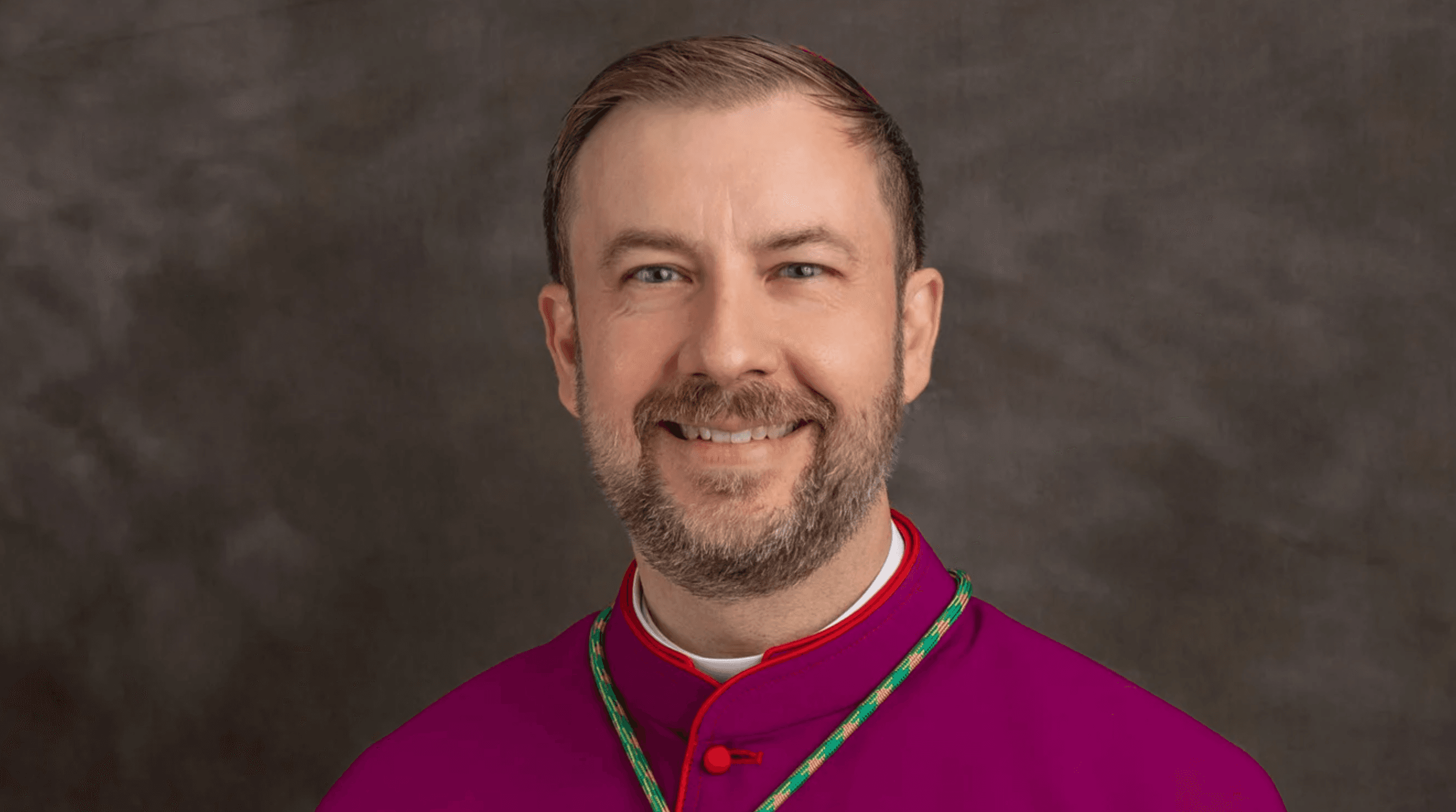
“Work is more than a way to make a living; it is a form of participation in God’s creation,” said the September 1 statement, which was signed by Archbishop Shelton Fabre of Louisville, Kentucky. Archbishop Fabre is the head of the USCCB’s committee on domestic justice and human development.
Labor Day in the United States will be observed on September 7, 2026.
“This year, we focus on young people and vulnerable communities who face uncertainty in today’s economy,” said Fabre. And while “traditional economic indicators” say the economy is growing, “hiring has slowed, especially for unemployed workers, and unemployment remains high for Black workers”.
The economic troubles have a wider ripple effect, he said, as “more than 70 per cent of Americans believe having children is unaffordable”, a 13-point increase from last year.
Additionally, there are growing concerns about the effects of artificial intelligence (AI) on the workforce, particularly among young workers. There are real fears that AI “will lead to higher unemployment and to fewer jobs that can support a family. Young people have been the most impacted so far and also experience the most anxiety about AI’s impact on their work.”
Going forward, said Archbishop Fabre, “We must listen to the experiences of workers, families, young people and communities of colour as they struggle to find stability.”
Pope Leo XIV, said Archbishop Fabre, used his encyclical Magnifica Humanitas to put a spotlight on the issues and opportunities associated with AI.
“He notes that although AI presents new opportunities, it also risks normalising a vision that is anti-human. AI systems can imitate but never replace human intelligence. AI cannot feel, love, discern or receive God’s grace and wisdom. It is not morally neutral and risks creating ‘new forms of exclusion’,” he said.
AI, said Fabre, “must be carefully developed to ensure it serves the common good and humanity itself.”
Archbishop Fabre called on Catholics to heed Pope Leo’s call to “design systems centred on the human person and not solely on performance,” and to work to create an economic system that “values the God-given dignity of each person”.
“Dignified work is not merely about productivity, but also participation in God’s creation. A just economy is not judged on profit alone, but on inclusive growth and protection for the most vulnerable,” he said.
While these ideas may seem “daunting”, said Fabre, this is a situation that the Church has dealt with in the past during the Industrial Revolution.
“As we confront this latest challenge, we invite all to be partners in this work. The Church, the government, labour unions, civil society groups, corporations and others all have a ‘shared responsibility’ to protect the human person and the dignity of work,” he said.
Catholics, he said, should work to ensure “that innovation and development is for the benefit of all, not just a few, and that each person can contribute to the Kingdom of God through their work.”