



March 23, 2026

Vatican prosecutor moves to challenge appeal ruling in Cardinal Becciu case

Niwa Limbu
More
Related
Min read
share

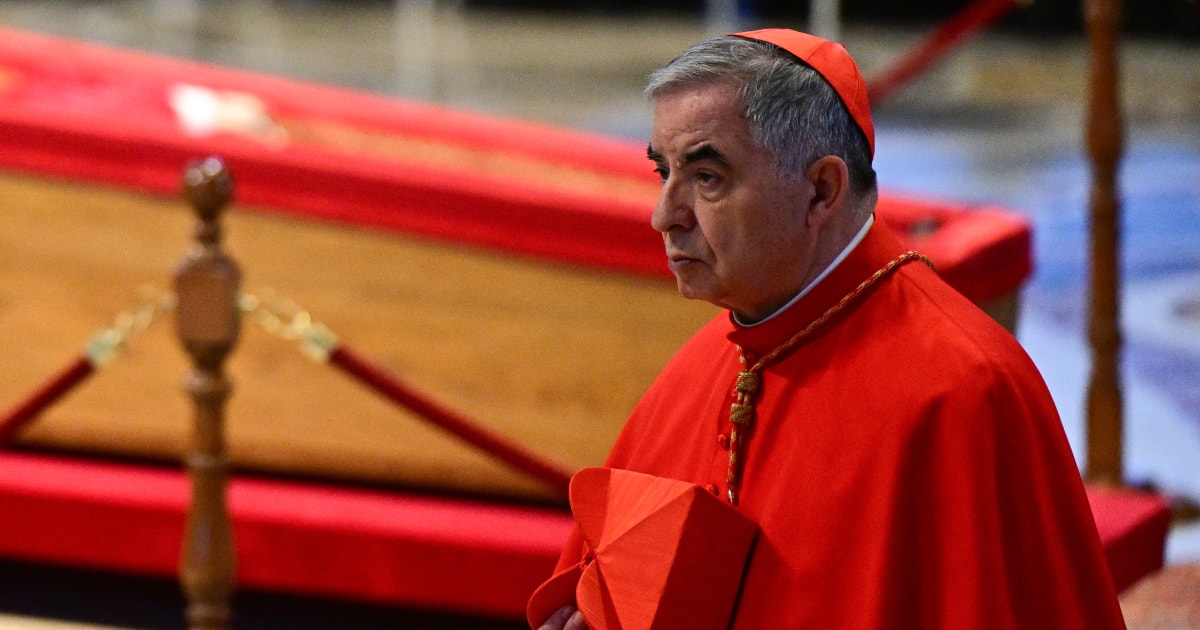
The Vatican’s prosecutor has moved to challenge a key procedural ruling in the financial case involving Cardinal Angelo Becciu, signalling that the dispute is far from settled.

On March 18, the Promoter of Justice formally “reserved the right to appeal the order” issued a day earlier by the court of appeal, a technical step that allows prosecutors to contest the judges’ decision at a later stage once its implications become clear. The move does not in itself trigger a fresh hearing, but it keeps open the possibility of further legal action in response to the court’s demands, particularly regarding the release of investigative material.

The development follows a significant ruling on March 17 in which the appeal court found that elements of the original proceedings had been compromised by failures in disclosure. The judges held that the defence had not been given access to the full body of evidence gathered during the preliminary investigation. Instead, they received what the court described as “documents partially redacted”, contrary to the requirements of Vatican criminal procedure.

“The objection of nullity raised by the defendants’ defence is well founded and must be upheld,” the judges stated, adding that the law required “all the documents of the procedure” to be made available at the conclusion of the investigative phase. The failure to do so, they concluded, constituted a procedural defect serious enough to affect the fairness of the trial.

The court identified what it termed a “relative nullity”, noting that “during the first-instance proceedings, a relative nullity occurred that was never remedied,” and that this defect “tainted a fundamental act of the trial”. While such a finding does not automatically invalidate the entire process under Vatican law, it obliges the court to correct the error before proceedings can continue in a meaningful way.

At issue is a substantial body of material generated during the investigation, including correspondence linked to individuals connected with the prosecution’s principal witness. The handling of this material has long been contested by the defence, which has argued that restrictions on access prevented a full examination of the evidence and undermined the ability to challenge the prosecution’s case effectively.

The appeal court has now ordered the Promoter’s Office to deposit the complete, unredacted file by the end of April. That directive, however, is likely to become the next point of contention. The prosecutor retains a degree of discretion in how the order is implemented, and it remains unclear whether all material will be disclosed in full or whether further arguments will be advanced to justify continued confidentiality in certain areas.

The latest move by the Promoter suggests that resistance to the court’s approach is already taking shape. By reserving the right to appeal, the prosecution has signalled that it may seek to limit or challenge the scope of disclosure required, potentially prolonging a procedural dispute that has accompanied the case from its earliest stages.

The court also addressed the use of papal rescripts during the investigation, examining decrees issued by Pope Francis that granted specific powers to the prosecution. These measures formed part of the legal framework under which the inquiry was conducted, including provisions that allowed certain departures from ordinary procedure.

In its ruling, the court affirmed that such acts “do not, nor could they, affect the value and nature of the rescripta”, underlining that they remain valid expressions of papal authority. However, it identified a problem with the manner in which one of the decrees had been applied. A measure introduced during the investigation, dated July 2, 2019, effectively created a new procedural approach without being publicly promulgated.

According to the judges, this omission “affected the legitimacy of some investigative measures adopted on the basis thereof”. The issue, they indicated, lay not in the Pope’s authority itself, but in the legal form through which that authority was exercised in the context of a criminal proceeding. The distinction marks a rare instance in which the procedural use of papal powers has been scrutinised in detail by a Vatican court.

The defence has argued that the lack of transparency surrounding these decrees prevented it from fully understanding the legal basis of the investigation. The court’s acceptance of that argument represents a notable shift, suggesting that even within the Vatican’s legal system, procedural clarity is essential where criminal liability is at stake.

The ruling also set aside arguments advanced by counsel representing Vatican institutions involved in the proceedings as civil parties. Senior lawyers had maintained that there had been no breach of due process and that the prosecution was entitled to determine which materials were relevant. “The Promoter retains the power/duty, under his own responsibility, to select only the documents pertinent to the accusation,” they argued, insisting that confidentiality could legitimately be maintained where required.

The appeal court rejected that position, effectively endorsing the defence’s claim that the right to a fair trial had been compromised. By doing so, it has reinforced the principle that disclosure obligations cannot be limited solely by the prosecution’s assessment of relevance, particularly where such limitations impede the defence.

Despite the gravity of its findings, the court stopped short of annulling the original judgment against Cardinal Becciu, who was convicted in 2023 in connection with the Secretariat of State’s failed London property investment and sentenced to five and a half years in prison. Instead, it ordered a new phase of proceedings aimed at addressing the procedural defects identified.

The Vatican’s prosecutor has moved to challenge a key procedural ruling in the financial case involving Cardinal Angelo Becciu, signalling that the dispute is far from settled.

On March 18, the Promoter of Justice formally “reserved the right to appeal the order” issued a day earlier by the court of appeal, a technical step that allows prosecutors to contest the judges’ decision at a later stage once its implications become clear. The move does not in itself trigger a fresh hearing, but it keeps open the possibility of further legal action in response to the court’s demands, particularly regarding the release of investigative material.

The development follows a significant ruling on March 17 in which the appeal court found that elements of the original proceedings had been compromised by failures in disclosure. The judges held that the defence had not been given access to the full body of evidence gathered during the preliminary investigation. Instead, they received what the court described as “documents partially redacted”, contrary to the requirements of Vatican criminal procedure.

“The objection of nullity raised by the defendants’ defence is well founded and must be upheld,” the judges stated, adding that the law required “all the documents of the procedure” to be made available at the conclusion of the investigative phase. The failure to do so, they concluded, constituted a procedural defect serious enough to affect the fairness of the trial.

The court identified what it termed a “relative nullity”, noting that “during the first-instance proceedings, a relative nullity occurred that was never remedied,” and that this defect “tainted a fundamental act of the trial”. While such a finding does not automatically invalidate the entire process under Vatican law, it obliges the court to correct the error before proceedings can continue in a meaningful way.

At issue is a substantial body of material generated during the investigation, including correspondence linked to individuals connected with the prosecution’s principal witness. The handling of this material has long been contested by the defence, which has argued that restrictions on access prevented a full examination of the evidence and undermined the ability to challenge the prosecution’s case effectively.

The appeal court has now ordered the Promoter’s Office to deposit the complete, unredacted file by the end of April. That directive, however, is likely to become the next point of contention. The prosecutor retains a degree of discretion in how the order is implemented, and it remains unclear whether all material will be disclosed in full or whether further arguments will be advanced to justify continued confidentiality in certain areas.

The latest move by the Promoter suggests that resistance to the court’s approach is already taking shape. By reserving the right to appeal, the prosecution has signalled that it may seek to limit or challenge the scope of disclosure required, potentially prolonging a procedural dispute that has accompanied the case from its earliest stages.

The court also addressed the use of papal rescripts during the investigation, examining decrees issued by Pope Francis that granted specific powers to the prosecution. These measures formed part of the legal framework under which the inquiry was conducted, including provisions that allowed certain departures from ordinary procedure.

In its ruling, the court affirmed that such acts “do not, nor could they, affect the value and nature of the rescripta”, underlining that they remain valid expressions of papal authority. However, it identified a problem with the manner in which one of the decrees had been applied. A measure introduced during the investigation, dated July 2, 2019, effectively created a new procedural approach without being publicly promulgated.

According to the judges, this omission “affected the legitimacy of some investigative measures adopted on the basis thereof”. The issue, they indicated, lay not in the Pope’s authority itself, but in the legal form through which that authority was exercised in the context of a criminal proceeding. The distinction marks a rare instance in which the procedural use of papal powers has been scrutinised in detail by a Vatican court.

The defence has argued that the lack of transparency surrounding these decrees prevented it from fully understanding the legal basis of the investigation. The court’s acceptance of that argument represents a notable shift, suggesting that even within the Vatican’s legal system, procedural clarity is essential where criminal liability is at stake.

The ruling also set aside arguments advanced by counsel representing Vatican institutions involved in the proceedings as civil parties. Senior lawyers had maintained that there had been no breach of due process and that the prosecution was entitled to determine which materials were relevant. “The Promoter retains the power/duty, under his own responsibility, to select only the documents pertinent to the accusation,” they argued, insisting that confidentiality could legitimately be maintained where required.

The appeal court rejected that position, effectively endorsing the defence’s claim that the right to a fair trial had been compromised. By doing so, it has reinforced the principle that disclosure obligations cannot be limited solely by the prosecution’s assessment of relevance, particularly where such limitations impede the defence.

Despite the gravity of its findings, the court stopped short of annulling the original judgment against Cardinal Becciu, who was convicted in 2023 in connection with the Secretariat of State’s failed London property investment and sentenced to five and a half years in prison. Instead, it ordered a new phase of proceedings aimed at addressing the procedural defects identified.

subscribe to
the catholic herald

Continue reading your article with a subscription.
Read 5 articles with our free plan.
Subscribe

subscribe to the catholic herald today

Our best content is exclusively available to our subscribers. Subscribe today and gain instant access to expert analysis, in-depth articles, and thought-provoking insights—anytime, anywhere. Don’t miss out on the conversations that matter most.
Subscribe