A senior US congressman and a prominent human rights advocate have renewed criticism of the Vatican for hosting one of China’s top transplant officials at a 2017 conference on organ trafficking, arguing that the Holy See should now take a clearer public stand against Beijing’s alleged forced organ harvesting. The criticism came at a Hudson Institute event in Washington on 9 April focused on new evidence concerning organ harvesting in China.
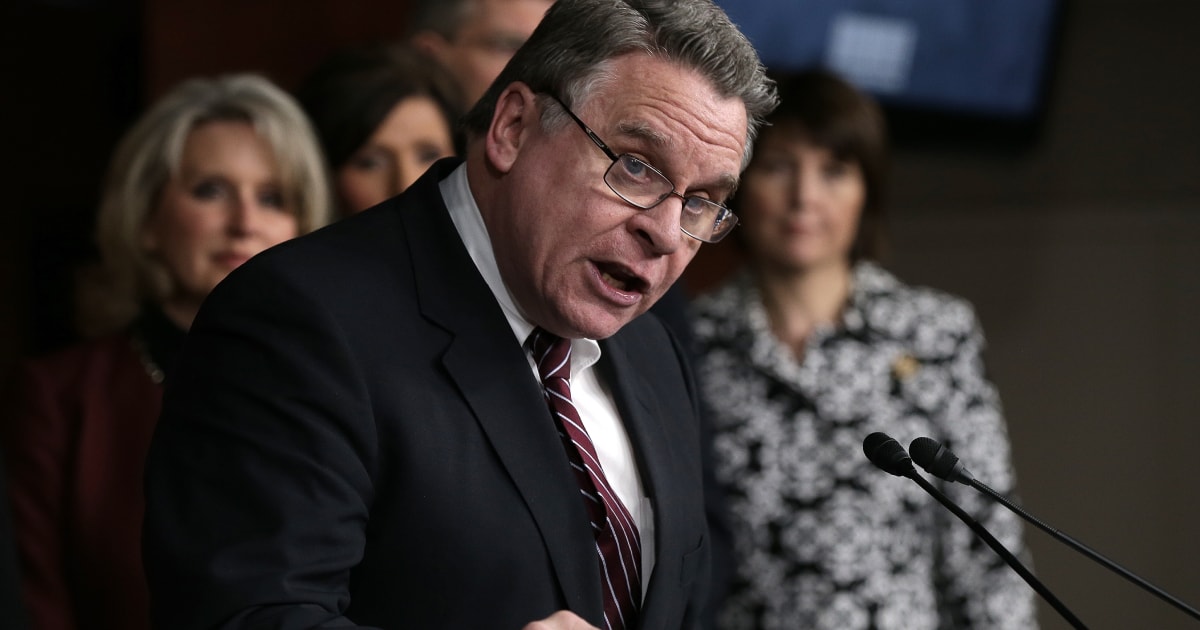
Rep. Chris Smith, a Republican congressman from New Jersey, said the Vatican had erred in giving a platform to Huang Jiefu, a leading Chinese transplant official, at the 2017 Summit on Organ Trafficking and Transplant Tourism organised by the Pontifical Academy of Sciences. Smith said that if the Vatican invites people involved in grave wrongdoing, it risks legitimising them by association.
The immediate context for the renewed criticism was a panel hosted by the Hudson Institute highlighting what participants described as fresh evidence of forced organ harvesting in China, particularly targeting Uyghur and other Turkic Muslim communities. One of the speakers, author Ethan Gutmann, discussed material from his new book, The Xinjiang Procedure, and described testimony gathered from former detainees in Chinese camps.
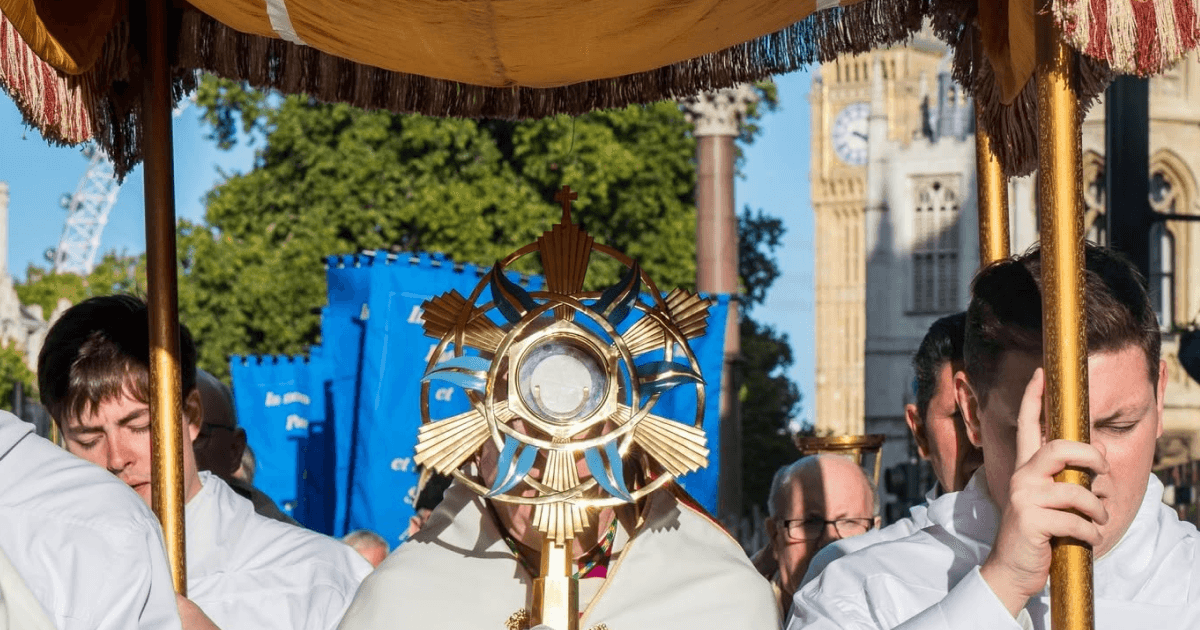
The Vatican conference in 2017 had aimed to unite experts against organ trafficking and transplant tourism. Participants signed a joint statement and proposed 11 measures for implementation by healthcare and law-enforcement professionals. Even at the time, however, China’s involvement was controversial. Doctors Against Forced Organ Harvesting said then that there was no evidence forced organ harvesting in China had ended, and warned that inviting Huang could compromise the meeting’s credibility.
Nina Shea, a senior fellow at the Hudson Institute and a long-time advocate on religious-liberty and human-rights issues, echoed Smith’s criticism. She told EWTN that the Vatican’s first responsibility should be to “do no harm” and argued that by hosting Huang it helped open doors for him internationally, including with the World Health Organization. Shea alleged that the Vatican’s support helped lend credibility to a Chinese official she described as the public face of the country’s transplant sector.
Shea also urged Pope Leo XIV to speak directly against forced organ harvesting, calling it a major human-rights issue that has not been sufficiently confronted on the world stage. In her view, the Pope possesses both the platform and the moral authority to raise the issue more forcefully.
Smith linked the moral criticism to current legislative efforts in Washington. He said the practice of forced organ harvesting should be criminalised more seriously at international level and expressed regret that earlier US legislation had stalled in the Senate. He is now backing the Stop Forced Organ Harvesting Act of 2025, which would require presidential sanctions on individuals and entities involved in the practice and would authorise the State Department to revoke passports from those found complicit. Smith said such measures could have a chilling effect on organ brokers.
The latest intervention does not establish new Vatican policy, nor does it include a fresh response from the Holy See to the criticisms. But it does reopen a sensitive question about how the Vatican should engage with officials from states accused of grave abuses: whether dialogue helps expose wrongdoing or risks conferring legitimacy on those accused of it. In this case, Smith and Shea have made clear that they believe the Holy See should now adopt a firmer and more public line.