


The Queen’s visit to Ireland is widely understood by most people in this country to be a series of occasions during which, by a series of powerful symbolic acts, she (as nobody else could, certainly no elected politician) is “drawing the line” under the troubled past relationship of our two peoples. With great magnanimity, most of the Irish people (and the Irish, as is well-known, have long memories) seem to be taking the visit in this light. We Brits should understand better than we do, however, just how much the Irish have had to remember, and how bitter the memory has been. Before that line is drawn under our common history it would surely be a good thing if the British people were, one last time (and probably in many cases for the first time), to recall what it is that the line is being drawn under. We Brits, in contrast to the Irish, have conveniently short memories. By the time this post is online, probably, the Queen will have visited Croke Park, heartland of Irish nationalism and of the Gaelic Athletic Association. (In 1918 the GAA was banned by the British government.) I understand that this visit to Croke Park is taking place at the suggestion of the President of Ireland, the very impressive Mary McAleese, who is clearly making sure that the visit gives Her Majesty every opportunity for her to acknowledge, on our behalf, our own part in creating the bitterness of the past. There is a good deal to acknowledge, for the fact is that we consistently behaved abominably in Ireland. We like to think of ourselves as a tolerant and civilised people; and on the whole we are. But we also have very selective memories; we are inclined to think that apart from a few untoward and probably unauthorised events, we can’t have been all that bad in Ireland. But what happened at Croke Park represents only the tip of a very large iceberg (of that, more presently). You can read about what happened on the first “Bloody Sunday” on the GAA’s website, in their own sober and incontrovertible account):
5:29 PM
Very few Brits understand how appalling our record in Ireland really is
Of course we must open ‘a new chapter’: but before we do, we must read and acknowledge the old one
William Oddie

8 min read



Already a subscriber? Sign in
5freearticles every month
Continue reading with a free account. No card needed.
- Five free articles every thirty days, on any device you sign in on
- The Catholic Herald newsletter, every morning
- Subscribe whenever you like for everything: every article and the magazine
Related articles
 Newsroom
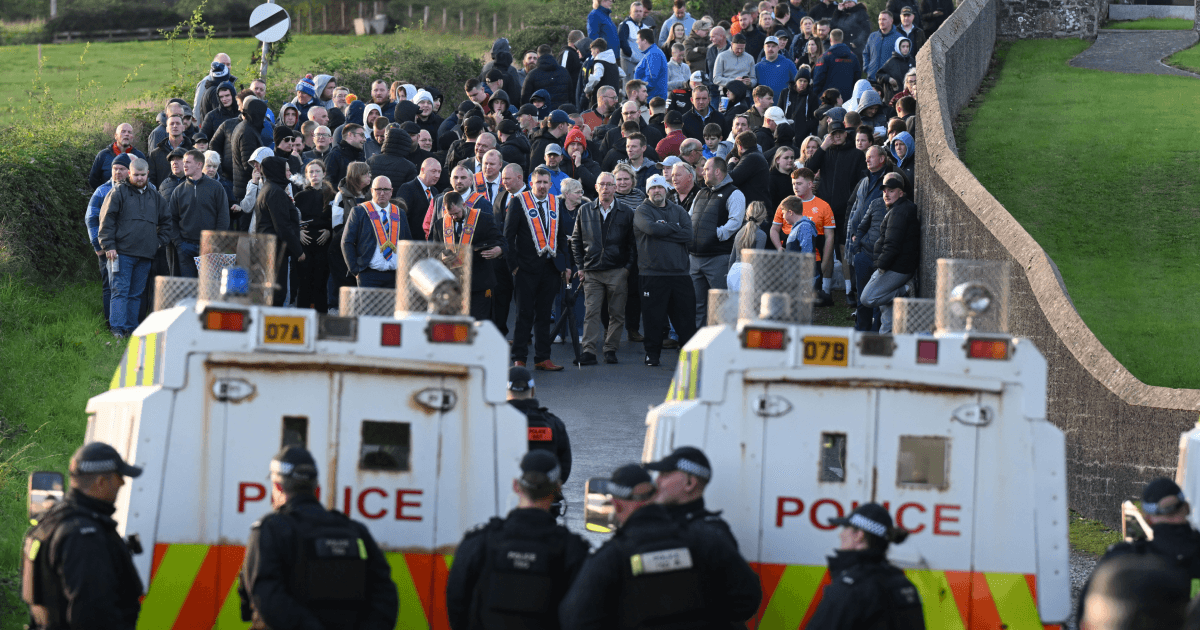
Church leaders urge Drumcree dialogue: ‘Too much is at stake’
The Catholic and Church of Ireland Archbishops of Armagh have urged a renewed commitment to peace and reconciliation amid the Drumcree stand-off
Corrie Douglas-Young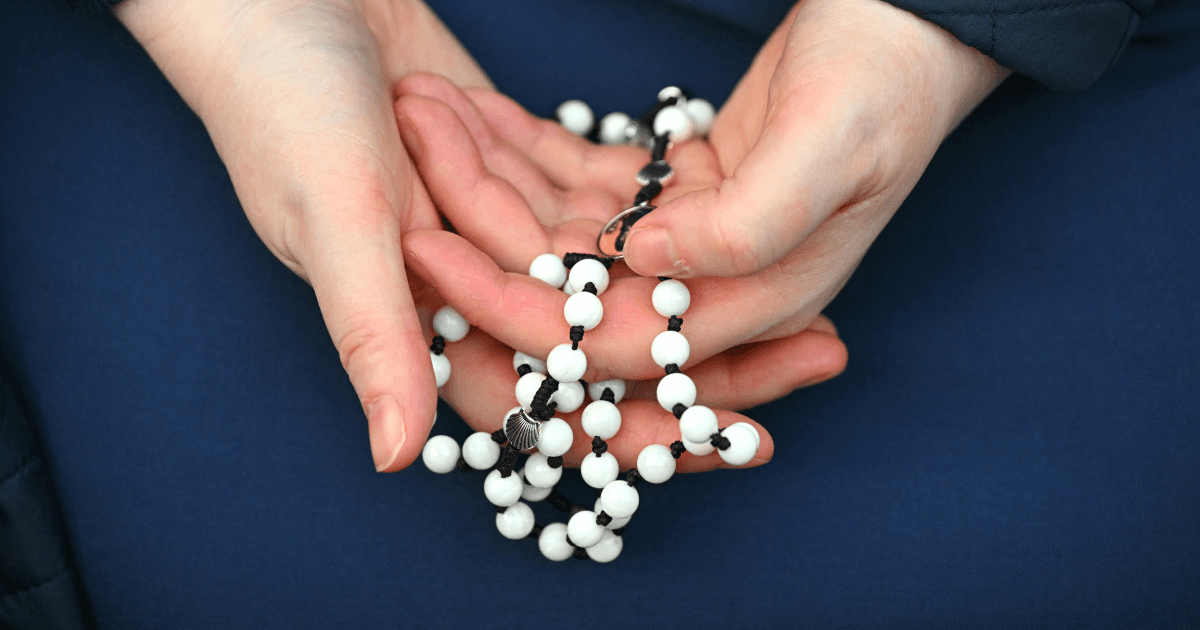 Newsroom
Thousands of Irish children to join global Rosary campaign
Corrie Douglas-Young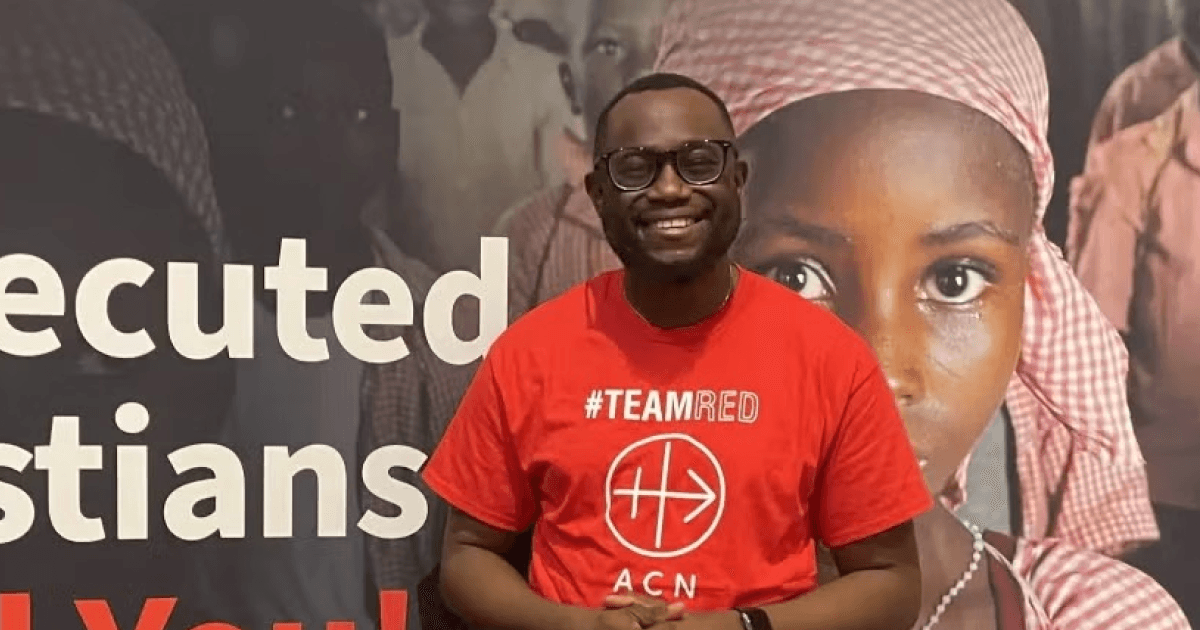 Newsroom
TikTok priest urges young people to stand with persecuted Christians
Nathalie Raffray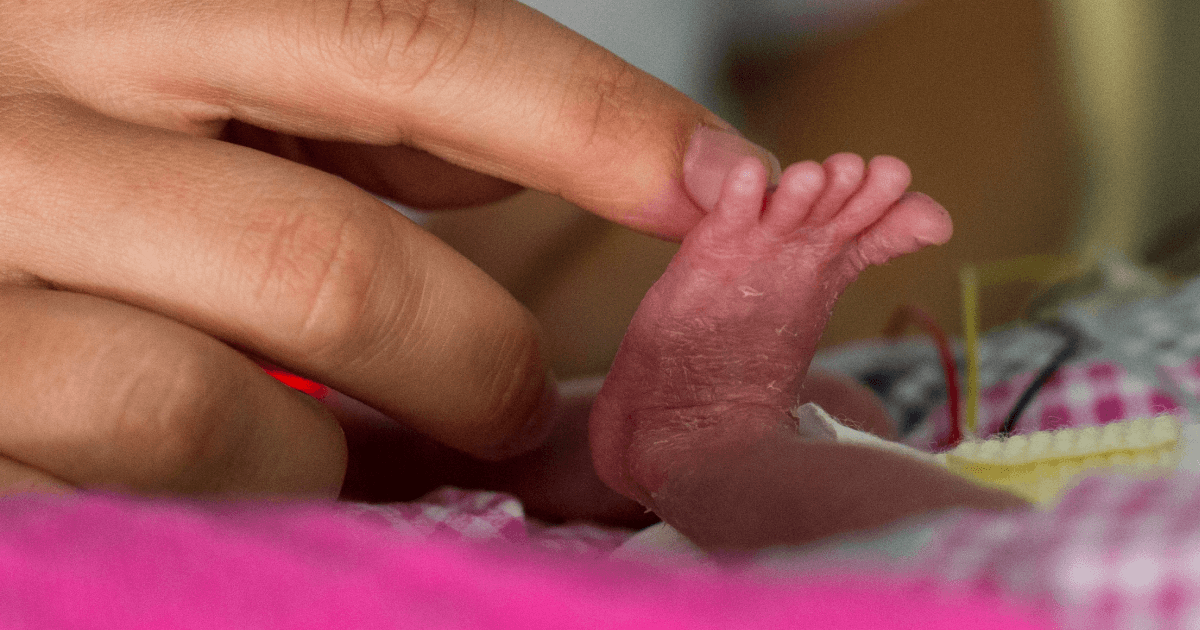 Newsroom
Baby born at 25 weeks reunites with neonatologist two years after leaving hospital
The Catholic Herald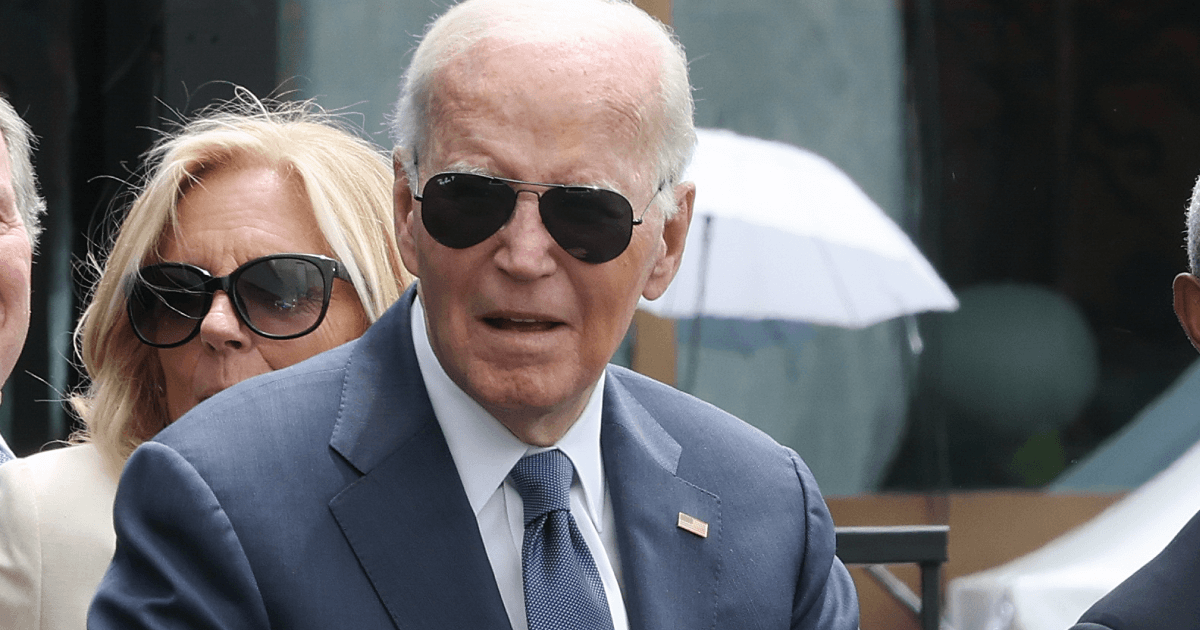 Newsroom
Joe Biden honoured by Planned Parenthood after defending abortion rights
Christine Rousselle
subscribe to the catholic herald today
Our best content is exclusively available to our subscribers. Subscribe today and gain instant access to expert analysis, in-depth articles, and thought-provoking insights—anytime, anywhere. Don’t miss out on the conversations that matter most.
Subscribe



