



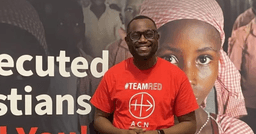
"The Pharisees and the scribes complained. ‘This man,’ they said, ‘welcomes sinners and eats with them.’” The most consistent complaint against Jesus was that he not only welcomed sinners, but went far beyond the social conventions of his day, sitting at their tables and sharing their food. The Father’s mercy, revealed in Jesus, was more than empty words. It took flesh in unconditional generosity that welcomed repentant sinners. Forgiveness is more than a grudging absolution; it is the joy with which the sinner is made welcome at our tables. We should not be too hasty in condemning the Pharisees who criticised Jesus for sharing his table with sinners. This simple gesture laid bare the limits of a purely human forgiveness. Like the Pharisees, we can so easily speak words of forgiveness, while continuing to isolate the offender behind a barrier of unspoken disapproval. It was in response to such criticism that Jesus confronted our limited mercy in the parable of the Prodigal Son. The parable is familiar and well loved. As sinners, we naturally identify ourselves with the Prodigal Son. Like the prodigal, we long for a mercy that we could not possibly deserve. Our return to God, like the return of the prodigal, can be uncertain and tentative. “Father, I have sinned against heaven and against you, I no longer deserve to be called your son, treat me as one of your paid servants.” The Prodigal Son could not believe that his father’s mercy would reach far beyond what he deserved. He was overwhelmed by the lavish banquet that, beyond any words, restored him to the Father’s love. Such is the generosity that invites us, week by week, to the Lord’s Eucharist. Let us never forget that the purpose of this parable was to call us to become merciful as the Father is merciful. The parable concludes with the resentment of the older brother. He could not share his Father’s generosity, concentrating instead on the illusion of what he thought he was owed. He had slaved for years without recognition. In the sight of the Father we, as sinners, are owed nothing. Still, the Father says to us, as he said to the older brother, “My son, you are with me always and all I have is yours.” Nothing undermines our relationship with the Father more than a refusal to forgive. This article first appeared in the March 4 2016 issue of The Catholic Herald. To download the entire issue for free with our new app, go here
12:30 PM
We should not be too hasty in condemning the Pharisees
Fourth Sunday of Lent: Jos 5:9-12; 2 Cor 5:17-21; Lk 15:1-3 & 11-32 (year c)
Bishop David McGough

3 min read



Already a subscriber? Sign in
5freearticles every month
Continue reading with a free account. No card needed.
- Five free articles every thirty days, on any device you sign in on
- The Catholic Herald newsletter, every morning
- Subscribe whenever you like for everything: every article and the magazine
Related articles
 Newsroom
Church leaders urge Drumcree dialogue: ‘Too much is at stake’
The Catholic and Church of Ireland Archbishops of Armagh have urged a renewed commitment to peace and reconciliation amid the Drumcree stand-off
Corrie Douglas-Young Newsroom
Thousands of Irish children to join global Rosary campaign
Corrie Douglas-Young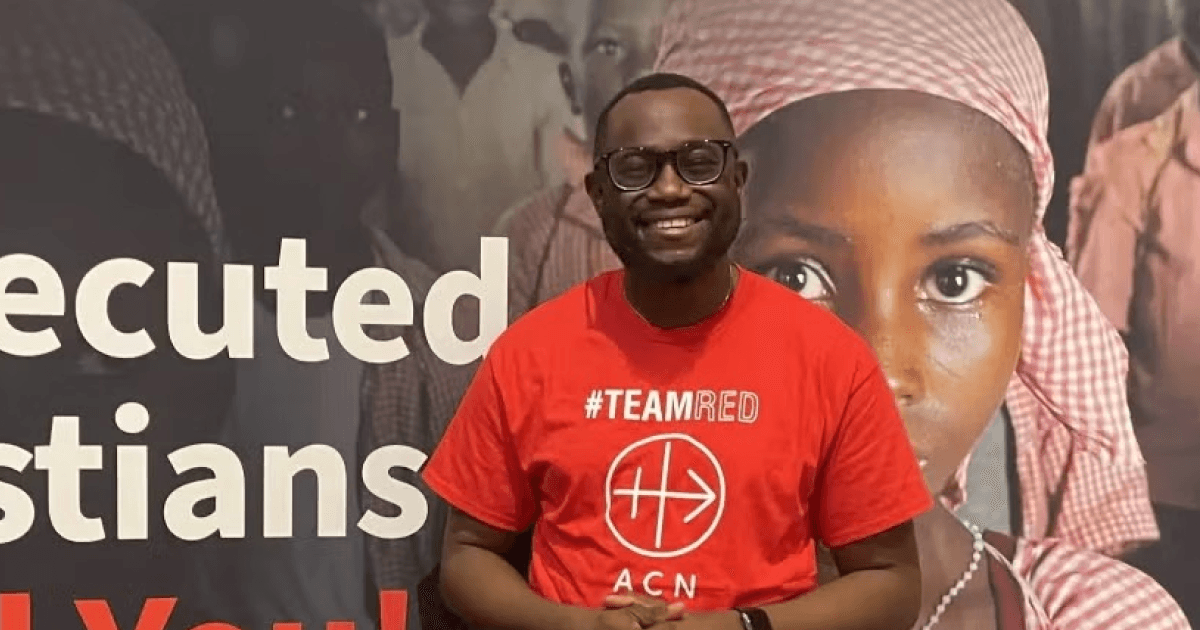 Newsroom
TikTok priest urges young people to stand with persecuted Christians
Nathalie Raffray Newsroom
Baby born at 25 weeks reunites with neonatologist two years after leaving hospital
The Catholic Herald Newsroom
Joe Biden honoured by Planned Parenthood after defending abortion rights
Christine Rousselle
subscribe to the catholic herald today
Our best content is exclusively available to our subscribers. Subscribe today and gain instant access to expert analysis, in-depth articles, and thought-provoking insights—anytime, anywhere. Don’t miss out on the conversations that matter most.
Subscribe



