



In late July of this year, Prime Minister Boris Johnson pledged to ban the “abhorrent” practice of “gay conversion therapy”: the controversial practice of attempting to change someone’s sexual orientation. “What we are going to do is a study right now on, you know, where is this actually happening, how prevalent is it, and we will then bring forward plans to ban it,” he said during his visit to a school in Kent. Nine countries, including Germany and Brazil, have already introduced nationwide conversion therapy bans, with legislators in Ireland, France, Spain, Canada, Australia and New Zealand also putting forward proposals to outlaw such practices. In America, 20 such state-wide bans have been enacted in the last decade. By the time these bills were being introduced, the once dominant “ex-gay” movement was already collapsing. In 2013, the same year the first US conversion therapy bans became effective in California and New Jersey, Exodus International, the largest umbrella organisation in the ex-gay movement, closed its 240 ministries in the US. The last president of the organisation, Alan Chambers, later said that it had a “99.9 per cent” failure rate. Today there are just 30 former Exodus International ministries still operating in the US; in the UK there is only a small band of organisations such as the Core Issues Trust, which continue to practise talk therapies designed to change sexual orientation. As with many such organisations today, they dispute the claim that they practise “conversion therapy”, which they believe more appropriately describes the “electro-shock and aversion techniques only ever conducted by medics” in the mid-20th century. This notorious strand of conversion therapy grew out of the work of a few post-Freudian psychoanalysts who, according to the historian Elise Chenier, thought that homosexuality was “caused by unhealthy parental relations resulting in feelings of anxiety toward heterosexuality” and that it could be corrected “through a careful programme of behaviour modification”. Though the brutal treatments of the early years were soon abandoned, the same basic assumptions were widely held by therapists in the 1960s and 1970s and would continue to provide the underpinning for the forms of “reparative therapy” promoted in some Christian circles during the 1990s. Today, many Church leaders support bans on the remnants of such conversion therapies for sexual orientation, but they retain concerns that the laws proposed in many countries could have the effect of impinging on religious freedom. Fr Philip Bochanski, executive director of Courage International, a Catholic apostolate which offers pastoral care to help “men and women with same-sex attractions in living chaste lives”, told the Catholic Herald that he is “fine with the State using its legitimate authority to say that people with no training and no licensure and no ethics shouldn’t be able to do harmful things to people”. However, he feels there have been cases where Courage has been “singled out” in conversion therapy debates, even though the apostolate, according to its own handbook, “does not ever require, provide or refer for any kind of therapy for any of its members”. Fr Bochanski fears legislators who want “to find some way to connect this legislation to the Catholic Church and to chill the ability and the willingness of people in the Church to speak clearly about the perennial teaching of the Gospel”. He says that this aim has resulted in some very imprecise legal definitions of conversion therapy. In the US, state conversion therapy bans, whilst consistently restricted to healthcare providers treating minors, nevertheless follow, often verbatim, New Jersey’s definition of conversion therapy: the “seeking to change a person’s sexual orientation, including, but not limited to, efforts to change behaviours, gender identity or gender expressions, or to reduce or eliminate sexual or romantic attractions or feelings toward a person of the same gender”. For Fr Bochanski, the phrase “efforts to change behaviours” means that “simply having a conversation with someone about how they’re feeling, who they’re attracted to and how they ought to respond to those attractions to live a virtuous life can be legally considered conversion therapy and can be subject to regulation and penalties.” Ryan T Anderson from the Heritage Foundation notes the additional problem of including a ban on efforts to change “gender identity”. Anderson, who has written widely on the harms of transition medicine for gender dysphoric children, says this means that “therapy to help a teen with a body-image struggle due to anorexia would be allowed, but the same therapeutic techniques to help a teen with a body-image struggle due to gender dysphoria would be prohibited”. For Anderson, this is “a straightforward case of viewpoint discrimination.” But he says it is even “worse” than that, because the goal of “having a middle-school girl feel comfortable being a girl” is a “good and proper one”, whereas sex-reassignment, puberty-blocking drugs and cross-sex hormones for teenagers “is bad medicine, violates medical ethics, and harms children”. Some prominent scholars who support the LGBT rights movement, such as Yale University’s Ryan Thoreson, have themselves begun to raise concerns that legislation could create “martyrs”. Thoreson has warned that “a rush to adopt punitive legislation” has “overshadowed the need to support survivors”. One such survivor of conversion therapy is the Presbyterian pastor Greg Johnson. He spoke to the Catholic Herald about how he grew up atheist and was “the gay kid” before his conversion 30 years ago, when he was baptised by a pastor in a conservative Presbyterian church and began to identify as “ex-gay”. He says he then underwent reparative therapy and “spent a lot of years trying to convince myself that I was a straight man with a disease”. Today Johnson identifies himself as “same-sex attracted” and is committed to living a celibate life. Currently completing a book on the ex-gay movement, he has mixed feelings about it. “The ex-gay movement did a lot to help Christians break cycles of sexual addiction. It provided a safe space where a lot of people could open up about their experience of their sexuality for the very first time. At its best it provided a safe place to wrestle through issues of faith and sexuality. The one thing it was not good at was the thing that gave the movement its name: it was not good at changing sexual orientation.” Instead of conversion therapy, Greg Johnson looks to earlier figures such as CS Lewis who offered a more traditional “paradigm of care” which “was about becoming holy not becoming heterosexual”. Like Fr Bochanski, he thinks conversion therapy bans are viable, provided they are “narrowly defined”. For him, this means banning therapy intended to change the sexual orientation of minors, whilst permitting therapeutic treatment to help children overcome gender dysphoria, since “those interventions do have some hard evidence of success, which ex-gay conversion therapy never had”. It remains unclear what Boris Johnson himself means by a ban on “gay conversion therapy” – and whether the government has done much thinking about the difficulty of framing such legislation.
6:28 PM
What are the implications of banning ‘conversion therapy’?
Thomas Caddick


6 min read



Already a subscriber? Sign in
5freearticles every month
Continue reading with a free account. No card needed.
- Five free articles every thirty days, on any device you sign in on
- The Catholic Herald newsletter, every morning
- Subscribe whenever you like for everything: every article and the magazine
Related articles
 Newsroom
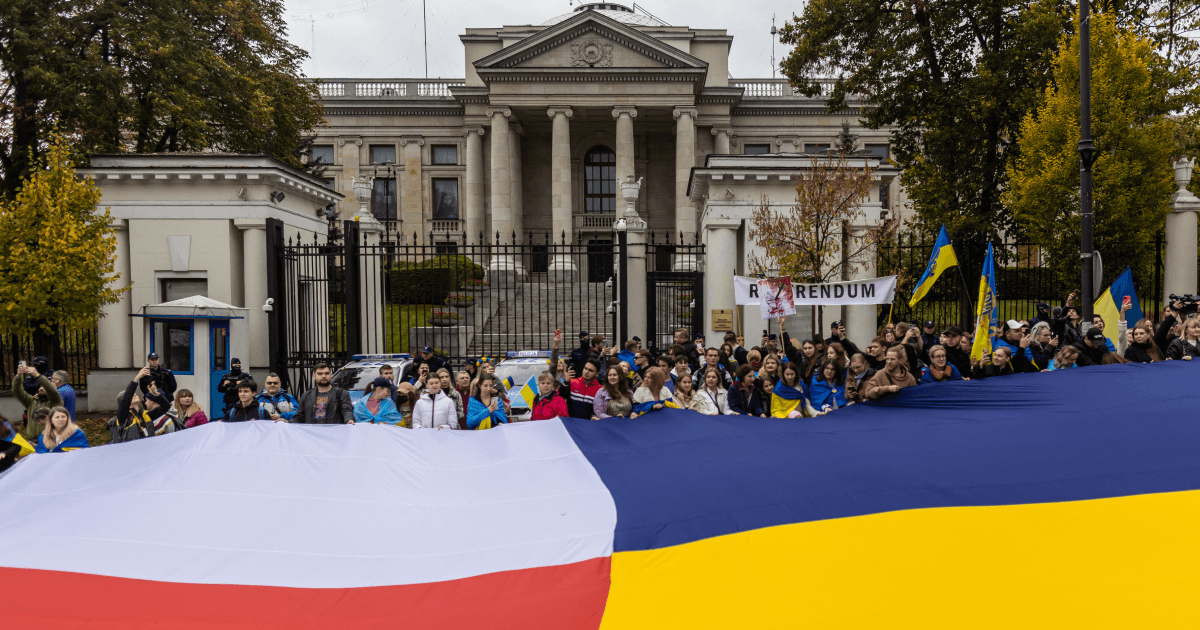
Injured priest tells Poles: ‘Do not blame Ukraine’ for convent attack
Fr Adrian Mantykiewicz, who was injured in the attack that killed a fellow priest, has urged Catholics to pray for the assailant and not blame Ukrainians for his actions
Corrie Douglas-Young Newsroom
Church leaders urge Drumcree dialogue: ‘Too much is at stake’
Corrie Douglas-Young Newsroom
Thousands of Irish children to join global Rosary campaign
Corrie Douglas-Young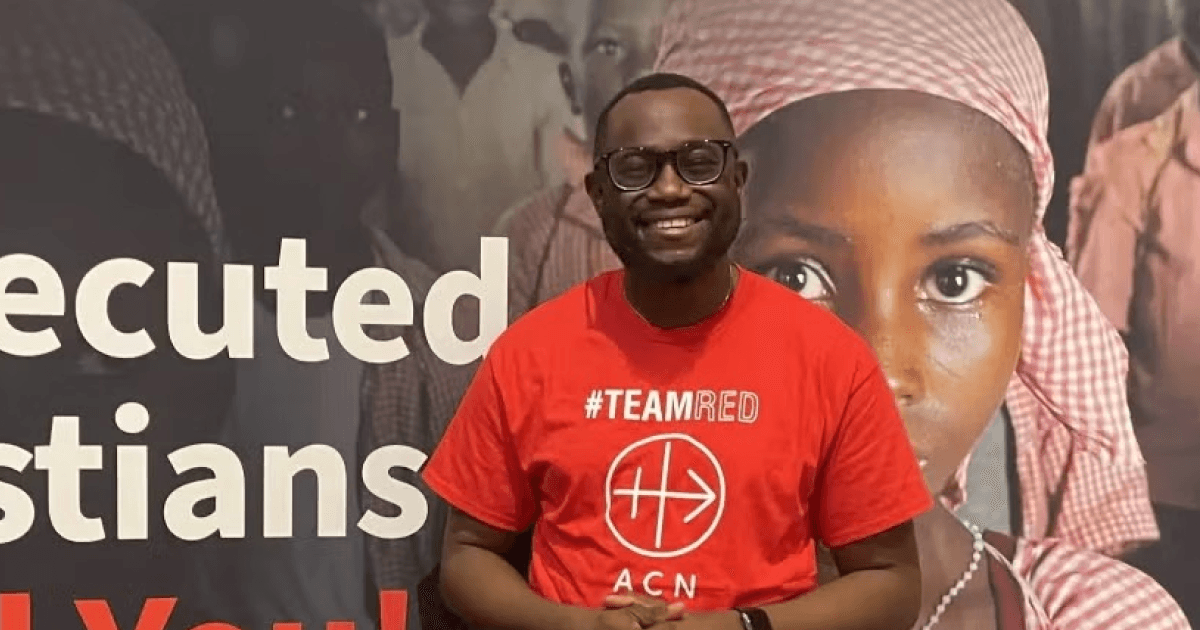 Newsroom
TikTok priest urges young people to stand with persecuted Christians
Nathalie Raffray Newsroom
Baby born at 25 weeks reunites with neonatologist two years after leaving hospital
The Catholic Herald
subscribe to the catholic herald today
Our best content is exclusively available to our subscribers. Subscribe today and gain instant access to expert analysis, in-depth articles, and thought-provoking insights—anytime, anywhere. Don’t miss out on the conversations that matter most.
Subscribe



