


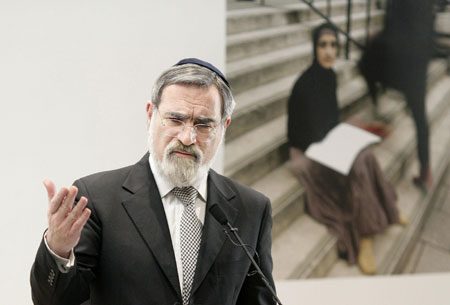
Religious leaders (with the exception of the Holy Father himself) tend not to operate in a specifically religious register when they are speaking about moral questions, to a general audience of those who may or may not be religious. They will rightly not, for instance, insist that you need to be religious to be moral. But they will insist that morality is relevant to public affairs. They will, that is, if they have anything to say in the first place. So what, if anything, are they saying about the Libor scandal? As a result of this affair, we are to have an all-party parliamentary committee of both Houses into the “culture and practices of banking”. It will, no doubt, come to the conclusion that careful assessment has been displaced by greed, reckless risk-taking and contempt for customers and that bankers are now unduly concerned at the size of their bonuses and will naturally behave in such a way as to maximise them. They will also conclude that this is inevitable without proper regulation, that so-called “light-touch” regulation is to blame for recent scandals and that new, strict standards of ethical conduct must be imposed on bankers by the Financial Services Authority and by the criminal law. It will suggest appropriate legislation to bring this about, and the Financial Services Authority will tighten up its controls. The conclusion, in other words, will be that bankers will of course necessarily behave badly, unless they are tightly controlled. We have heard nothing about the Libor scandal, so far as I can see, from our own bishops; perhaps they are still scratching their heads and wondering what Libor stands for (it is the London Interbank Offered Rate, your lordships), but don’t ask me how they fiddled it, or how the fiddle made anyone rich, since the whole point is, I thought, that the banks weren’t lending any money anyway, so nobody, in effect, was actually offering anything at all. But those in the know say it was all pretty dubious; so assuming it was, what is the moral to draw? The only religious leader to speak on the scandal so far, so far as I can see, has been the admirable and predictably coherent as well as forceful Rabbi Jonathan Sacks, who in the Times on Saturday said: “The banking scandals, rate fixing and resignations may have a silver lining if they awaken us to a fact about which we have been in denial for decades. Morality matters. Not just laws, regulations, supervisory authorities, committees of inquiry, courts, fines and punishments, but morality: the inner voice of self-restraint that tells us not to do something even when it is to our advantage, even though it may be legal and even if there is a fair chance it won’t be found out. Because it’s wrong. Because it’s dishonourable. Because it is a breach of trust. We are reaching the endgame of a failed experiment: society’s attempt to live without a shared moral code.” Rabbi Sacks, you will note, says nothing here about religion. This is because he wants to appeal to the idea of a shared moral code, so he doesn’t want to suggest that without religion you can’t have one. And of course he’s right: you can be a moral person without religion. You can even be a moral banker without religion. I have, as it happens, a good friend who is a very wealthy banker, and who has done more good in the world than anyone else I know including me, precisely because that is what he is. He has over the years been paid by his merchant bank many millions in bonuses. But since he has considered that he was already paid quite enough to make him as wealthy as anyone needs to be, he has simply put all the bonus money into a charitable trust, with which he does untold good to those less fortunate than himself. And he has very little time for what he would no doubt call “organised religion”. Now, you can certainly be a good and honourable person, even one who considers that doing good is a moral imperative, without religion. But there can be little doubt that it is a lot harder for most people, and certainly for society as a whole, effectively to believe this. It may be the case that as the Catechism of the Catholic Church has it: “Man participates in the wisdom and goodness of the Creator, who gives him mastery over his acts and the ability to govern himself with a view to the true and the good” – and that “the natural law is written and engraved in the soul of each and every man, because it is human reason ordaining him to do good and forbidding him to sin”. It is all true, very true. All the same, as the Catechism goes on to say: “This command of human reason would not have the force of law if it were not the voice and interpreter of a higher reason to which our spirit and our freedom must be submitted”: and the simple fact is that if you actually believe in the objective existence of that “higher reason”, and are part of a religious culture which is based on that belief, then the notion of a shared moral code is an awful lot easier to accept. Rabbi Sacks recently gave an interview to the Huffington Post in which he addressed the question of the role of religion in developing such a shared ethical code: “We have,” he said, “a natural moral sense”:
3:01 PM
What is the relevance of religious belief to the Libor scandal? We are hearing wise and persuasive words from Jewish thinkers: but what do our bishops say?
Why is it always Rabbi Sacks who gives rational and coherent moral guidance to our benighted society, and not any Catholic leader?
William Oddie

8 min read



Already a subscriber? Sign in
5freearticles every month
Continue reading with a free account. No card needed.
- Five free articles every thirty days, on any device you sign in on
- The Catholic Herald newsletter, every morning
- Subscribe whenever you like for everything: every article and the magazine
Related articles
 Newsroom
Church leaders urge Drumcree dialogue: ‘Too much is at stake’
The Catholic and Church of Ireland Archbishops of Armagh have urged a renewed commitment to peace and reconciliation amid the Drumcree stand-off
Corrie Douglas-Young Newsroom
Thousands of Irish children to join global Rosary campaign
Corrie Douglas-Young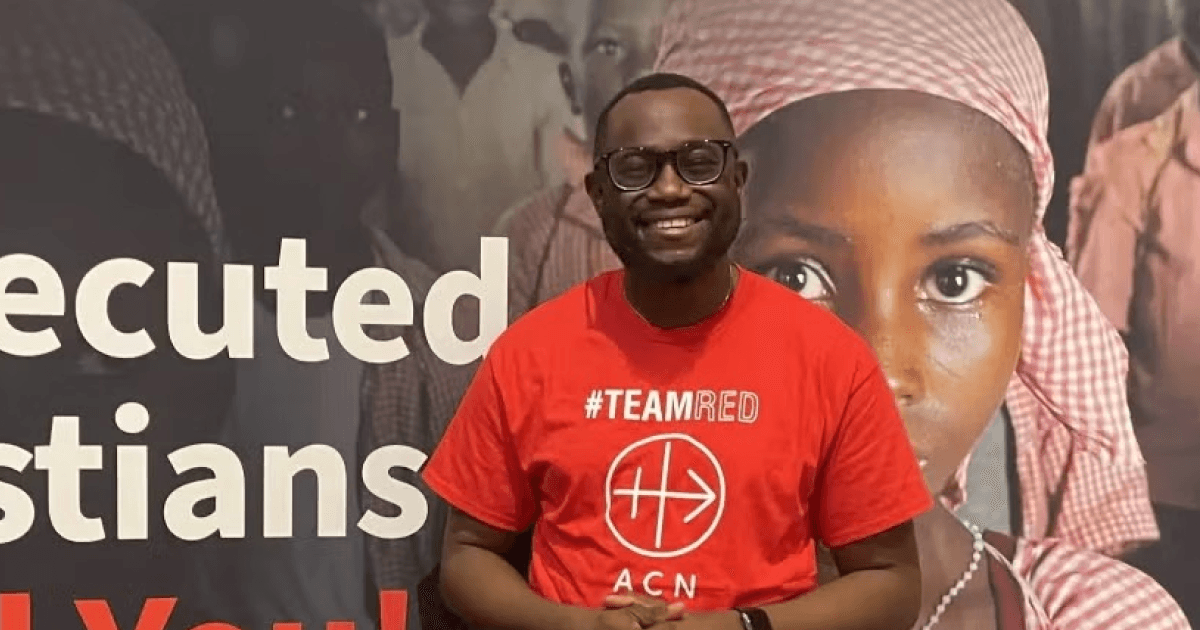 Newsroom
TikTok priest urges young people to stand with persecuted Christians
Nathalie Raffray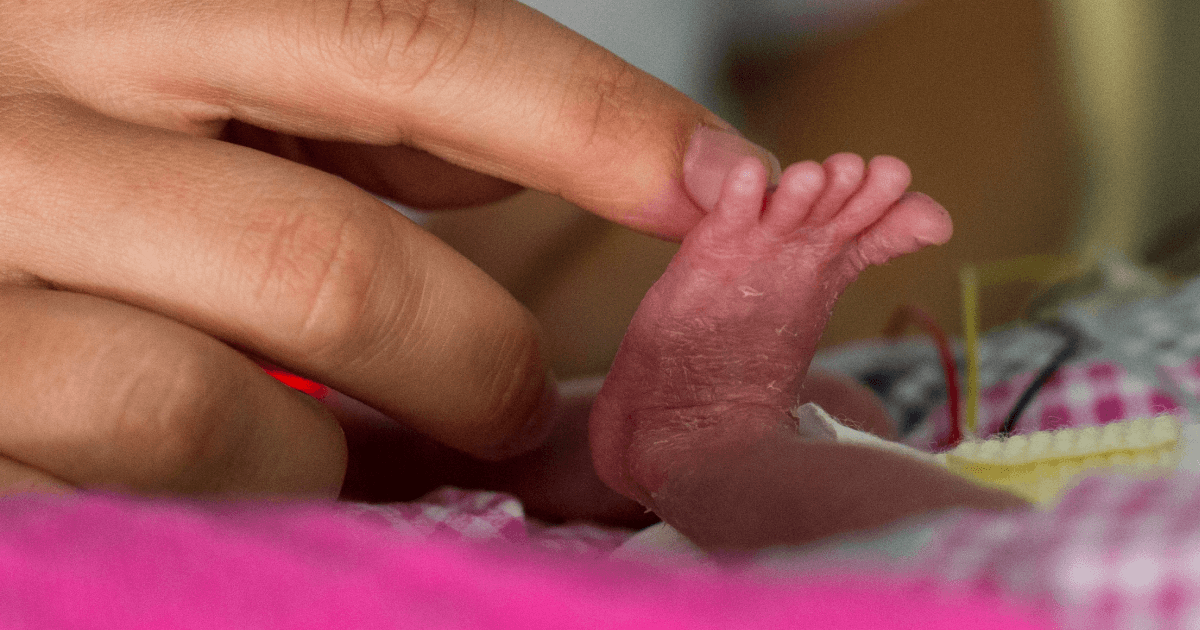 Newsroom
Baby born at 25 weeks reunites with neonatologist two years after leaving hospital
The Catholic Herald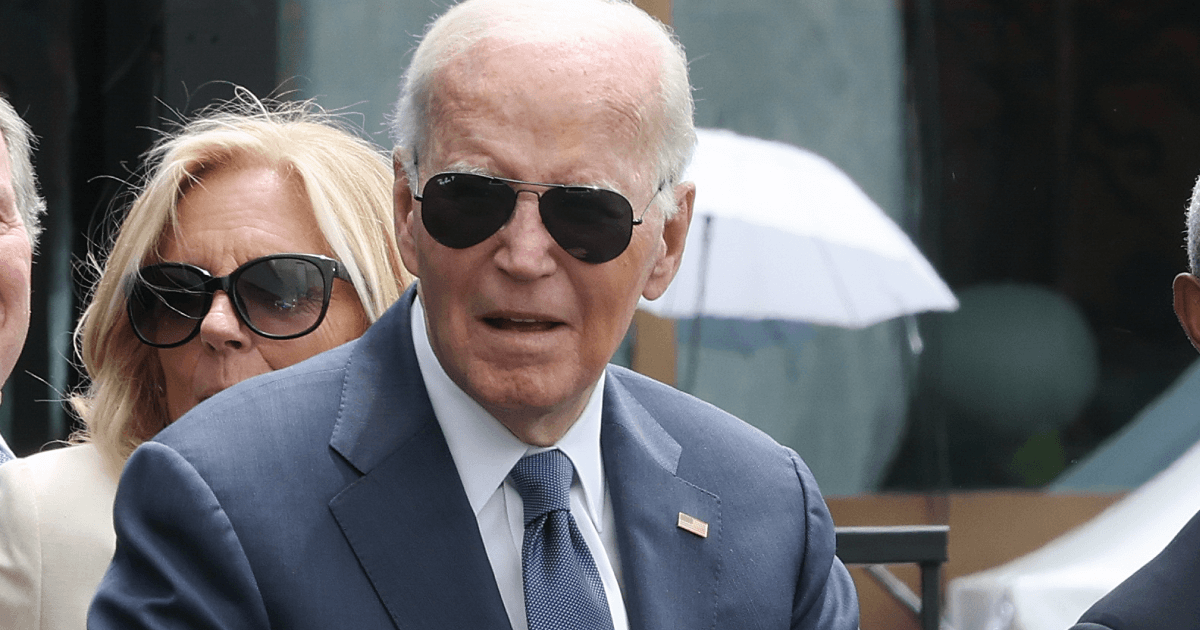 Newsroom
Joe Biden honoured by Planned Parenthood after defending abortion rights
Christine Rousselle
subscribe to the catholic herald today
Our best content is exclusively available to our subscribers. Subscribe today and gain instant access to expert analysis, in-depth articles, and thought-provoking insights—anytime, anywhere. Don’t miss out on the conversations that matter most.
Subscribe



