


We want a poor Church and a Church for the poor. That is something that everyone agrees on. The only question is, how can we promote a poor Church, and a Church that goes out to those who are on the margins? It is worth reflecting on just how a perceived "rich Church" damages the Christian Gospel, and get in the way of people hearing the Good News. There have been many examples of "rich churches" in history, and many examples of movements designed to bring the Church back to basics, the most famous of which was that initiated by St Francis of Assisi. Luckily there are many contemporary figures who remind one that the Franciscan way of doing things is still very much alive in the Church. The vast majority of these people are quite unknown to the general public, but I have met several of them. I am thinking, in particular, of those good nuns who lived in slum in Westlands, Nairobi, where they looked after abused women and children; and of those excellent missionaries who cared for the parish in the slum of Kibera, also in Nairobi. These priests and brothers did not visit the slum to minister to its people, but lived in it, and alongside the people there, sharing their daily hardships. And, of course, I also think of Mother Teresa and her sisters, who live with the poor and serve the poor, sharing their conditions. But of course Mother Teresa and her sisters are not alone in this: there are many religious orders who do the same, such as the Little Sisters of Jesus founded by Blessed Charles de Foucauld. I wonder what all these people would make of the German Church tax? The tax has a long and complex history that I have not the space to go into here. Rather, let us consider the tax as it is today. Tax is a very complex matter, but as far as I can see, this Church tax has several damaging consequences for the Church. First of all, it is coercive. You have to pay, or else leave the Church. But surely everything in the religious sphere should be voluntary? The state coerces, but God’s law never does. True we are all obliged to support our pastors, but we do so out of the goodness of our hearts (or should do); taxation is quite different. Secondly, it uses the state to collect money for the Church. This brings Church and state into an uncomfortably close alliance, which can be damaging for the Church. History is littered with examples of how damaging this relationship can be. Do we really want our pastors to be seen a state employees, or worse, state functionaries? Thirdly, the Church tax makes the Church uncharitable, in that if people refuse to pay the tax, they are then barred from the sacraments. This is simply wrong. The sacraments are free. No one should be made to jump through an administrative hoop in order to receive the sacraments. The only qualifications to receive the sacraments should be moral. Fourthly, the Church tax, when set so high, gives the Church huge resources. These can be put to good use, and no doubt often are, but at the same time, this will lead to scrutiny (quite rightly) and when mistakes are made, the consequences will not be good. Witness the so-called Bishop of Bling whose alleged spending made such headlines. (That large sums were spent is not in dispute; who was responsible may well be.) Finally, and most importantly, a rich Church is not really a good Church. This point was made in coded but unmistakeable language by no less a person than Benedict XVI (himself well known for his frugal lifestyle) in a speech to lay Catholics in Freiburg in 2011. He said:
2:07 PM
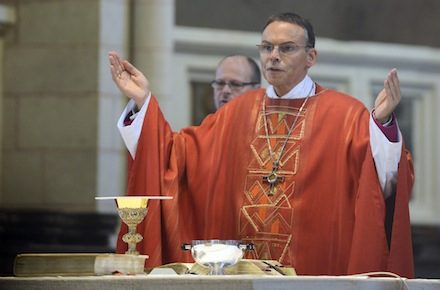
What would Mother Teresa have made of the fabulously wealthy German Church?
The German Church is superbly organised, but its coercive tax is weakening the Catholic faith
Fr Alexander Lucie-Smith

4 min read



Already a subscriber? Sign in
5freearticles every month
Continue reading with a free account. No card needed.
- Five free articles every thirty days, on any device you sign in on
- The Catholic Herald newsletter, every morning
- Subscribe whenever you like for everything: every article and the magazine
Related articles
 Newsroom
Church leaders urge Drumcree dialogue: ‘Too much is at stake’
The Catholic and Church of Ireland Archbishops of Armagh have urged a renewed commitment to peace and reconciliation amid the Drumcree stand-off
Corrie Douglas-Young Newsroom
Thousands of Irish children to join global Rosary campaign
Corrie Douglas-Young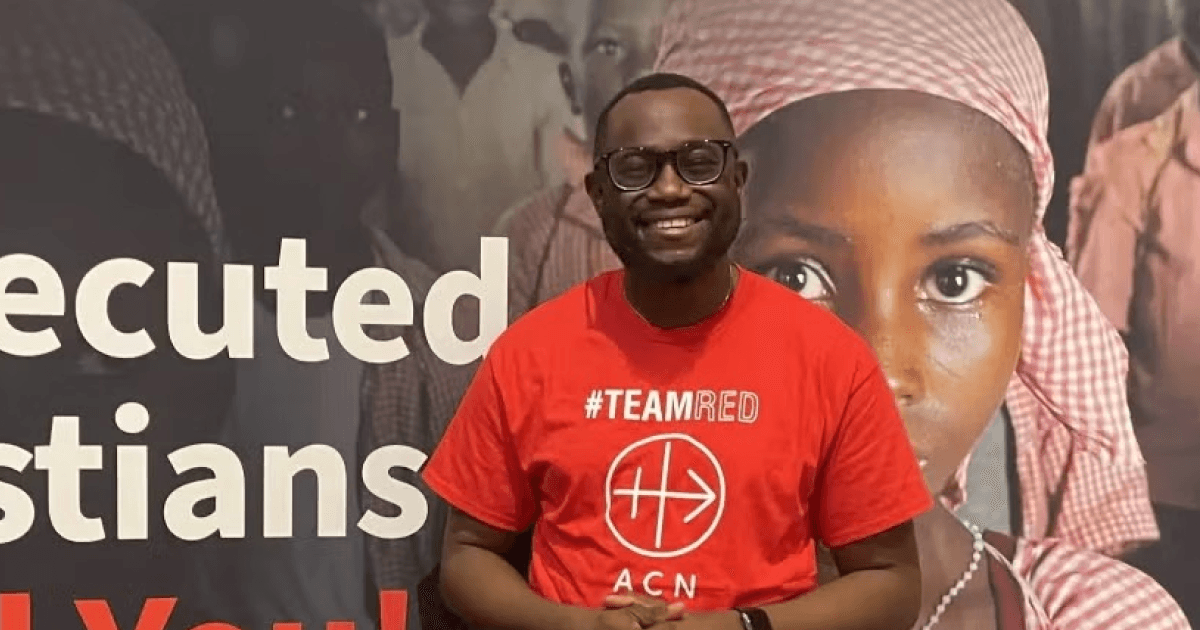 Newsroom
TikTok priest urges young people to stand with persecuted Christians
Nathalie Raffray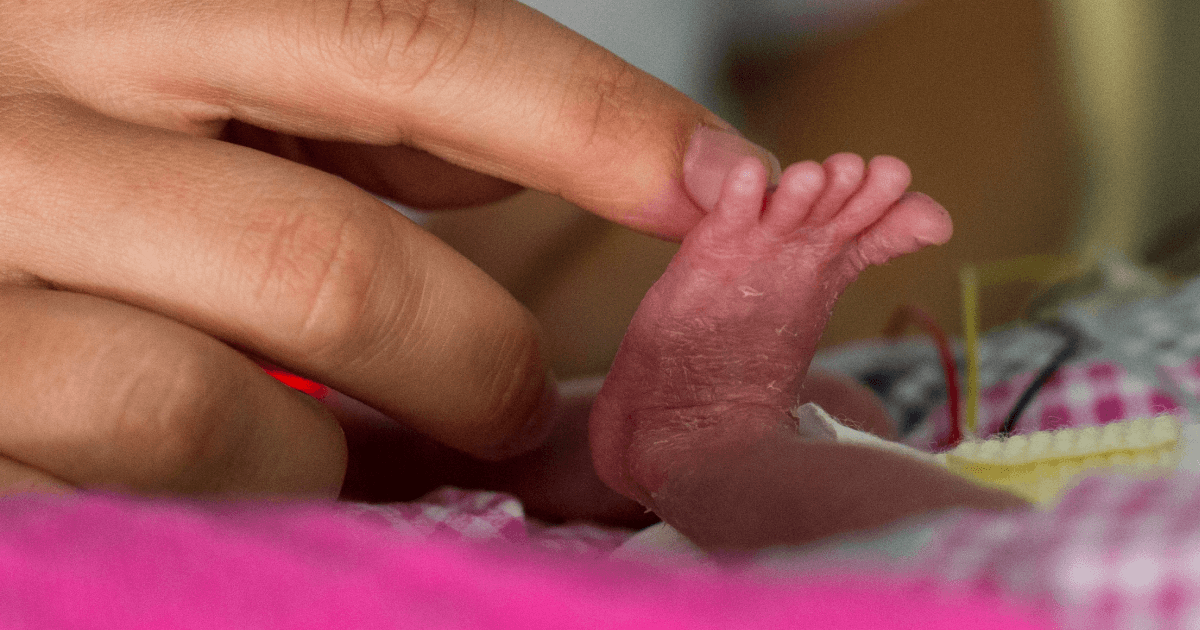 Newsroom
Baby born at 25 weeks reunites with neonatologist two years after leaving hospital
The Catholic Herald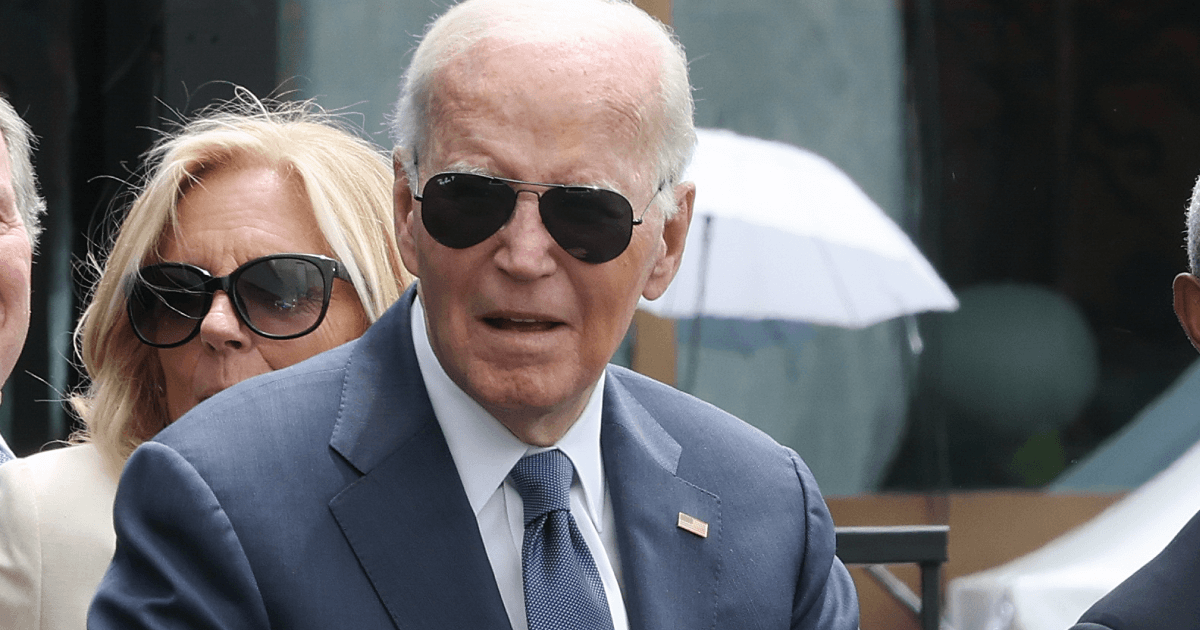 Newsroom
Joe Biden honoured by Planned Parenthood after defending abortion rights
Christine Rousselle
subscribe to the catholic herald today
Our best content is exclusively available to our subscribers. Subscribe today and gain instant access to expert analysis, in-depth articles, and thought-provoking insights—anytime, anywhere. Don’t miss out on the conversations that matter most.
Subscribe



