



Back in September 2003, the then mayor of Rome, Walter Veltroni, decided to hold what was known as a notte bianca in the capital. The idea was taken from Paris, and it was one of the many initiatives at that time to make Rome a better place for those who lived there all the year round, not just tourists. Shops, bars, restaurants, museums and galleries were to stay open all night. There were to be concerts and shows. The trains and buses would run until dawn. And a great success it was. I lived in Via del Corso in those days, and I went for a little walk at about ten o’clock before going to bed. The streets were crowded, every pavement café full. Then, at three thirty in the morning, disaster struck: the heavens opened, torrential rain fell, and the lights went out. Somewhere far to the north a tree had hit an electric cable and triggered a chain reaction, plunging the whole of Italy into darkness. About half a million people had to sleep in railway stations as the trains could not run. The traffic ground to a halt as the traffic lights failed. The white night had turned into something of a dark one. The electricity was not fully restored until the following afternoon. When I got up that morning, it was to hear the stories of people groping their way home, being trapped in lifts or spending hours in the darkness of Termini Station, never a very inviting place at the best of times. But, as you can read here (in Italian), despite the chaos, not a single crime was committed under the cover of darkness. Yes, you read that correctly. No arrests, no disturbances, no crimes, no disorder in the streets. An English friend said to me: “Can you imagine what it would have been like if this had happened in England? Every shop would have had its windows broken and its contents looted. But in Italy, people just quietly go home.” And so it is. Rome in those days often had political demonstrations, but they never turned violent. Public disorder of the type regarded as “normal” in the United Kingdom simply does not happen in Italy. These memories of the essential peacefulness of Roman life were triggered by a tweet from the author of the Cranmer blog in response to my latest posting:
11:35 AM
When it comes to brotherly love, we've got a lot to learn from the Italians
Fr Alexander Lucie-Smith on why so little violent crime happens in Italy
Fr Alexander Lucie-Smith

6 min read



Already a subscriber? Sign in
5freearticles every month
Continue reading with a free account. No card needed.
- Five free articles every thirty days, on any device you sign in on
- The Catholic Herald newsletter, every morning
- Subscribe whenever you like for everything: every article and the magazine
Related articles
 Newsroom
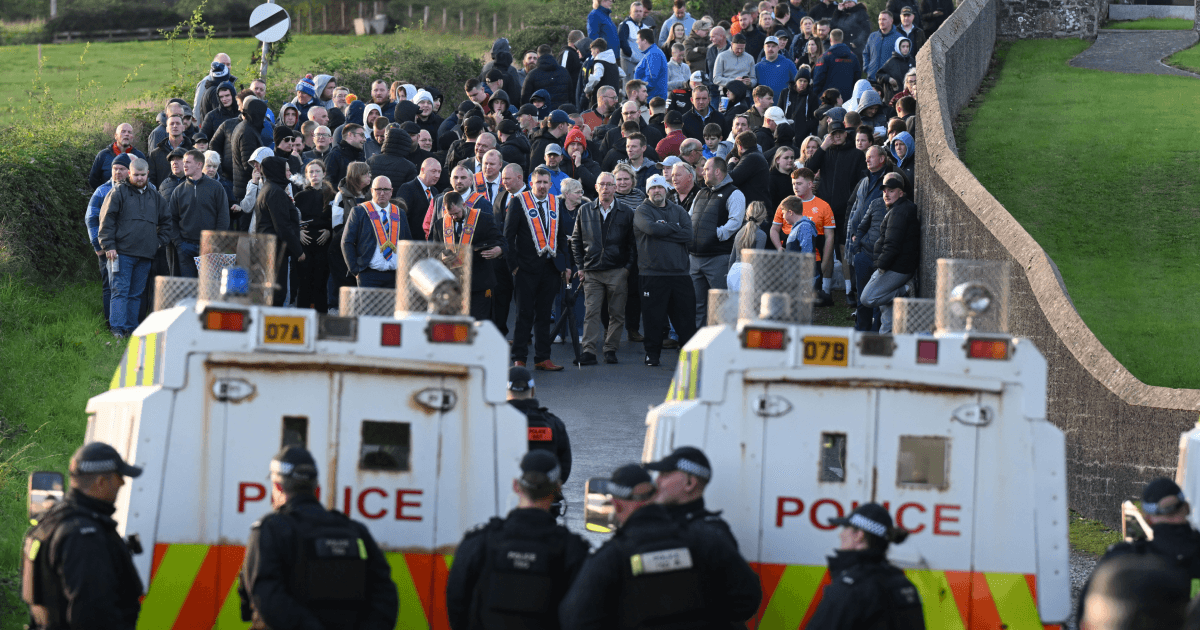
Church leaders urge Drumcree dialogue: ‘Too much is at stake’
The Catholic and Church of Ireland Archbishops of Armagh have urged a renewed commitment to peace and reconciliation amid the Drumcree stand-off
Corrie Douglas-Young Newsroom
Thousands of Irish children to join global Rosary campaign
Corrie Douglas-Young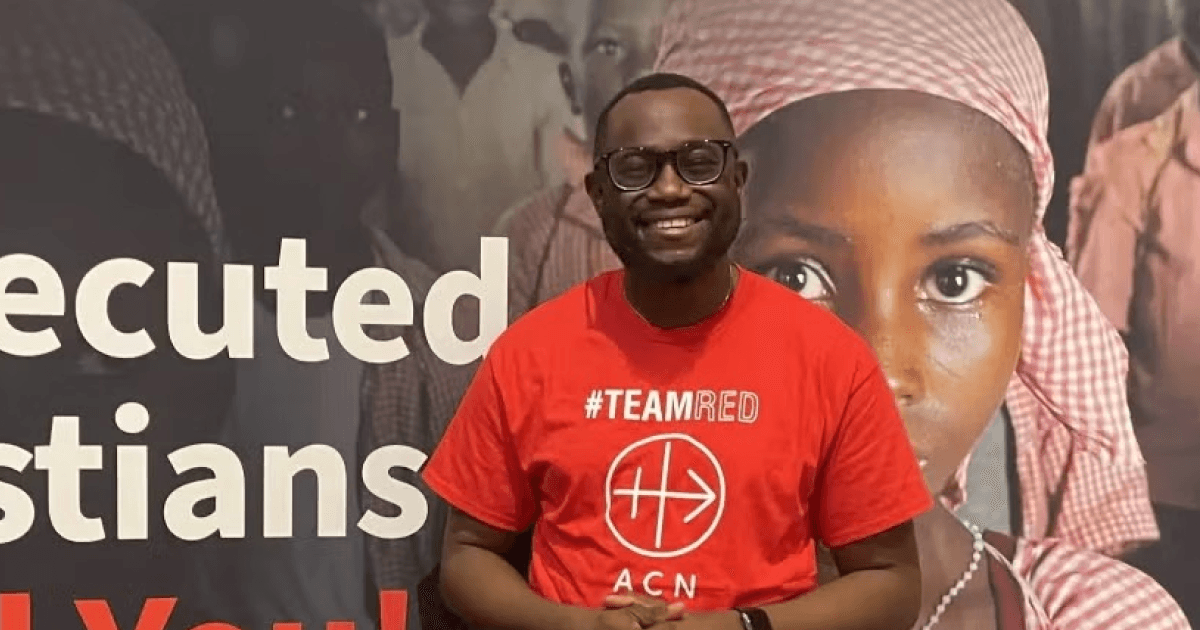 Newsroom
TikTok priest urges young people to stand with persecuted Christians
Nathalie Raffray Newsroom
Baby born at 25 weeks reunites with neonatologist two years after leaving hospital
The Catholic Herald Newsroom
Joe Biden honoured by Planned Parenthood after defending abortion rights
Christine Rousselle
subscribe to the catholic herald today
Our best content is exclusively available to our subscribers. Subscribe today and gain instant access to expert analysis, in-depth articles, and thought-provoking insights—anytime, anywhere. Don’t miss out on the conversations that matter most.
Subscribe



