

We often remember the Forty Martyrs of England and Wales individually – each has a compelling and moving story – and their common witness to the Faith was marked in different ways and at different times.
Of these 40, the martyrdoms break down into two timespans. The first eight – some of them the most memorable – were those killed under Henry VIII. Who can forget the scene relayed by St Thomas More to his daughter Meg when he witnessed the Carthusian martyrs going to their place of execution: “Lo, dost thou not see, Meg, that these blessed fathers be now as cheerfully going to their deaths as bridegrooms to their marriage?”

The second cohort – 32 of the 40 – died under Elizabeth I. While martyrs under Henry tended to be Catholics defending the existing Faith from the King’s depredations, those under Elizabeth were usually part of a necessarily secretive culture of underground Catholicism.
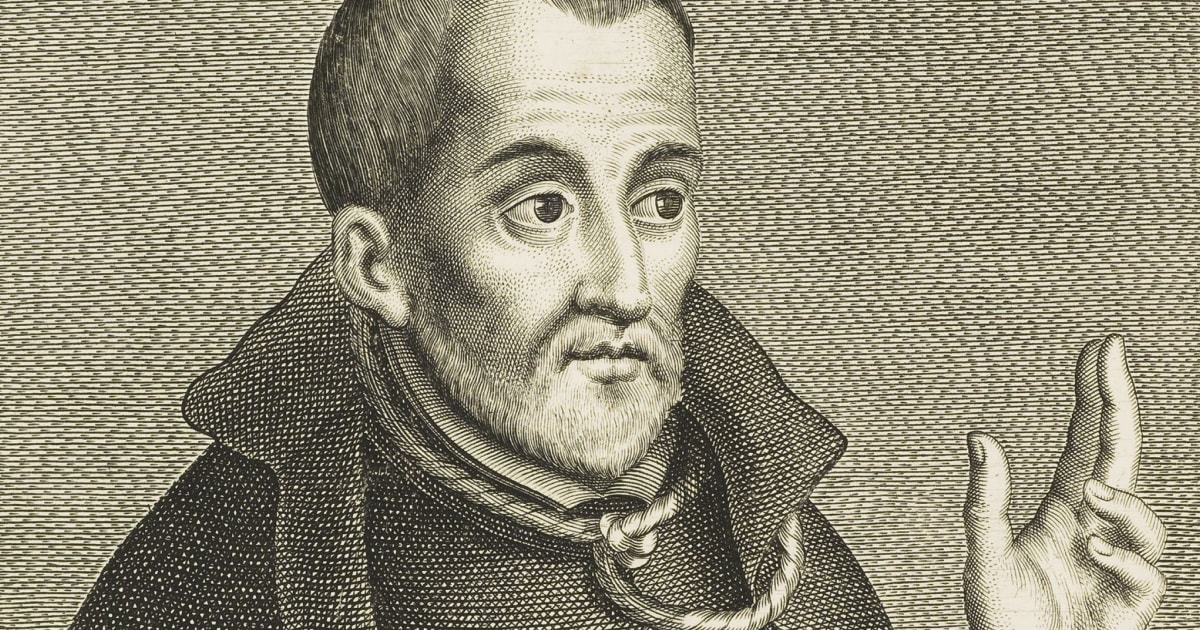
At least 10 of these had been raised and formed under the new Protestant religion and had become convinced of the truths of the Catholic Faith. Oxford was particularly important for this: while the university was under the thumb of the Elizabethan authorities, there lurked beneath the surface a Catholic milieu that fostered the growth of the Faith. St Edmund Campion and St Cuthbert Mayne both studied at St John’s College, St Ralph Sherwin at Exeter, and St Alexander Briant at Hart Hall. These were martyrs, but those who were not called to the martyr’s crown nonetheless donned the scholar’s cap and continued the intellectual life of English Catholicism abroad, especially at Douai and Rheims, where Catholics translated the Bible into the English tongue.
By the 1580s, many of those executed in England as Catholic priests had been formed on the continent: Rome, Douai, Rheims, Valladolid and other cities hosted English colleges founded expressly to train clergy for England. Nothing was certain upon their return to their native land except life-threatening danger. Newly ordained priests had no idea how long they might escape the priest-catchers. Sherwin, Briant and Mayne did not survive more than a year tending to their flocks. St Edmund Campion lasted only a little longer. St Eustace White managed six years, while St Polydore Pladen survived eight before being captured.
Unsurprisingly – given that ministering the sacraments was illegal – the majority of the Forty Martyrs are clergy: 34 clerics compared to six laypeople. Among these non-clerics, however, are some of the most vivid characters of this period of persecution: St Margaret Clitheroe and St Anne Line. They reflect the more popular aspect of the resistance to Elizabethan Protestantism as well as its pragmatic function: sheltering priests. ‘I am sentenced to die for harbouring a Catholic priest,’ Line asserted from the scaffold, ‘and so far am I from repenting for having so done, that I wish, with all my soul, that where I have entertained one, I could have entertained a thousand.’
The religious orders provided roughly two thirds of the clerical martyrs, among whom the Jesuits were most prominent. Campion, Southwell and their companions were formed by, and themselves formed part of, a comprehensive Catholic intellectual and spiritual milieu fostered by the Society of Jesus. But there were also Benedictines, Franciscans, Augustinians and the famous Carthusians. The Bridgettines had one martyr – St Richard Reynolds – and the female Religious of their Syon House managed to continue on the continent before returning to England in 1861. They eventually found a home in Devon, but have since been reduced to just three sisters at last account.
While we often speak of the Forty Martyrs, these were a varied group whose number was determined by those cases put forward for canonisation and raised to the altars by Pope Paul VI on the same day in 1970. Aside from these 40, there are 244 further beatified martyrs of England and Wales. Countless other saintly and heroic figures must have aided and abetted them in their struggles, whose names we may never know but who are surely known to God.


.jpg)
.jpg)