
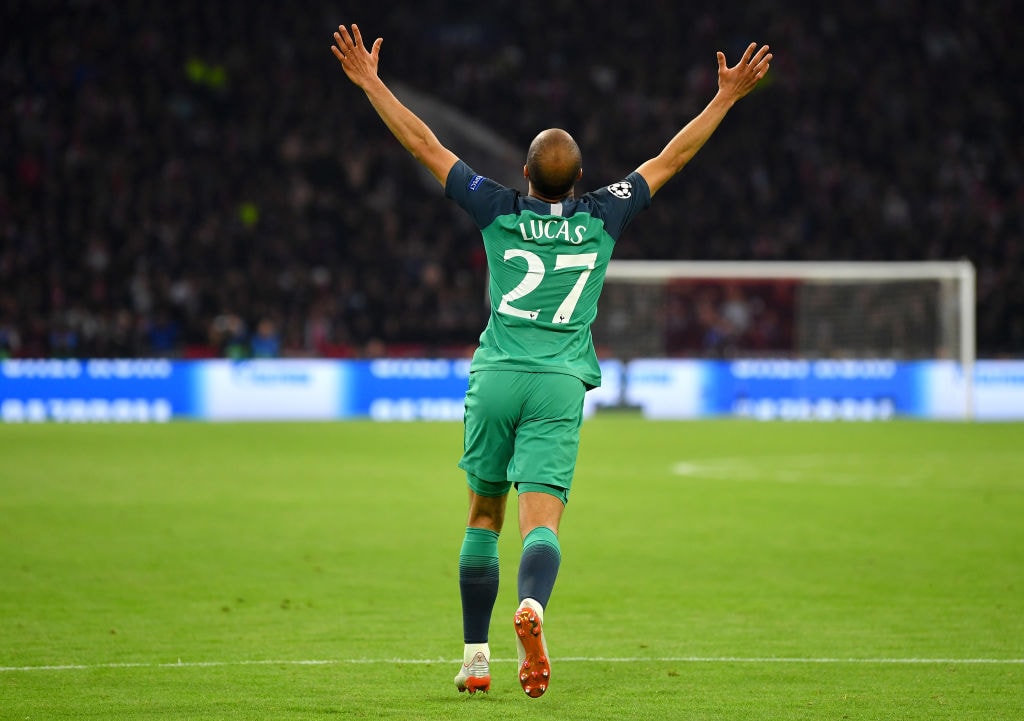
It was a week of minor miracles, though not as St Augustine might have conceived them. Even for those who have no interest in Champions League football, you would have had to be a hermit or a contrarian (perhaps they amount to the same thing) to have been immune to the coverage – there was a general sense of awe at two of the greatest comebacks in sporting history. That I managed to catch the matches at all was a small wonder. For those of us who don’t subscribe to BT Sport or Sky, following football can sometimes involve a strange juggling act: reading the ball-by-ball commentary on a mobile device; squeezing oneself into an overcrowded pub (which has a screen or two); or even the old-fashioned way of listening to the live radio broadcast. Sometimes a match involves all three (as was the case with Liverpool versus Barcelona). Radio, I find, is best: it exercises the imagination in way that television rarely does. How Liverpool managed to beat Barcelona – a team that in Lionel Messi possessed arguably the most gifted player ever to have kicked a ball – by overturning a three-goal deficit and scoring four goals, defied all reason. The following evening, Tottenham Hotspur’s Lucas Moura scored not only a hat trick but also the determining goal in the dying minutes of injury time to send the north London club through to an all-English Champions League final. In a post-match interview, in which he broke down in tears, the Brazilian winger stated: “God is wonderful … I always say that surprises me.” He also posted a thankful tweet that quoted Luke 1:37: “For with God nothing shall be impossible.” I wondered whether English players were as open about their Christianity as many of their Latin American colleagues. Perhaps they have less to be thankful for: one of Latin America’s gifts to the world has been its adeptness at the “beautiful game”.
2:00 PM
Why can't English footballers celebrate their Christianity?
it was a week of minor miracles, though not as st augustine might have conceived them. even for those who have no interest in champions leag...
Andreas Campomar

5 min read



Already a subscriber? Sign in
5freearticles every month
Continue reading with a free account. No card needed.
- Five free articles every thirty days, on any device you sign in on
- The Catholic Herald newsletter, every morning
- Subscribe whenever you like for everything: every article and the magazine

subscribe to the catholic herald today
Our best content is exclusively available to our subscribers. Subscribe today and gain instant access to expert analysis, in-depth articles, and thought-provoking insights—anytime, anywhere. Don’t miss out on the conversations that matter most.
Subscribe