February 12, 2026

Why Mexican Catholicism has lost ground since Trent

Todd Hartch
More
Related
Min read
share

In writing a book on Mexican Christianity, one question has been unavoidable: why has Protestantism grown and Catholicism declined – especially in the most indigenous areas of the country? Part of the answer, I think, has to do with the history of translation.

In the early decades after the conquest of Mexico in 1521, Franciscan, Dominican and Jesuit missionaries did a great deal of translation into indigenous languages such as Nahuatl (the language of the Aztecs), Mixtec, and Yucatec Maya. However, after the Council of Trent (1545-63) the Church in Mexico produced fewer and fewer catechisms, sermons, and Bible translations in indigenous languages. By the 18th century few priests knew these native languages and virtually no indigenous men had become priests.

Thus Mexican Catholicism developed two tiers. Spanish speakers heard sermons in their mother tongue and enjoyed a vast devotional, catechetical and theological literature. Speakers of indigenous languages, on the other hand, had little or nothing in their tongues. It is no wonder that indigenous Catholicism became rather eccentric and often heterodox, more focused on saints than on the Trinity.

Protestant linguists from the Summer Institute of Linguistics (SIL) began translating the Bible into indigenous languages in the mid-20th century. The Protestant missionary Artemisa Echegoyen, for instance, moved to a remote mountain village, learned the language of Eastern Otomi, created an orthography (alphabet) for it, and translated the New Testament. A number of people in the village of San Antonio el Grande, Hidalgo, were so entranced with Scripture that they became Protestants. Today they worship and preach in their native language, as do indigenous Protestants all over Mexico.

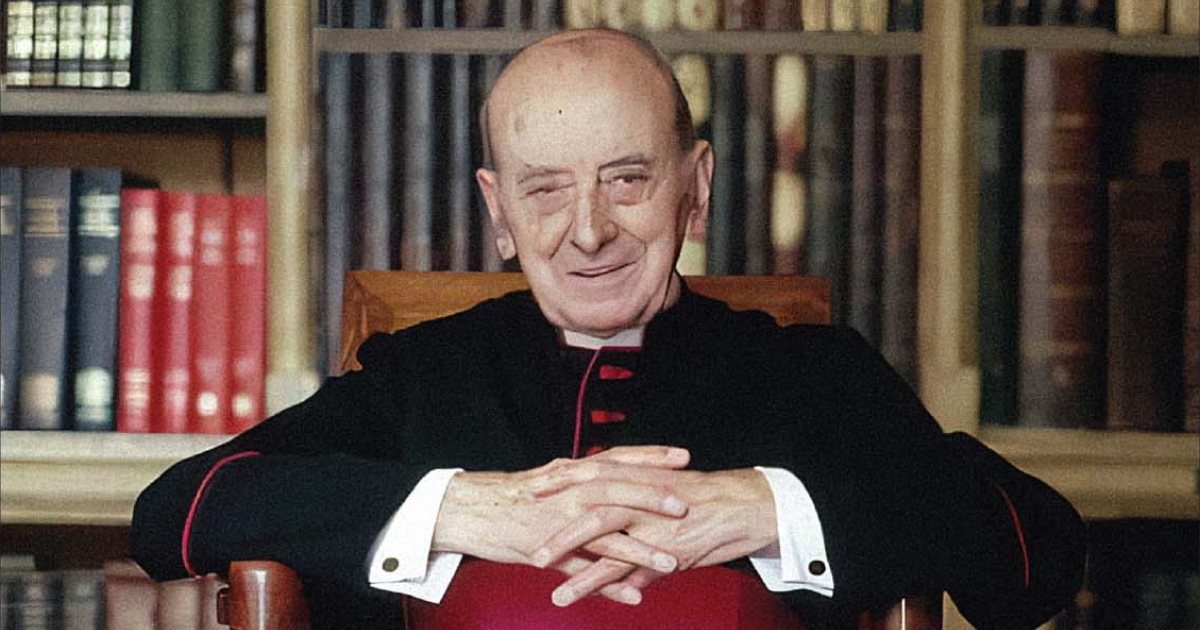
Compare the experience of the Catholic apologist Flaviano Amatulli. In one of his first assignments as a young priest, in the Chinantec town of San Felipe Usila in Oaxaca, he discovered that Echegoyen’s SIL colleagues were at work translating the Bible in three nearby villages and that his predecessor, Father Luis Pacheco Carrillo, had converted to Protestantism, along with many of his parishioners. Amatulli was also surprised to find that most of his parishioners were unfamiliar with basic Catholic doctrine.

This experience changed the trajectory of Amatulli’s life. In 1978 he founded a new ecclesial movement, the Apostles of the Word. For the next 40 years, Amatulli and his movement catechised Mexican Catholics and refuted the errors of Protestantism.

Amatulli wrote more than 70 books, started a seminary, and never stopped denouncing the “invasion of the sects”. To an extent, he was successful. Thousands of Mexicans read his materials, took his courses, and became more knowledgeable and committed Catholics. However, it is notable that, after he left Oaxaca, he worked and wrote in Spanish. No Catholic translation movement emerged. That unfortunate omission has weakened Mexican Catholicism to this day.

Todd Hartch is author of Understanding World Christianity: Mexico

In writing a book on Mexican Christianity, one question has been unavoidable: why has Protestantism grown and Catholicism declined – especially in the most indigenous areas of the country? Part of the answer, I think, has to do with the history of translation.

In the early decades after the conquest of Mexico in 1521, Franciscan, Dominican and Jesuit missionaries did a great deal of translation into indigenous languages such as Nahuatl (the language of the Aztecs), Mixtec, and Yucatec Maya. However, after the Council of Trent (1545-63) the Church in Mexico produced fewer and fewer catechisms, sermons, and Bible translations in indigenous languages. By the 18th century few priests knew these native languages and virtually no indigenous men had become priests.

Thus Mexican Catholicism developed two tiers. Spanish speakers heard sermons in their mother tongue and enjoyed a vast devotional, catechetical and theological literature. Speakers of indigenous languages, on the other hand, had little or nothing in their tongues. It is no wonder that indigenous Catholicism became rather eccentric and often heterodox, more focused on saints than on the Trinity.

Protestant linguists from the Summer Institute of Linguistics (SIL) began translating the Bible into indigenous languages in the mid-20th century. The Protestant missionary Artemisa Echegoyen, for instance, moved to a remote mountain village, learned the language of Eastern Otomi, created an orthography (alphabet) for it, and translated the New Testament. A number of people in the village of San Antonio el Grande, Hidalgo, were so entranced with Scripture that they became Protestants. Today they worship and preach in their native language, as do indigenous Protestants all over Mexico.

Compare the experience of the Catholic apologist Flaviano Amatulli. In one of his first assignments as a young priest, in the Chinantec town of San Felipe Usila in Oaxaca, he discovered that Echegoyen’s SIL colleagues were at work translating the Bible in three nearby villages and that his predecessor, Father Luis Pacheco Carrillo, had converted to Protestantism, along with many of his parishioners. Amatulli was also surprised to find that most of his parishioners were unfamiliar with basic Catholic doctrine.

This experience changed the trajectory of Amatulli’s life. In 1978 he founded a new ecclesial movement, the Apostles of the Word. For the next 40 years, Amatulli and his movement catechised Mexican Catholics and refuted the errors of Protestantism.

Amatulli wrote more than 70 books, started a seminary, and never stopped denouncing the “invasion of the sects”. To an extent, he was successful. Thousands of Mexicans read his materials, took his courses, and became more knowledgeable and committed Catholics. However, it is notable that, after he left Oaxaca, he worked and wrote in Spanish. No Catholic translation movement emerged. That unfortunate omission has weakened Mexican Catholicism to this day.

Todd Hartch is author of Understanding World Christianity: Mexico
subscribe to
the catholic herald

Continue reading your article with a subscription.
Read 5 articles with our free plan.
Subscribe

subscribe to the catholic herald today

Our best content is exclusively available to our subscribers. Subscribe today and gain instant access to expert analysis, in-depth articles, and thought-provoking insights—anytime, anywhere. Don’t miss out on the conversations that matter most.
Subscribe