April 5, 2026

Why more people are becoming Catholic this Easter

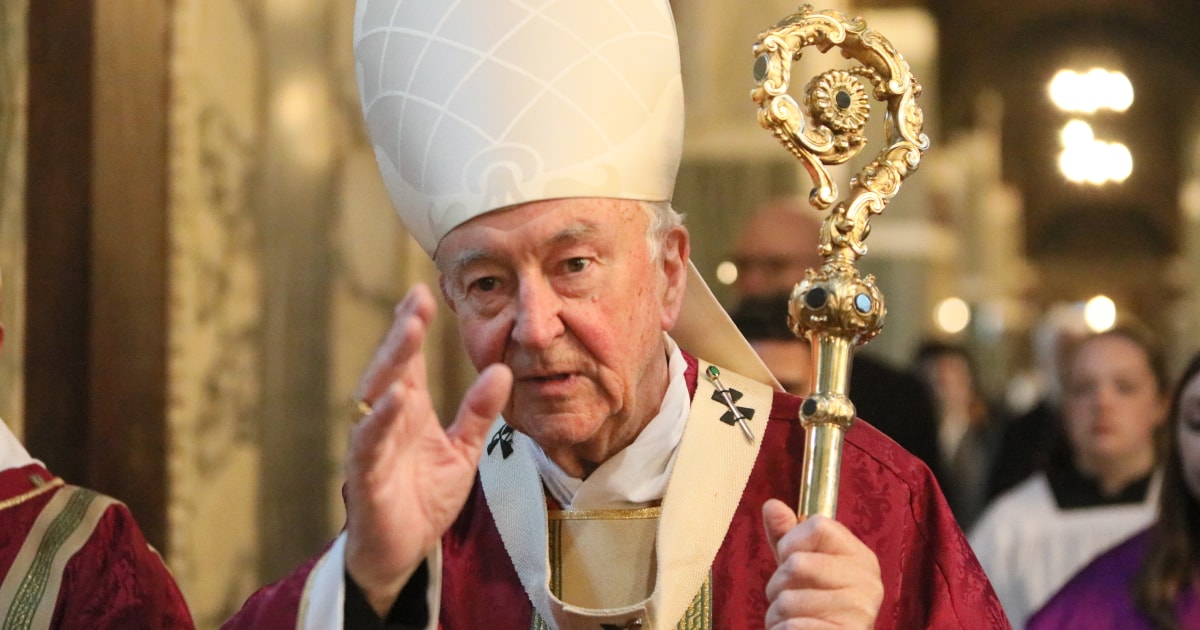
Cardinal Vincent Nichols
More
Related
Min read
share

At the Easter Vigil, in many churches, a number of people step forward to be baptised or to be received into the full communion of the Catholic Church. In the United Kingdom, that number is growing. Indeed, I understand that in the Diocese of Westminster these numbers have doubled over the last two years.

But this is about more than numbers. Each one of these people who comes forward, often sheepishly, has made a profound journey of heart, mind and soul. The step they take represents a shift in their life view, radically so for those coming to faith and baptism, less dramatic in those already baptised who are embracing, and being embraced by, the community of the Catholic Church.
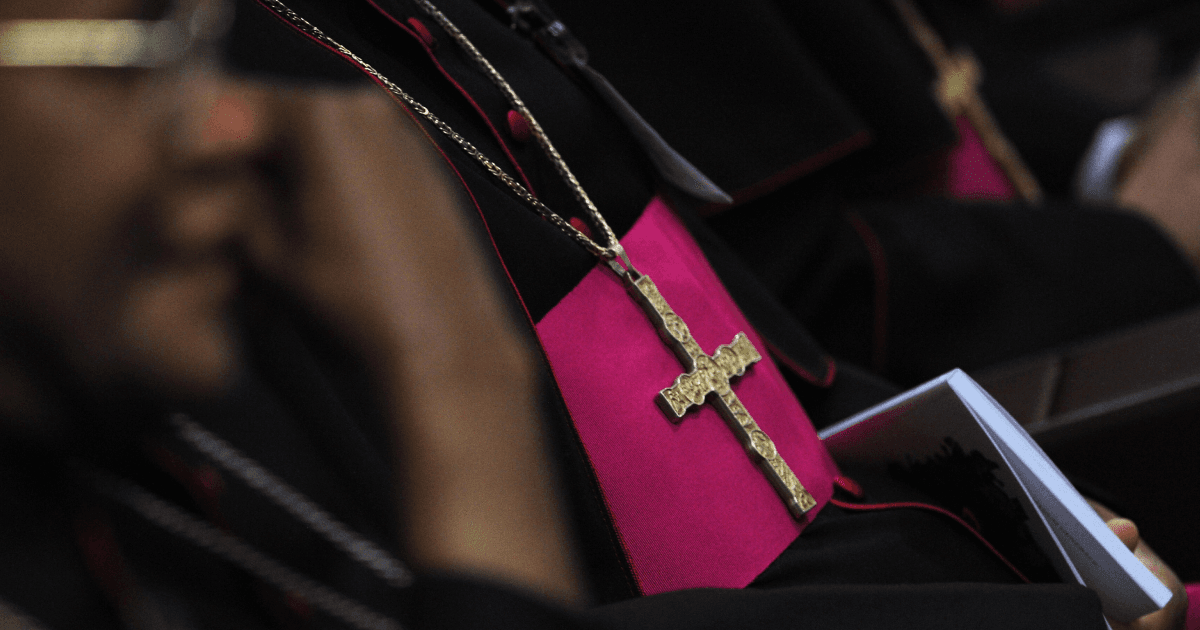
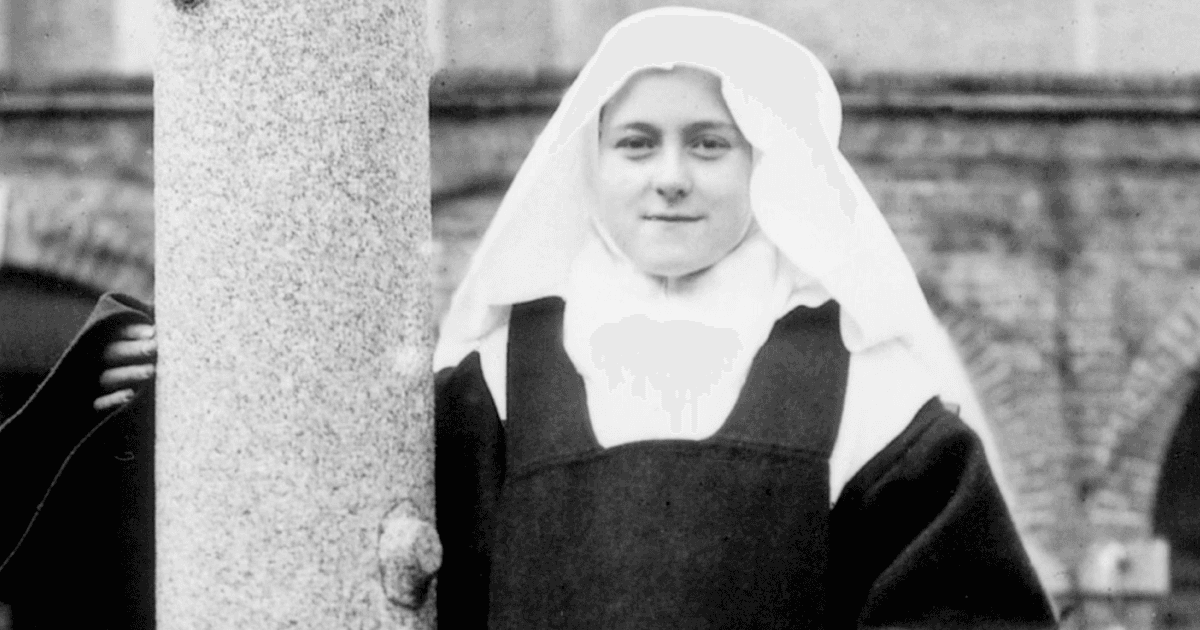
How can we ponder on the wonder of these personal journeys? Is it possible to identify some common features?

Each is a personal response to a call from God, and the action of God’s grace in our lives reveals some of the deepest, lasting truths of who we are, of our origins and of our destiny.

Over the years, I have met hundreds of people in the Rite of Election when they gather in cathedrals at the start of their formal journeys to Easter. These and other conversations have caused me often to ponder the consistent patterns that have become evident.

I find that there are four dimensions in these conversations which emerge again and again. For clarity, I present them here in order. Yet they play their part in any order, or mixed together, some stronger than others. I believe we should heed them as key factors in the ways we are to draw others into the great gift of faith.

First, I have noticed that few, if any, people make this journey alone. They are accompanied: by friends, by loved ones or at least by someone from their parish group. The warmth between them is so evident and so treasured. This journey into faith, then, is a lot to do with belonging. To whom do I really belong? To whom can I turn? On whom can I depend? These are crucial questions in an age which extols the autonomy of the individual, whether in matters of truth or of life and death, as in debates about abortion or assisted suicide.

Yet we are not isolated individuals. To insist radically on this is to perpetrate a lie. We belong to one another, in life-giving circles. We cannot stand alone. That is not how we have been built.

So the search for belonging, for being accepted, for being included, often figures powerfully in the journey into faith. This is so because that search takes us to the source of all belonging, to the origin of our life as the gift of God, who has created us as his daughters and sons, as sisters and brothers to each other, in a common gift of life. We truly belong. Slowly we come to recognise this truth of life and how, in the mystery of God, made visible in Christ, we are bound together.

Another dimension of this journey to faith flows logically from the first, yet may also stand on its own.

We are beings who seek meaning. We are disturbed by chaos, by lack of order, by shapeless living. We want to know what is reliable, steadfast, something by which we can set our course. Society offers many projects: careers, progress in material well-being, praised achievements, and other ways by which we may earn esteem and status.

Yet these can fade like morning mist. Is there nothing more?

Our faith offers a horizon by which we can set our direction and effort. It is the horizon of heaven and of the kingdom emerging here on earth. The Christian knows the true purpose of life and therefore has criteria by which to judge their actions and intentions. The Church, in its teaching, in its tradition of discernment, in its saints, in its art and poetry, opens for many a glimpse of true meaning, drawing many from the uncertainties of today to a more deliberate and purposeful pattern of life. And in Christ Jesus we have our way. He is our path to fulfilment.

Another dimension worth considering is the beauty of Catholicism. Every day, many hundreds of people enter Westminster Cathedral. For many, it is the first time they have entered a church, maybe for a long time or perhaps ever. What strikes them?

They often tell me: it is the space, the peace, the beauty. “I am spellbound!”

We are created to appreciate beauty, to be drawn by it, to be touched profoundly by beauty. This might be the beauty of nature, the beauty we see in the beloved, the beauty of art, music and poetry. This appreciation, however, is not an acquisitive instinct. A person who, on seeing a piece of art, immediately wants it for himself or herself, is more on the path of acquisition than appreciation. On the contrary, the truly human response to beauty is awe, amazement, an opening of heart and mind. I am taken out of myself before true beauty.

Today, this beauty is a powerful pathway to God. How can we ensure that our churches are indeed places of beauty? That moments in which beauty can be breathtaking are not minimised but treasured?

It seems to me that the appreciation of beauty, in all its forms, is often accompanied by a yearning for silence. It is within that silent, mutual presence that beauty works its magic. Yet silence is so difficult to achieve today. To enhance the pathway of beauty, we have to ensure there are times of silence in our lives and in our liturgies. Recently, I read a wonderful line of poetry by Gerard Manley Hopkins. He wrote: “Elected silence, sing to me!” It comes from his poem “Habits of Perfection” and is well worth a read. Often it is in silence that we hear the call of God, the music that entices us into God’s presence and embrace.

For the final dimension of the journey to faith, I would like to tell of a moment that had a profound effect on me. In one parish, I met a woman who was to be baptised. She had been coming to Sunday Mass for almost twenty years, caring for her children according to the wishes of her husband, who himself did not bother much. I asked why she was taking this step. After a number of unsuccessful suggestions on my part, she declared: “I don’t understand why, but what happens on that altar affects me very deeply.”

Quite often, there is great admiration among people for actions of selfless generosity, actions of self-sacrifice. Often astonishment is expressed at the motivation that gives rise to them: loyalty, love, courage. What this woman recognised instinctively was that “on the altar” was being enacted the great and total sacrifice of Jesus, who gives his all for our freedom. Here, the suffering of every sacrificial action, every sacrifice made in family life, in comradeship, in service of others, in faithful love, is summed up in Christ and offered to the Father, the Lord and giver of life. Thus sacrifice and suffering cease to be meaningless and become a beacon of gracefulness in our world. And that leads us to the finest gift entrusted to the Church, the holy sacrifice of the Mass.

Appreciation of the wonder and awe of the Mass and of adoration of the Blessed Sacrament are so often present in the journeys of faith which we celebrate at this time. Perhaps the increased interest in making this journey, especially among younger adults and among men, gives us an insight into the deeper needs felt within our culture today. Each of these dimensions of a journey to faith is a simple demonstration that our faith is the one solid source and foundation for lasting social cohesion and for a life-giving culture.

This, then, is the challenge of the mission before us: it is profoundly personal, deeply human. It is a challenge to which all can contribute through their own relationships and within their own lives. At its heart is the person of Jesus. Personal contact with our Blessed Lord, through personal prayer and conversation with him, through the liturgy of the Church, is the key to renewal of faith and its proclamation.

One day, I asked a woman, married to a Catholic for over twenty years and now seeking full communion, what had taken her so long. Her answer: “Nobody ever asked me!”

This, too, is well worth pondering.

At the Easter Vigil, in many churches, a number of people step forward to be baptised or to be received into the full communion of the Catholic Church. In the United Kingdom, that number is growing. Indeed, I understand that in the Diocese of Westminster these numbers have doubled over the last two years.

But this is about more than numbers. Each one of these people who comes forward, often sheepishly, has made a profound journey of heart, mind and soul. The step they take represents a shift in their life view, radically so for those coming to faith and baptism, less dramatic in those already baptised who are embracing, and being embraced by, the community of the Catholic Church.
How can we ponder on the wonder of these personal journeys? Is it possible to identify some common features?

Each is a personal response to a call from God, and the action of God’s grace in our lives reveals some of the deepest, lasting truths of who we are, of our origins and of our destiny.

Over the years, I have met hundreds of people in the Rite of Election when they gather in cathedrals at the start of their formal journeys to Easter. These and other conversations have caused me often to ponder the consistent patterns that have become evident.

I find that there are four dimensions in these conversations which emerge again and again. For clarity, I present them here in order. Yet they play their part in any order, or mixed together, some stronger than others. I believe we should heed them as key factors in the ways we are to draw others into the great gift of faith.

First, I have noticed that few, if any, people make this journey alone. They are accompanied: by friends, by loved ones or at least by someone from their parish group. The warmth between them is so evident and so treasured. This journey into faith, then, is a lot to do with belonging. To whom do I really belong? To whom can I turn? On whom can I depend? These are crucial questions in an age which extols the autonomy of the individual, whether in matters of truth or of life and death, as in debates about abortion or assisted suicide.

Yet we are not isolated individuals. To insist radically on this is to perpetrate a lie. We belong to one another, in life-giving circles. We cannot stand alone. That is not how we have been built.

So the search for belonging, for being accepted, for being included, often figures powerfully in the journey into faith. This is so because that search takes us to the source of all belonging, to the origin of our life as the gift of God, who has created us as his daughters and sons, as sisters and brothers to each other, in a common gift of life. We truly belong. Slowly we come to recognise this truth of life and how, in the mystery of God, made visible in Christ, we are bound together.

Another dimension of this journey to faith flows logically from the first, yet may also stand on its own.

We are beings who seek meaning. We are disturbed by chaos, by lack of order, by shapeless living. We want to know what is reliable, steadfast, something by which we can set our course. Society offers many projects: careers, progress in material well-being, praised achievements, and other ways by which we may earn esteem and status.

Yet these can fade like morning mist. Is there nothing more?

Our faith offers a horizon by which we can set our direction and effort. It is the horizon of heaven and of the kingdom emerging here on earth. The Christian knows the true purpose of life and therefore has criteria by which to judge their actions and intentions. The Church, in its teaching, in its tradition of discernment, in its saints, in its art and poetry, opens for many a glimpse of true meaning, drawing many from the uncertainties of today to a more deliberate and purposeful pattern of life. And in Christ Jesus we have our way. He is our path to fulfilment.

Another dimension worth considering is the beauty of Catholicism. Every day, many hundreds of people enter Westminster Cathedral. For many, it is the first time they have entered a church, maybe for a long time or perhaps ever. What strikes them?

They often tell me: it is the space, the peace, the beauty. “I am spellbound!”

We are created to appreciate beauty, to be drawn by it, to be touched profoundly by beauty. This might be the beauty of nature, the beauty we see in the beloved, the beauty of art, music and poetry. This appreciation, however, is not an acquisitive instinct. A person who, on seeing a piece of art, immediately wants it for himself or herself, is more on the path of acquisition than appreciation. On the contrary, the truly human response to beauty is awe, amazement, an opening of heart and mind. I am taken out of myself before true beauty.

Today, this beauty is a powerful pathway to God. How can we ensure that our churches are indeed places of beauty? That moments in which beauty can be breathtaking are not minimised but treasured?

It seems to me that the appreciation of beauty, in all its forms, is often accompanied by a yearning for silence. It is within that silent, mutual presence that beauty works its magic. Yet silence is so difficult to achieve today. To enhance the pathway of beauty, we have to ensure there are times of silence in our lives and in our liturgies. Recently, I read a wonderful line of poetry by Gerard Manley Hopkins. He wrote: “Elected silence, sing to me!” It comes from his poem “Habits of Perfection” and is well worth a read. Often it is in silence that we hear the call of God, the music that entices us into God’s presence and embrace.

For the final dimension of the journey to faith, I would like to tell of a moment that had a profound effect on me. In one parish, I met a woman who was to be baptised. She had been coming to Sunday Mass for almost twenty years, caring for her children according to the wishes of her husband, who himself did not bother much. I asked why she was taking this step. After a number of unsuccessful suggestions on my part, she declared: “I don’t understand why, but what happens on that altar affects me very deeply.”

Quite often, there is great admiration among people for actions of selfless generosity, actions of self-sacrifice. Often astonishment is expressed at the motivation that gives rise to them: loyalty, love, courage. What this woman recognised instinctively was that “on the altar” was being enacted the great and total sacrifice of Jesus, who gives his all for our freedom. Here, the suffering of every sacrificial action, every sacrifice made in family life, in comradeship, in service of others, in faithful love, is summed up in Christ and offered to the Father, the Lord and giver of life. Thus sacrifice and suffering cease to be meaningless and become a beacon of gracefulness in our world. And that leads us to the finest gift entrusted to the Church, the holy sacrifice of the Mass.

Appreciation of the wonder and awe of the Mass and of adoration of the Blessed Sacrament are so often present in the journeys of faith which we celebrate at this time. Perhaps the increased interest in making this journey, especially among younger adults and among men, gives us an insight into the deeper needs felt within our culture today. Each of these dimensions of a journey to faith is a simple demonstration that our faith is the one solid source and foundation for lasting social cohesion and for a life-giving culture.

This, then, is the challenge of the mission before us: it is profoundly personal, deeply human. It is a challenge to which all can contribute through their own relationships and within their own lives. At its heart is the person of Jesus. Personal contact with our Blessed Lord, through personal prayer and conversation with him, through the liturgy of the Church, is the key to renewal of faith and its proclamation.

One day, I asked a woman, married to a Catholic for over twenty years and now seeking full communion, what had taken her so long. Her answer: “Nobody ever asked me!”

This, too, is well worth pondering.

subscribe to
the catholic herald

Continue reading your article with a subscription.
Read 5 articles with our free plan.
Subscribe

subscribe to the catholic herald today

Our best content is exclusively available to our subscribers. Subscribe today and gain instant access to expert analysis, in-depth articles, and thought-provoking insights—anytime, anywhere. Don’t miss out on the conversations that matter most.
Subscribe