February 25, 2026

Why we still read Tolkien

Fr Michael Halsall
More
Related
Min read
share

Why do we read Tolkien? Why are his works still so popular, given they were written at a very different time, and for people very different from ourselves?

I came across a couple of quotations recently, while planning a quiet morning for teachers in a local Catholic school, and it reminded me of many people’s responses to reading the works of JRR Tolkien. The former Schools Standards Minister, Jacqui Smith, once told Catholic educationalists: “When I think of a Catholic school, I think of a strong ethos.” Her boss, David Blunkett, a former Labour Home and Education Secretary, is famously on record as saying that if he could, he would like to bottle whatever it is that makes church schools so successful. They both knew there was something distinctive, pastoral and authentic about what they saw, but could not quite put their finger on it.
People who read Tolkien do not immediately grasp what he is trying to achieve in his writing, beyond a good story, but they recognise in his narratives something of wonder and enchantment, and something substantially relevant to our own lives. When one peels back the layers, there is a depth of field and a wide horizon full of possibilities which have their origin in what was profoundly important to him: his faith. Tolkien famously commented: “The Lord of the Rings is of course a fundamentally religious and Catholic work; unconsciously so at first, but consciously in the revision.”

Why did Tolkien write? His worldview is like a kaleidoscope: he was a philologist and a medievalist; a husband and father; an infantry officer and veteran of the Great War; a prolific writer of letters, as well as of his now-famous published works. What has been neglected is the dimension of faith in his life and written works, so striking in the 2019 biographical film ‘Tolkien’, which almost airbrushed his faith from the drama of his life.

In the Special Collections department of Oxford’s Bodleian Library there are several boxes of handwritten folios of Tolkien’s notes and texts, as yet unpublished. What is curious about them is what you find when you turn some of them over. Many have Latin texts written out in his calligraphic style: excerpts from the Gloria, the Credo, the Ave Maria and other texts from the Mass. His faith was never physically far from his written work, deliberately woven as it was into the fabric of his narratives. Tolkien did not write fantasy as we might commonly understand it, nor religious allegory: he wrote about things that are real, meaningful and still relevant to our own day.

I have been reading Tolkien for almost as long as I can remember, from at least eight or nine years of age when, on a wet Lancashire afternoon – it rains a great deal in Lancashire – our teacher passed around a class set of The Hobbit, which we read around the room for the remainder of the school day and an afternoon each week thereafter. From the opening page, I was hooked. I first read The Lord of the Rings as an engineering undergraduate, but I never read out of these texts anything more profound than a “ripping yarn”: a type of “boys’ own” quest for children and grown-ups, like so many other books which my generation read. Tolkien was a kind of graduation from Enid Blyton’s Famous Five and Secret Seven, and Arthur Ransome’s Swallows and Amazons adventures.

I was brought up as a Christian in the Church of England, but I had neither the spiritual sense nor the literary tools to draw me into a deeper and more profound reading of Tolkien’s texts. In a very real sense, then, my new book, A Light from the Shadows: The Spiritual Heart of JRR Tolkien, is written for people in that condition I was in. I am not a biographer, and this book is not a biography: others have researched and told the story of JRR Tolkien from a variety of perspectives much better than I ever could. This book is more of a commentary than a biography, though it contains biographical material.

It seeks to provide a brief but tempting introduction to a distinctly Catholic understanding and appreciation of his life and writings from the perspectives of both theology and philosophy. If you are neither a theologian nor a philosopher, nor a Catholic, nor a Christian, then please do not be disheartened. This short book is written with two ambitions: first, to place Tolkien within his own life-setting, without which it is impossible fully to understand his Middle-Earth “project”, or the man himself.

Secondly, I hope the reader will return to Tolkien’s works with a renewed energy and understanding of his precious narratives. No author writes in a vacuum: Tolkien wrote his “mythology for England” and other texts as the result of a researched and lively engagement with the literary, philosophical and theological framework of his professional life and acquired Catholic faith, alongside his evolving life experience.

The joy of becoming enfolded in a story or narrative that draws us into other worlds is a way in which we can also be drawn into the evangelium of the Gospel narrative. Tolkien proclaims this Gospel, but without the trappings of religion. He was a master of his art: the words came first, and the characters, places and plots followed. Language for Tolkien was the vehicle for anointing our intellect and imagination. If the divine Word was made flesh and dwelt among us, so the written “word” can draw us into the consolation of the happy ending: the “eucatastrophe” of life.

God has chosen to communicate His superessential nature through the mediation of ordinary things: water, bread, wine, oil, touch and speech. The ordinariness of Barleyman Butterbur’s beer, fried fish and potatoes, and the chance of good pipe-weed in Tolkien’s trilogy give way to the ethereal waybread of the elves and the brackish water of the unexpected springs of Mordor. The ordinary gives way to the extraordinary encounter with that which sustains us on our journey through life. A good story or a song can lift the heart when danger lurks around every corner and all seems lost. Tolkien reminds us that simple pleasures are the very reasons to live and struggle for life, and that beyond this life there lies a hope on a farther shore which is never entirely beyond our reach.

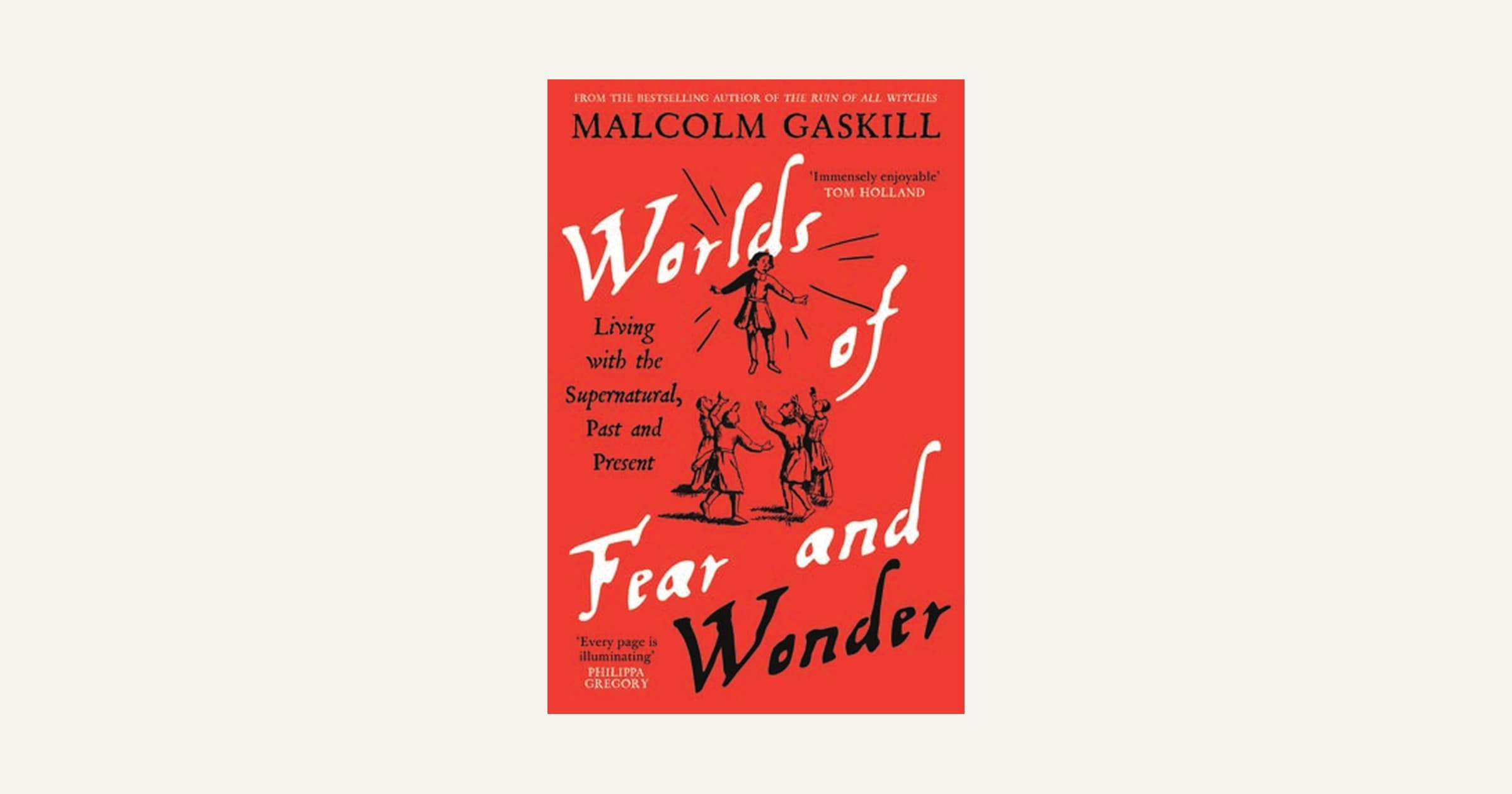
Fr Michael’s book, A Light from the Shadows: The Spiritual Heart of JRR Tolkien, is available now from CTS.

Why do we read Tolkien? Why are his works still so popular, given they were written at a very different time, and for people very different from ourselves?

I came across a couple of quotations recently, while planning a quiet morning for teachers in a local Catholic school, and it reminded me of many people’s responses to reading the works of JRR Tolkien. The former Schools Standards Minister, Jacqui Smith, once told Catholic educationalists: “When I think of a Catholic school, I think of a strong ethos.” Her boss, David Blunkett, a former Labour Home and Education Secretary, is famously on record as saying that if he could, he would like to bottle whatever it is that makes church schools so successful. They both knew there was something distinctive, pastoral and authentic about what they saw, but could not quite put their finger on it.
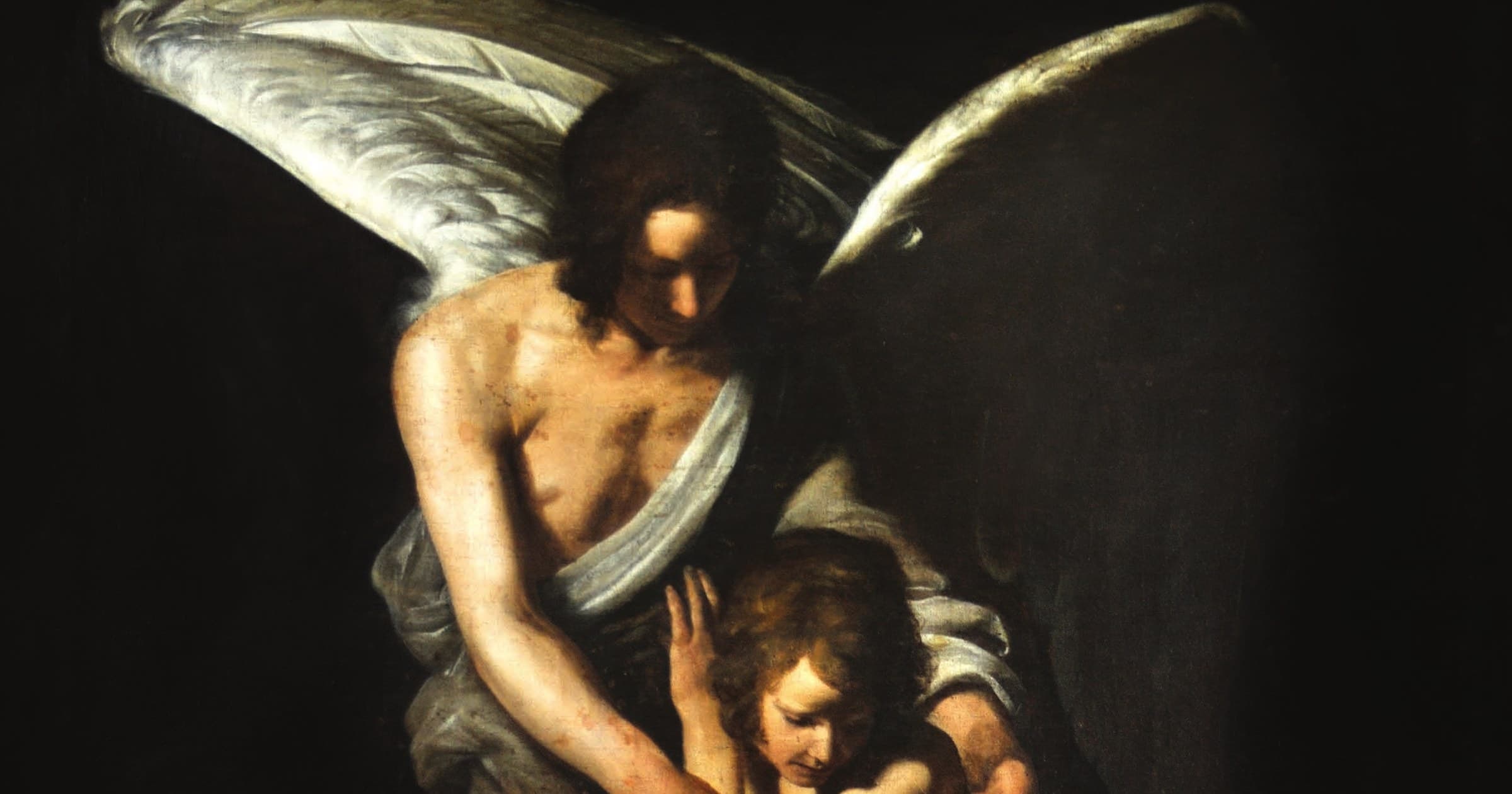
People who read Tolkien do not immediately grasp what he is trying to achieve in his writing, beyond a good story, but they recognise in his narratives something of wonder and enchantment, and something substantially relevant to our own lives. When one peels back the layers, there is a depth of field and a wide horizon full of possibilities which have their origin in what was profoundly important to him: his faith. Tolkien famously commented: “The Lord of the Rings is of course a fundamentally religious and Catholic work; unconsciously so at first, but consciously in the revision.”

Why did Tolkien write? His worldview is like a kaleidoscope: he was a philologist and a medievalist; a husband and father; an infantry officer and veteran of the Great War; a prolific writer of letters, as well as of his now-famous published works. What has been neglected is the dimension of faith in his life and written works, so striking in the 2019 biographical film ‘Tolkien’, which almost airbrushed his faith from the drama of his life.

In the Special Collections department of Oxford’s Bodleian Library there are several boxes of handwritten folios of Tolkien’s notes and texts, as yet unpublished. What is curious about them is what you find when you turn some of them over. Many have Latin texts written out in his calligraphic style: excerpts from the Gloria, the Credo, the Ave Maria and other texts from the Mass. His faith was never physically far from his written work, deliberately woven as it was into the fabric of his narratives. Tolkien did not write fantasy as we might commonly understand it, nor religious allegory: he wrote about things that are real, meaningful and still relevant to our own day.

I have been reading Tolkien for almost as long as I can remember, from at least eight or nine years of age when, on a wet Lancashire afternoon – it rains a great deal in Lancashire – our teacher passed around a class set of The Hobbit, which we read around the room for the remainder of the school day and an afternoon each week thereafter. From the opening page, I was hooked. I first read The Lord of the Rings as an engineering undergraduate, but I never read out of these texts anything more profound than a “ripping yarn”: a type of “boys’ own” quest for children and grown-ups, like so many other books which my generation read. Tolkien was a kind of graduation from Enid Blyton’s Famous Five and Secret Seven, and Arthur Ransome’s Swallows and Amazons adventures.

I was brought up as a Christian in the Church of England, but I had neither the spiritual sense nor the literary tools to draw me into a deeper and more profound reading of Tolkien’s texts. In a very real sense, then, my new book, A Light from the Shadows: The Spiritual Heart of JRR Tolkien, is written for people in that condition I was in. I am not a biographer, and this book is not a biography: others have researched and told the story of JRR Tolkien from a variety of perspectives much better than I ever could. This book is more of a commentary than a biography, though it contains biographical material.

It seeks to provide a brief but tempting introduction to a distinctly Catholic understanding and appreciation of his life and writings from the perspectives of both theology and philosophy. If you are neither a theologian nor a philosopher, nor a Catholic, nor a Christian, then please do not be disheartened. This short book is written with two ambitions: first, to place Tolkien within his own life-setting, without which it is impossible fully to understand his Middle-Earth “project”, or the man himself.

Secondly, I hope the reader will return to Tolkien’s works with a renewed energy and understanding of his precious narratives. No author writes in a vacuum: Tolkien wrote his “mythology for England” and other texts as the result of a researched and lively engagement with the literary, philosophical and theological framework of his professional life and acquired Catholic faith, alongside his evolving life experience.

The joy of becoming enfolded in a story or narrative that draws us into other worlds is a way in which we can also be drawn into the evangelium of the Gospel narrative. Tolkien proclaims this Gospel, but without the trappings of religion. He was a master of his art: the words came first, and the characters, places and plots followed. Language for Tolkien was the vehicle for anointing our intellect and imagination. If the divine Word was made flesh and dwelt among us, so the written “word” can draw us into the consolation of the happy ending: the “eucatastrophe” of life.

God has chosen to communicate His superessential nature through the mediation of ordinary things: water, bread, wine, oil, touch and speech. The ordinariness of Barleyman Butterbur’s beer, fried fish and potatoes, and the chance of good pipe-weed in Tolkien’s trilogy give way to the ethereal waybread of the elves and the brackish water of the unexpected springs of Mordor. The ordinary gives way to the extraordinary encounter with that which sustains us on our journey through life. A good story or a song can lift the heart when danger lurks around every corner and all seems lost. Tolkien reminds us that simple pleasures are the very reasons to live and struggle for life, and that beyond this life there lies a hope on a farther shore which is never entirely beyond our reach.

Fr Michael’s book, A Light from the Shadows: The Spiritual Heart of JRR Tolkien, is available now from CTS.

subscribe to
the catholic herald

Continue reading your article with a subscription.
Read 5 articles with our free plan.
Subscribe

subscribe to the catholic herald today

Our best content is exclusively available to our subscribers. Subscribe today and gain instant access to expert analysis, in-depth articles, and thought-provoking insights—anytime, anywhere. Don’t miss out on the conversations that matter most.
Subscribe