

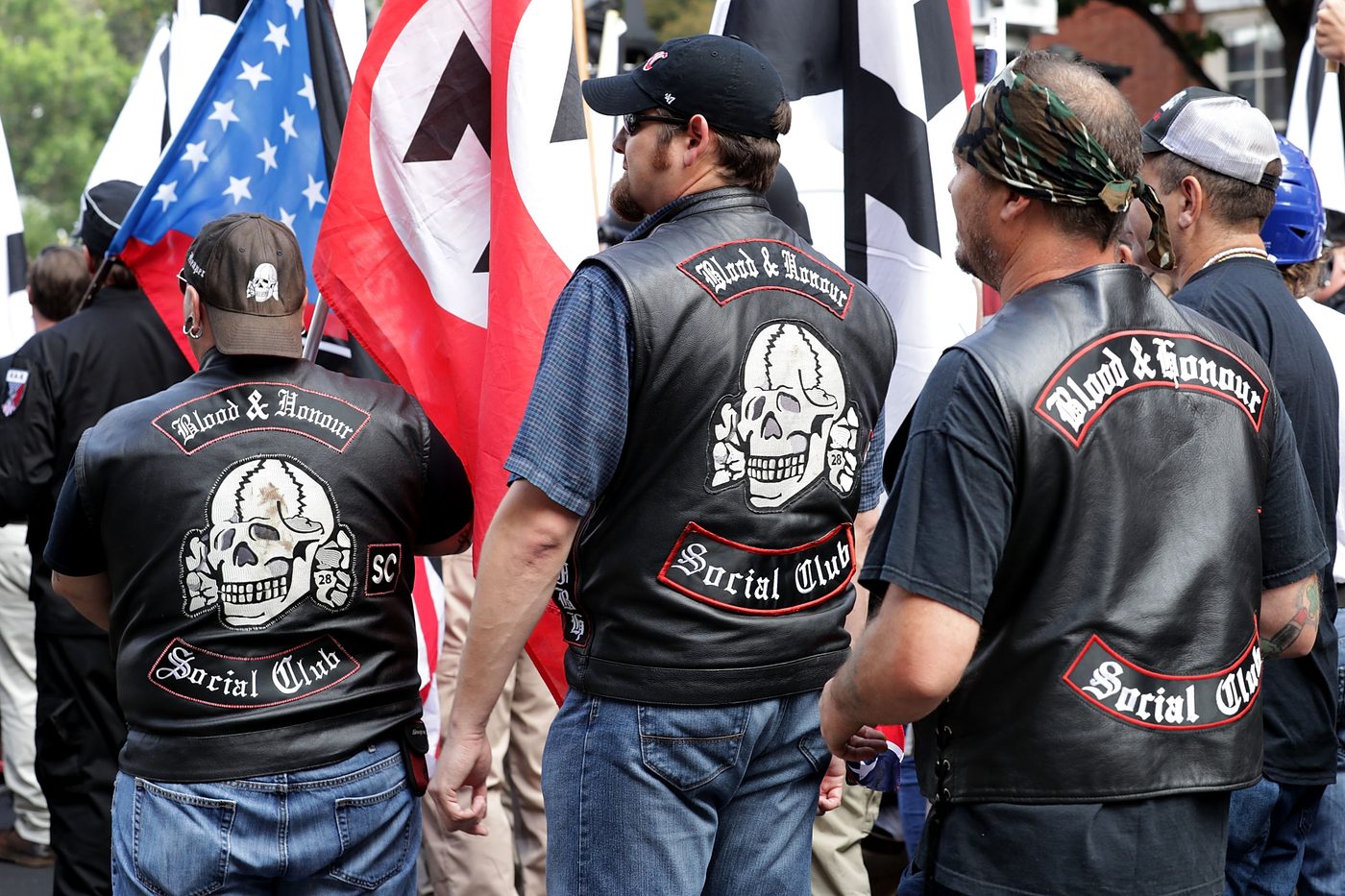
Jesus of Nazareth, drawing on Deuteronomy and Leviticus, teaches us the Law of Love. We must love God with our whole heart and our whole being. And we must love our neighbour as we love ourselves. It is a threefold law: love God, love ourselves and love our neighbour. In the story of the man who shows compassion to the stranger, beaten, robbed and ignored by his countrymen, Jesus teaches us that our neighbour is any fellow human being of any race, nationality, religion or social situation anywhere in the world. The beliefs of white supremacists and white nationalists, such as neo-Nazis and the Ku Klux Klan, are incompatible with this Law of Love. Christians seeking to be faithful to the teachings of the Catholic Church and to obey the Law of Love are challenged by daily headlines that have placed white supremacist movements before us in ways that we would not have expected as the 50th anniversary of the assassination of Martin Luther King draws near. Some white supremacists and white nationalists represent an ideology that has the goal of ensuring the survival of the “white race” and what they consider to be the superior “white culture, history and heritage”. Many white nationalists believe that multiculturalism, interracial marriage, immigration of non-white people to the United States and the low birth rates among white people are threats to the survival of the “white race” in America. Richard Spencer is a leading proponent of “white nationalism” (who denies that he is a white supremacist). He first began using the term “alt-right” (short for “alternative right”) about 10 years ago. His National Policy Institute circulates papers repeating Thomas Jefferson’s claims of the superior intelligence of white people over African American people and stressing the crime rate in African American and Hispanic communities. Speaking at a conference of the National Policy Institute, after the presidential election, he saluted his audience saying: “Hail Trump! Hail our people! Hail victory!” His followers responded with the Nazi salute. In August, Spencer led alt-right marchers who opposed the city council’s decision in Charlottesville, Virginia, to move a prominent statue of Confederate General Robert Lee from the city’s central square. They walked through Thomas Jefferson’s University of Virginia carrying torches and proclaiming “white lives matter”, “Jews will not replace us”, “take back our country” and the Nazi slogan “blood and soil”, while performing Hitler salutes. The following day there was a “Unite the Right” rally in Charlottesville to protest against the Lee statue’s removal. A large number of people turned out to oppose this rally, which was widely seen as a white supremacist gathering. The event became deadly when white supremacists clashed with counter-demonstrators (including Black Lives Matter and anti-fascist groups). Since the city council voted to remove the Lee statue, Charlottesville has attracted members of the Ku Klux Klan, neo-Nazis and other white supremacist groups. After this violent conflict, there was widespread condemnation by civic, political and religious leaders of the extremist groups that were unambiguous about their racial bias and hatred. Nevertheless, plans for future protests by white nationalists have been announced. To many people, the initial response of President Trump to these events seemed forceful but vague: “We condemn in the strongest possible terms this egregious display of hatred, bigotry and violence on many sides.” Many criticised him for not specifically condemning white supremacy in any form, especially the neo-Nazis. They were deeply troubled by his reference to violence “on many sides”, which seemed to imply that everyone involved in the conflict was equally at fault. David Duke, the former Ku Klux Klan Grand Wizard, expressed gratitude to the president for the honesty and courage “of this initial statement and for telling the truth about Charlottesville and condemning the leftist terrorists involved with Black Lives Matter and Antifa [anti-fascists].” Days later the White House issued a new, stronger statement on behalf of the president. But the next day he criticised the media for mischaracterising white supremacist protesters in Charlottesville, stating that some of those marching alongside them were “very fine people”. This response surprised many and was quickly criticised by leaders of foreign governments, Republicans, Democrats, Christian and Jewish organisations and the Joint Chiefs of Staff for seeming to suggest there was a moral equivalence between neo-Nazis and white supremacists and the counter-demonstrators (a mixture of groups, including some who advocate violence). Sadly, the Catholic Church stood for a long time on the wrong side of history in the face of the racial divide. Catholic bishops and institutions “owned” enslaved free human beings. The Church did not condemn or oppose human slavery nor the US Supreme Court’s Dred Scott decision of 1857 (when a slave unsuccessfully sued for his freedom). The Church was not at the forefront of ending segregated neighbourhoods, schools or churches. People of colour were not welcome in Catholic seminary or convents. This led some Catholics to conclude erroneously that the mentality of white supremacists was compatible with Catholic beliefs and the Law of Love. As a result, some members of the Catholic Church have associated themselves with these movements. In “Brothers and Sisters to Us”, their 1979 pastoral letter on racism, the bishops of the United States spoke emphatically:
12:10 PM
Why would a Catholic flirt with white supremacy?
Some are seeking justification for their racism in the American Church's chequered history
Bishop Edward Braxton

7 min read



Already a subscriber? Sign in
5freearticles every month
Continue reading with a free account. No card needed.
- Five free articles every thirty days, on any device you sign in on
- The Catholic Herald newsletter, every morning
- Subscribe whenever you like for everything: every article and the magazine
Related articles
 Newsroom
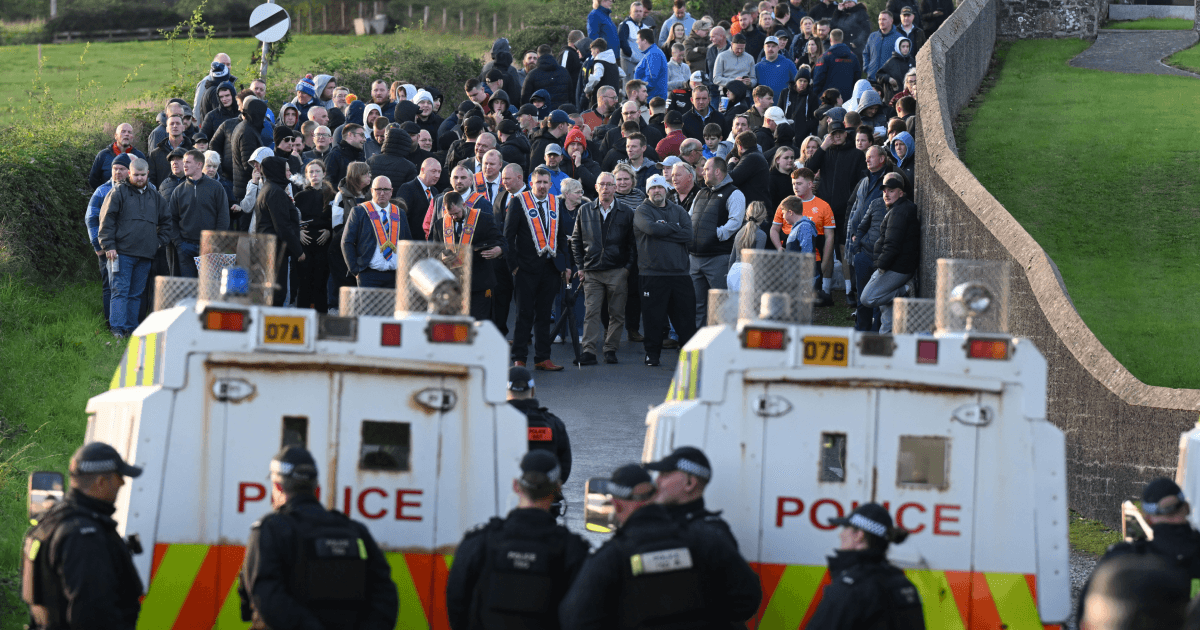
Church leaders urge Drumcree dialogue: ‘Too much is at stake’
The Catholic and Church of Ireland Archbishops of Armagh have urged a renewed commitment to peace and reconciliation amid the Drumcree stand-off
Corrie Douglas-Young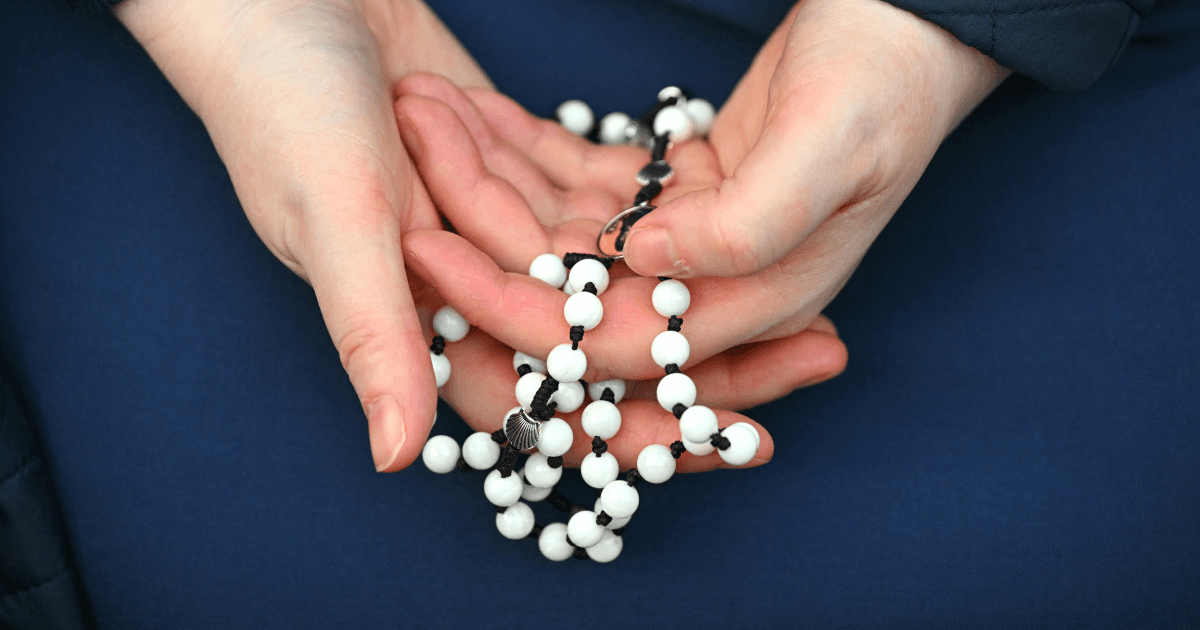 Newsroom
Thousands of Irish children to join global Rosary campaign
Corrie Douglas-Young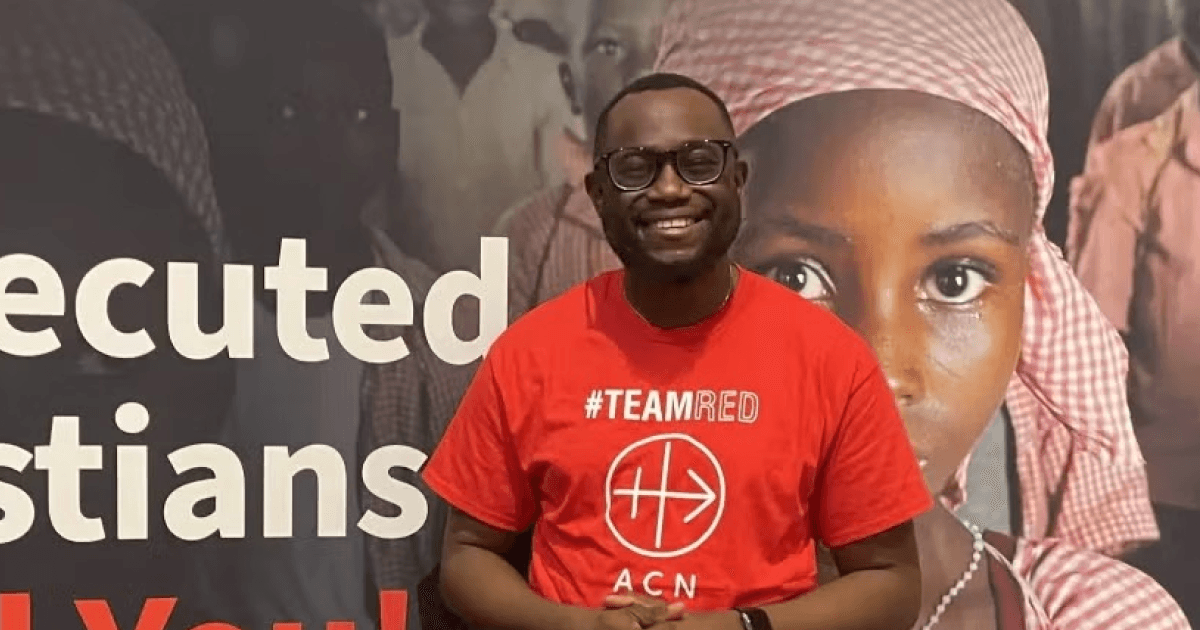 Newsroom
TikTok priest urges young people to stand with persecuted Christians
Nathalie Raffray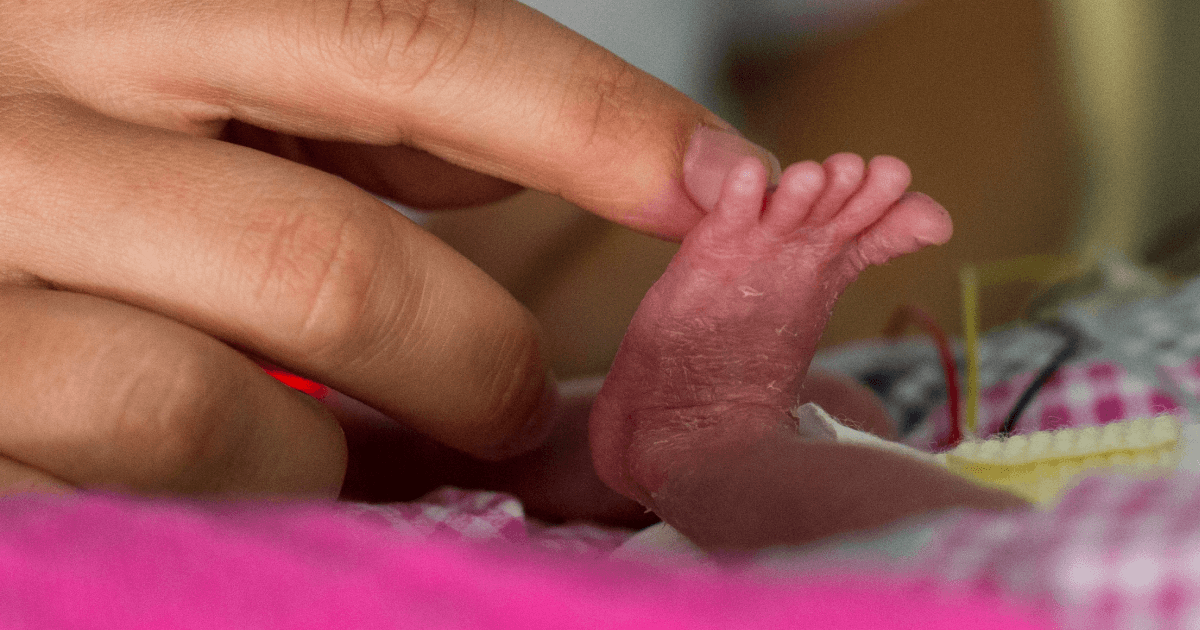 Newsroom
Baby born at 25 weeks reunites with neonatologist two years after leaving hospital
The Catholic Herald Newsroom
Joe Biden honoured by Planned Parenthood after defending abortion rights
Christine Rousselle
subscribe to the catholic herald today
Our best content is exclusively available to our subscribers. Subscribe today and gain instant access to expert analysis, in-depth articles, and thought-provoking insights—anytime, anywhere. Don’t miss out on the conversations that matter most.
Subscribe



