
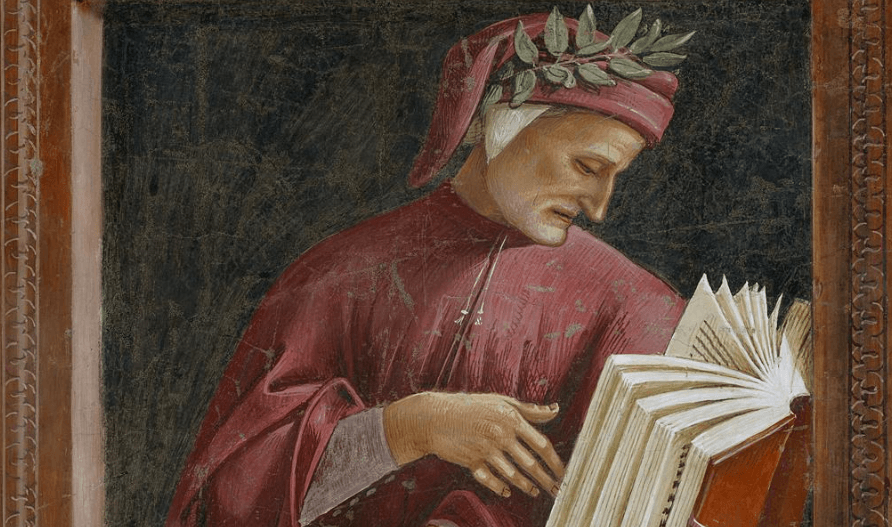
When the pilgrim Dante has come forth at last from the jaws of hell to look upon the stars of heaven again, he does not do what the modern writer is required to do. He does not enter the overheated boudoir of his feelings, to rummage in the closet and come forth with objects that are, mercifully, hard to describe. We expect better than that, and he doesn’t disappoint. If you’ve only just scaled the hairy hide of Satan, frozen at the centre of the world, you might cut a caper or two. I defer to those who have had the experience. Dante does more. He cries:
2:00 PM
Without Christ, poetry is also unredeemed
when the pilgrim dante has come forth at last from the jaws of hell to look upon the stars of heaven again, he does not do what the modern w...
Anthony Esolen

3 min read



Already a subscriber? Sign in
5freearticles every month
Continue reading with a free account. No card needed.
- Five free articles every thirty days, on any device you sign in on
- The Catholic Herald newsletter, every morning
- Subscribe whenever you like for everything: every article and the magazine

subscribe to the catholic herald today
Our best content is exclusively available to our subscribers. Subscribe today and gain instant access to expert analysis, in-depth articles, and thought-provoking insights—anytime, anywhere. Don’t miss out on the conversations that matter most.
Subscribe



