


Third Sunday of Easter Acts 3:13-15 & 17-19; 1 Jn 2:1-5; Lk 24:35-48 (Year B) "It was you who accused the Holy One, the Just One, you who demanded the reprieve of a murderer while you killed the prince of life. God, however, raised him from the dead, and to that fact we are the witnesses.” We cannot truly know Christ as our Risen Lord without first accepting Peter’s charge levelled at a sinful world. Sin, both great and small, cannot be diminished. It must lead to the confession that “ours were the sufferings he bore, ours the sorrow he carried.” Only when we have acknowledged the burden of past sin do we truly turn to our advocate with the Father. “If anyone should sin, we have our advocate with the Father, Jesus Christ who is just; he is the sacrifice that takes our sins away, and not only ours, but the whole world’s.” Like the disciples in Luke’s Gospel, we encounter our Risen Lord as wounded sinners. Their first reaction was alarm and fright. “Why are you so agitated, and why are these doubts rising in your hearts?” We come before the Lord as those seeking his presence, yet burdened with the confusion and doubts that bind our wounded lives. “On him lies a punishment that brings us peace, and through his wounds we are healed.” The disciples found peace in their surrender to a Risen, wounded Lord. “Look at my hands and my feet; yes, it is I indeed. Touch me and see for yourselves. And as he said this, he showed them his hands and feet.” John’s Gospel, describing the Lord’s encounter with Thomas, likewise draws attention to a glory still bearing the wounds of the past. “Look, here are my hands. Give me your hand. Put it into my side. Doubt no longer but believe.” At the heart of the Resurrection is Christ, the wounded healer. The wounds he bore are our wounds. The wounds that hinder become, in him, the wounds that heal. As the wounds of Calvary were raised up in the Resurrection, so our wounded past is not forgotten, but transformed into the glory of his presence.
11:25 AM
Word this week
Bishop David McGough


2 min read



Already a subscriber? Sign in
5freearticles every month
Continue reading with a free account. No card needed.
- Five free articles every thirty days, on any device you sign in on
- The Catholic Herald newsletter, every morning
- Subscribe whenever you like for everything: every article and the magazine
Related articles
 Newsroom
Church leaders urge Drumcree dialogue: ‘Too much is at stake’
The Catholic and Church of Ireland Archbishops of Armagh have urged a renewed commitment to peace and reconciliation amid the Drumcree stand-off
Corrie Douglas-Young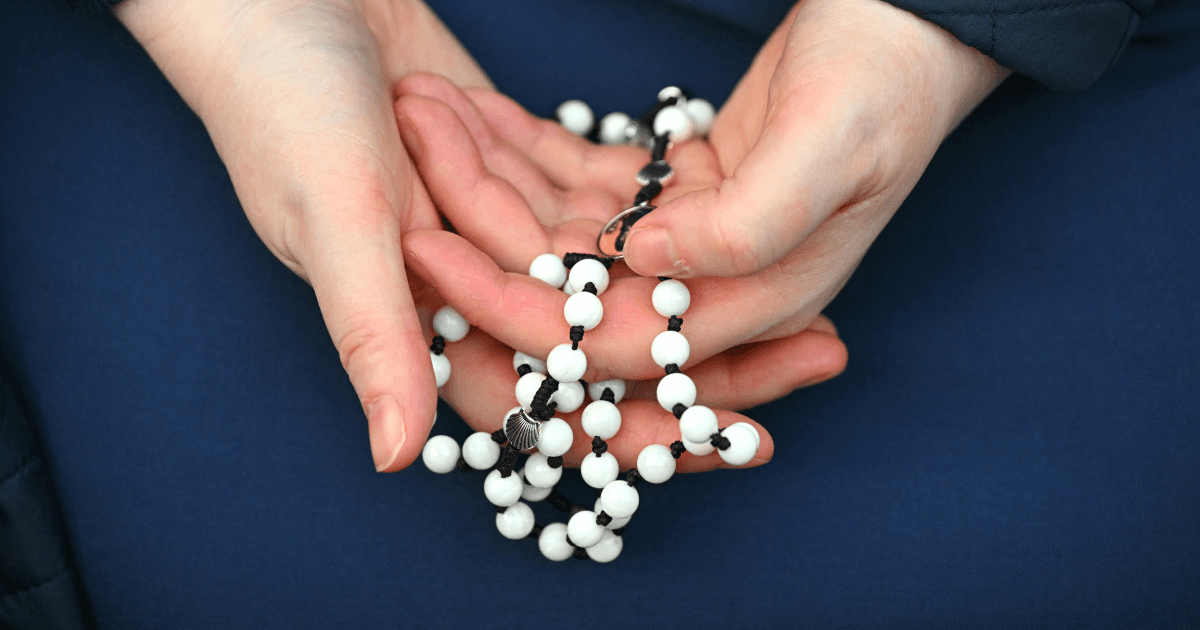 Newsroom
Thousands of Irish children to join global Rosary campaign
Corrie Douglas-Young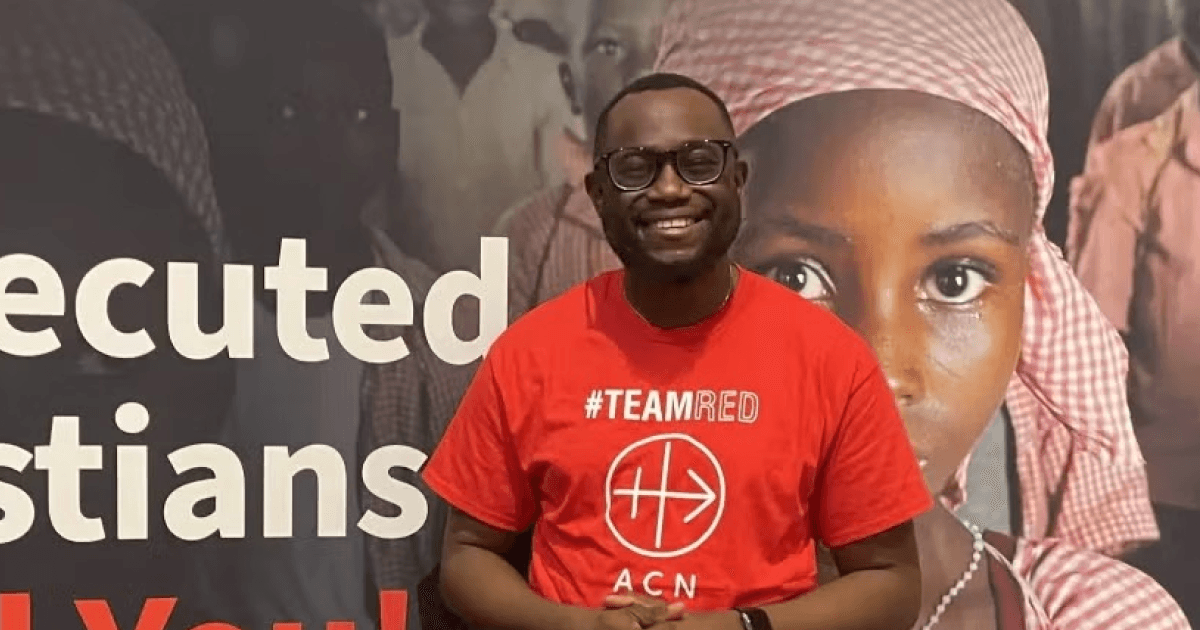 Newsroom
TikTok priest urges young people to stand with persecuted Christians
Nathalie Raffray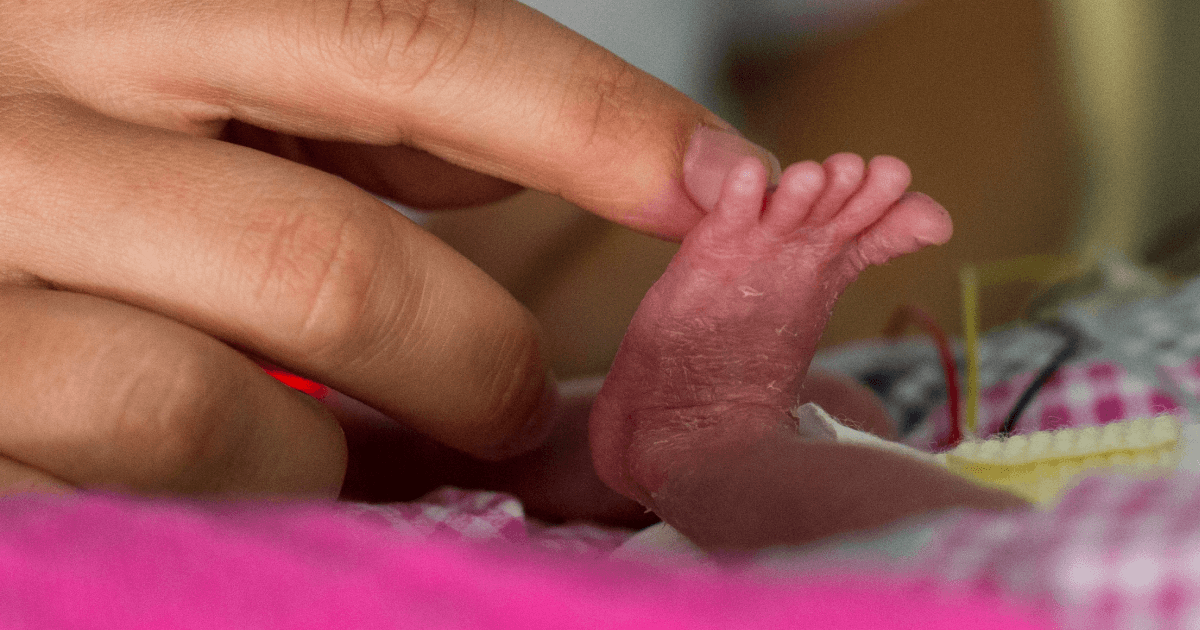 Newsroom
Baby born at 25 weeks reunites with neonatologist two years after leaving hospital
The Catholic Herald Newsroom
Joe Biden honoured by Planned Parenthood after defending abortion rights
Christine Rousselle
subscribe to the catholic herald today
Our best content is exclusively available to our subscribers. Subscribe today and gain instant access to expert analysis, in-depth articles, and thought-provoking insights—anytime, anywhere. Don’t miss out on the conversations that matter most.
Subscribe



