


10th Sunday in Ordinary Time Gen 3:9-15; 2 Cor 4:13 – 5:1; Mk 3:20-35 (Year B) The Genesis account of the Fall does not sit easily with the scientific mind. To the eye of faith, however, it clearly asserts that sin had its beginning in humanity’s rebellion. Ancient though it be, it is a masterly description of sin’s consequences. Sin wants to hide itself just as the man and the woman attempted to hide their lost innocence from God. Sin does not want to own its own culpability. Thus the man blamed the woman, and the woman, in her turn, blamed the serpent. Sin always divides. Above all it divides the loyalties of our own hearts. Confronted with the false accusations of the scribes, Jesus pointed to sin’s conflicting divisions: “If a kingdom is divided against itself, that kingdom cannot last. And if a household is divided, that household can never stand.” Jesus was referring to the divided loyalties of the unrepentant sinner. Only when sin is surrendered to God’s mercy do we find inner peace. “No one can make his way into a strong man’s house and burgle his property unless he has tied up the strong man first. Only then can he burgle his house.” We, in ourselves, are the house that sin seeks to master. Our strength lies in the Lord alone, and when we abandon him we are defenceless against sin. Jesus went on to promise forgiveness for a multitude of sins, with one exception. “I tell you solemnly, all men’s sins will be forgiven, and all their blasphemies; but let anyone blaspheme against the Holy Spirit and he will never have forgiveness; he is guilty of an eternal sin.” Within the context of the Gospel this unforgivable blasphemy against the Holy Spirit was explained as the scribes’ insistence that Jesus was possessed of an unclean spirit. In effect they refused to believe in him or his Gospel, thereby cutting themselves off from the source of salvation. What would be for us the unforgiveable sin against the Holy Spirit? Many opinions have been expressed. To me the most plausible is as follows: when we culpably remain enmeshed in sin, refusing to entrust ourselves to God’s proffered forgiveness, we blaspheme against the very Spirit of God. God’s Spirit is tenderness and mercy. He is slow to anger and rich in forgiveness. To remain obdurate in the face of such forgiveness is to cut ourselves off from God. It is the sin against the Holy Spirit.
1:00 PM
Word this week
Bishop David McGough


3 min read



Already a subscriber? Sign in
5freearticles every month
Continue reading with a free account. No card needed.
- Five free articles every thirty days, on any device you sign in on
- The Catholic Herald newsletter, every morning
- Subscribe whenever you like for everything: every article and the magazine
Related articles
 Newsroom
Church leaders urge Drumcree dialogue: ‘Too much is at stake’
The Catholic and Church of Ireland Archbishops of Armagh have urged a renewed commitment to peace and reconciliation amid the Drumcree stand-off
Corrie Douglas-Young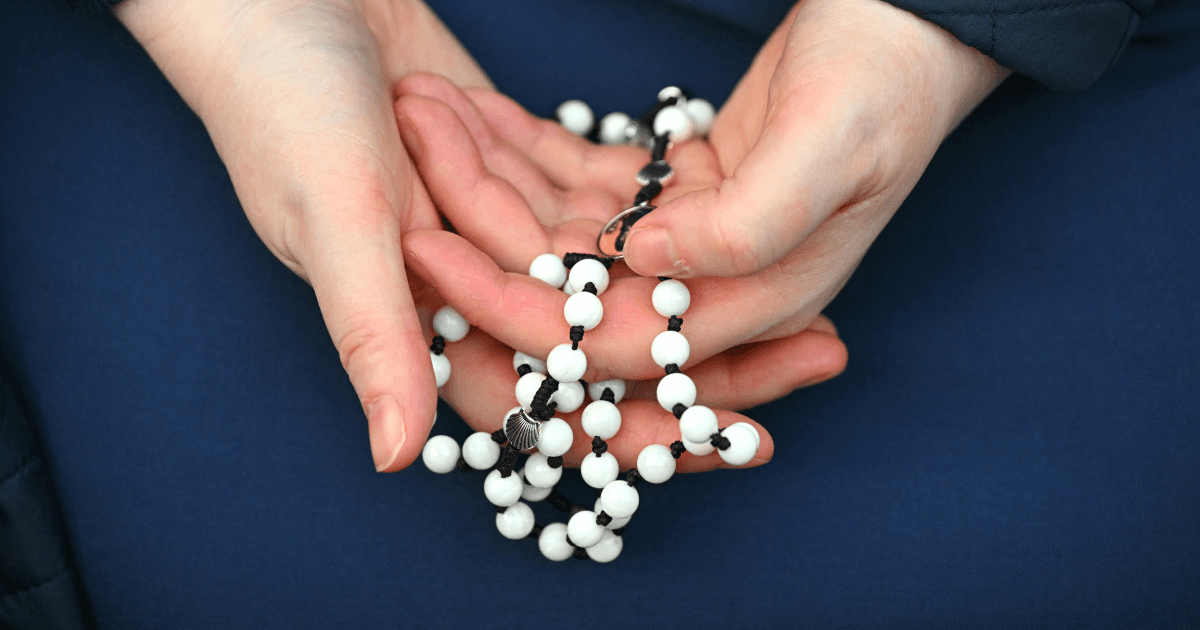 Newsroom
Thousands of Irish children to join global Rosary campaign
Corrie Douglas-Young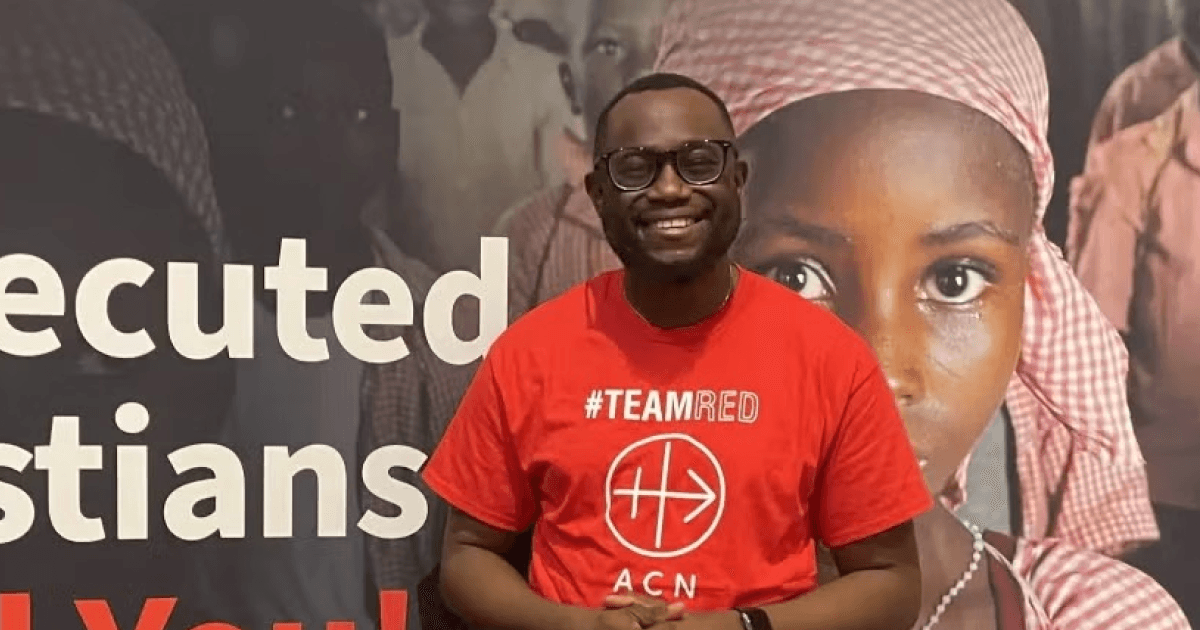 Newsroom
TikTok priest urges young people to stand with persecuted Christians
Nathalie Raffray Newsroom
Baby born at 25 weeks reunites with neonatologist two years after leaving hospital
The Catholic Herald Newsroom
Joe Biden honoured by Planned Parenthood after defending abortion rights
Christine Rousselle
subscribe to the catholic herald today
Our best content is exclusively available to our subscribers. Subscribe today and gain instant access to expert analysis, in-depth articles, and thought-provoking insights—anytime, anywhere. Don’t miss out on the conversations that matter most.
Subscribe



