


February 12, 2026

Word this week

Bishop David McGough
More
Related
Min read
share

The 26th Sunday of the Year
Num 11:25-29; Jas 5:1-6; Mk 9:38-43, 45 & 47-48 (Year B)

“The Law of the Lord is perfect, it revives the soul. The rule of the Lord is to be trusted, it gives wisdom to the wise.”

The psalmist rejoiced in the Law as the revelation of God’s will, God’s greatest gift to his people. This gracious revelation demanded a corresponding humility on the part of those who received it.

The Law had been intended as a gift to the humble, rather than as a prescriptive standard exalting one people over another.

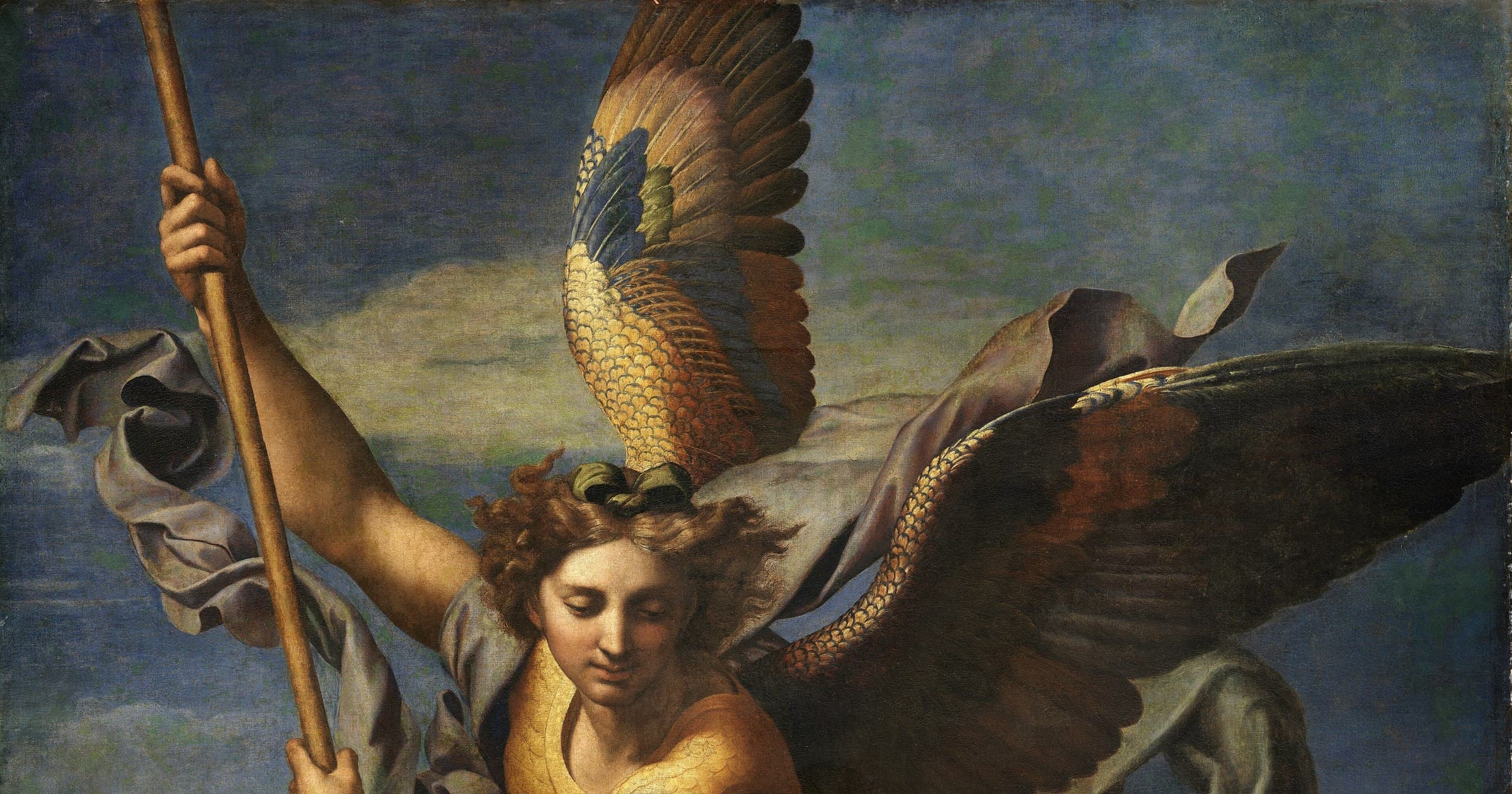
It was from such humility that the psalmist went on to pray: “But who can detect all his errors? From hidden faults acquit me. From presumption restrain your servant and let it not rule me. Then I shall be blameless, clean from grave sin.”

The Book of Numbers records a strange incident in which a people who had been touched by God’s Spirit attempted to restrict the working of that same Spirit. Two devout Jews, who had not been with Moses in the Tent of Meeting at the outpouring of the Spirit, were nevertheless touched by the same Spirit and began to prophesy. Several complained to Moses that they should be silenced. Rather than silencing them, Moses rejoiced in the freedom of God’s Spirit: “Are you people jealous on my account? If only the whole people of the Lord were prophets, and the Lord gave his Spirit to them all.”

Pride and insecurity conspire to deny in others a greatness of spirit lacking in themselves. Jesus denounced such divisive pride in his own disciples when they complained about a stranger, “not one of us, casting out devils in your name”. He said: “You must not stop him: no one who works a miracle in my name is likely to speak evil of me. Anyone who is not against us is for us.”

Jesus went on to warn his disciples of a further danger. The pride that is blind to the Spirit at work in others is likely to be blind to its own failings. “But anyone who is an obstacle to bring down one of these little ones who have faith would be better thrown into the sea with a great millstone round his neck.”

All, but especially those in leadership, are called to the humility that acknowledges hidden faults. Let us pray for the repentance Pope Francis has proposed, a repentance that seeks to heal the wounds of the past. Let us acknowledge the Spirit wherever it is to be found.

The 26th Sunday of the Year
Num 11:25-29; Jas 5:1-6; Mk 9:38-43, 45 & 47-48 (Year B)

“The Law of the Lord is perfect, it revives the soul. The rule of the Lord is to be trusted, it gives wisdom to the wise.”

The psalmist rejoiced in the Law as the revelation of God’s will, God’s greatest gift to his people. This gracious revelation demanded a corresponding humility on the part of those who received it.

The Law had been intended as a gift to the humble, rather than as a prescriptive standard exalting one people over another.
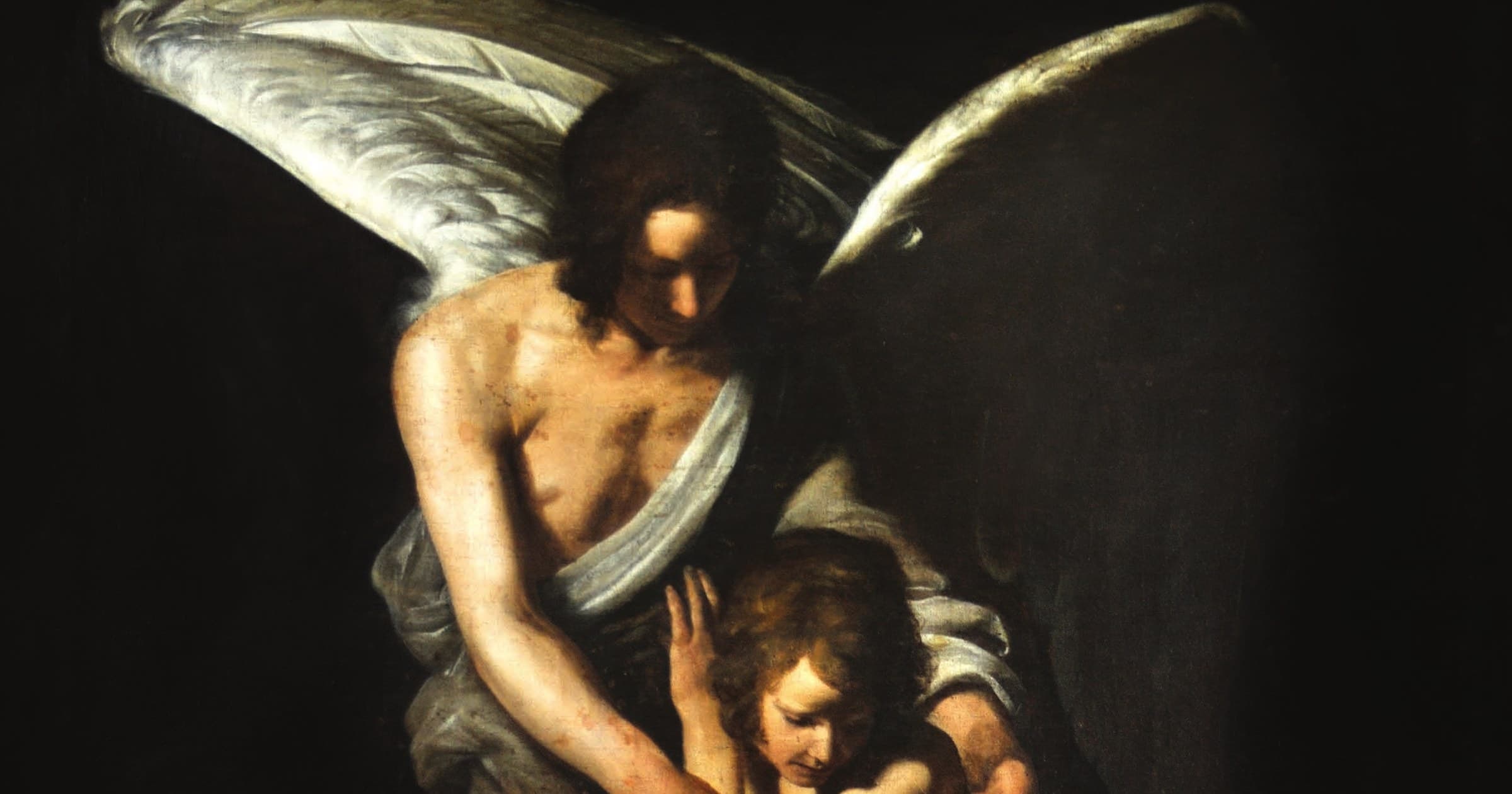
It was from such humility that the psalmist went on to pray: “But who can detect all his errors? From hidden faults acquit me. From presumption restrain your servant and let it not rule me. Then I shall be blameless, clean from grave sin.”

The Book of Numbers records a strange incident in which a people who had been touched by God’s Spirit attempted to restrict the working of that same Spirit. Two devout Jews, who had not been with Moses in the Tent of Meeting at the outpouring of the Spirit, were nevertheless touched by the same Spirit and began to prophesy. Several complained to Moses that they should be silenced. Rather than silencing them, Moses rejoiced in the freedom of God’s Spirit: “Are you people jealous on my account? If only the whole people of the Lord were prophets, and the Lord gave his Spirit to them all.”

Pride and insecurity conspire to deny in others a greatness of spirit lacking in themselves. Jesus denounced such divisive pride in his own disciples when they complained about a stranger, “not one of us, casting out devils in your name”. He said: “You must not stop him: no one who works a miracle in my name is likely to speak evil of me. Anyone who is not against us is for us.”

Jesus went on to warn his disciples of a further danger. The pride that is blind to the Spirit at work in others is likely to be blind to its own failings. “But anyone who is an obstacle to bring down one of these little ones who have faith would be better thrown into the sea with a great millstone round his neck.”

All, but especially those in leadership, are called to the humility that acknowledges hidden faults. Let us pray for the repentance Pope Francis has proposed, a repentance that seeks to heal the wounds of the past. Let us acknowledge the Spirit wherever it is to be found.

subscribe to
the catholic herald

Continue reading your article with a subscription.
Read 5 articles with our free plan.
Subscribe

subscribe to the catholic herald today

Our best content is exclusively available to our subscribers. Subscribe today and gain instant access to expert analysis, in-depth articles, and thought-provoking insights—anytime, anywhere. Don’t miss out on the conversations that matter most.
Subscribe