

February 12, 2026

Word this week

Bishop David McGough
More
No items found.
Related
Min read
share

The 27th Sunday of the Year
Gen 2:18-24; Heb 2:9-11; Mk 10:2-16 (Year B)

"The Lord said, ‘It is not good that man should be alone. I will make him a helpmate.’ ”

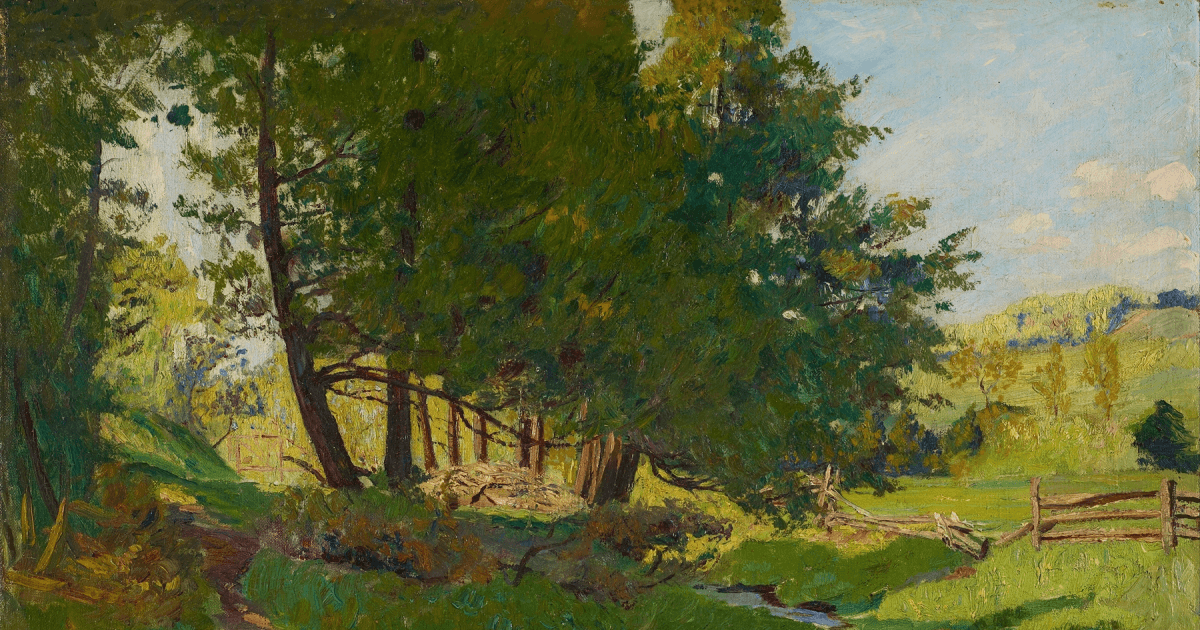
While the biblical creation narratives were never intended as a scientific description of human origins, they echo the universal experience of what it is to be human. We are social animals and, as such, can never thrive in isolation. Thus, in the verses that follow the assertion that “it is not good that man should be alone”, the creation narrative points to the life-giving relationships that offer meaning and purpose to our humanity.
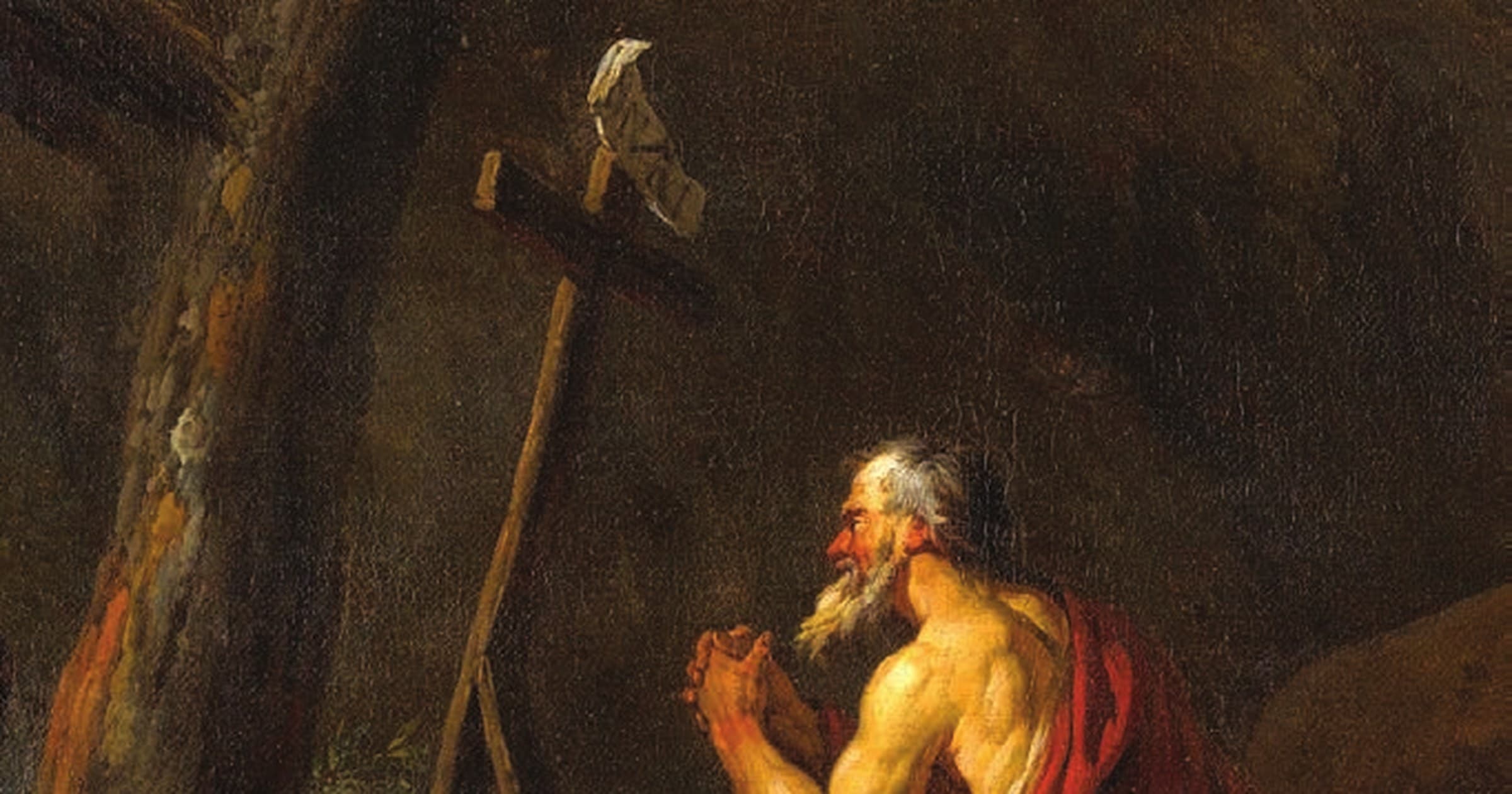
The invitation to name the creatures formed from the soil of the earth hallows humanity’s relationship with the environment. Above all, the creation of the woman from Adam’s rib, and his triumphant cry “this at last is bone of my bone, flesh from my flesh”, asserts both the equality of the sexes and, beyond this, answers the loneliness at the heart of man, linking marriage with creation’s original blessing: “Increase, multiply and fill the face of the earth.”

These relationships, with our Creator, our environment and with each other, lead to our ultimate belonging; our relationship with Father, Son and Holy Spirit. As such, they are to be cherished as the path to what Jesus would describe as life eternal, the fullness of life.

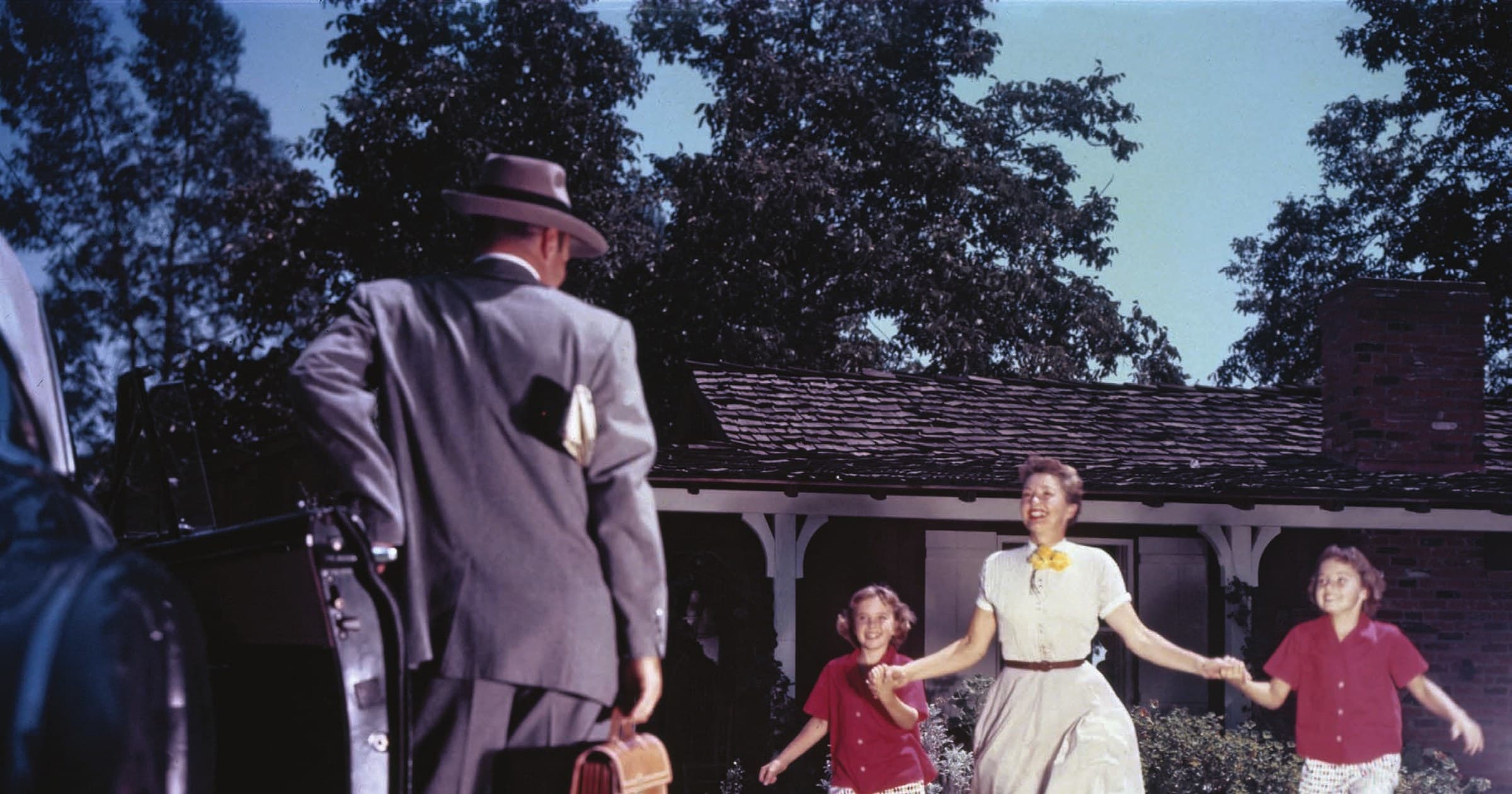
Sin, in its final analysis, is the breakdown of the relationships described in Genesis. Climate change, with its attendant poverty, is the consequence of a broken relationship with our environment. Violence and the breakdown of family life is witness to our broken relationships with each other. The sinful and arrogant individualism that makes itself the measure of all things has lost the relationship of the creature to the Creator.

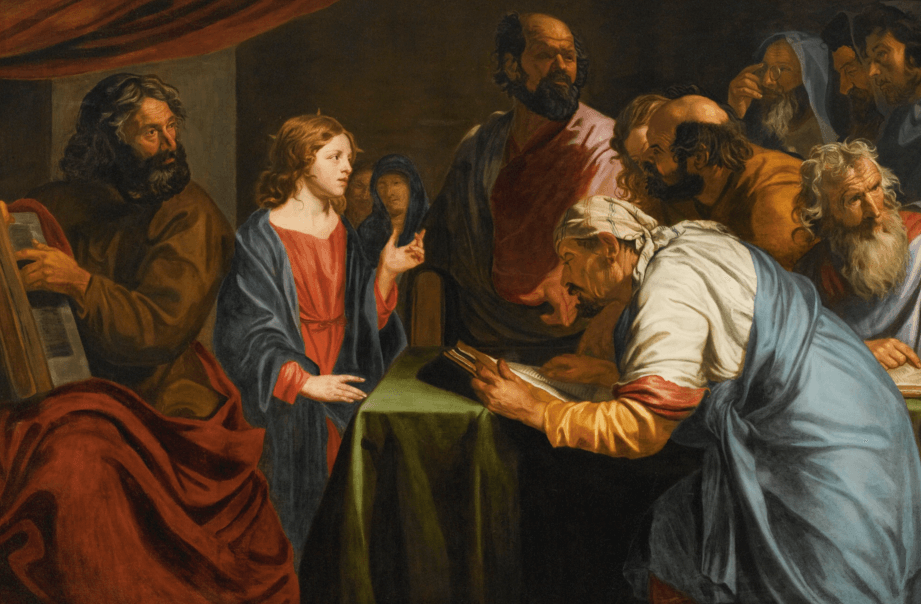
When the Pharisees challenged Jesus over the question of divorce – “is it against the law for a man to divorce his wife?” – they were seeking compromise. Rather than compromise, Jesus pointed to all that was best in the Creator’s vision for the stable relationship between man and woman. “Then Jesus said to them, ‘It was because you were so unteachable that Moses wrote this commandment for you. But from the beginning of creation God made them male and female. This is why a man must leave father and mother, and the two become one. What God has united, man must not divide.’ ”

A sinful world has compromised the Creator’s intentions for our relationships, not only with the Creator himself, but also with the environment and each other. Faithful to the Lord’s new commandment of love, let us accompany all that is broken. As a part of Christ’s new creation, and in the grace of his Spirit, let us seek to live out our many relationships in the strength of that love revealed to us as Father, Son and Holy Spirit.

The 27th Sunday of the Year
Gen 2:18-24; Heb 2:9-11; Mk 10:2-16 (Year B)

"The Lord said, ‘It is not good that man should be alone. I will make him a helpmate.’ ”

While the biblical creation narratives were never intended as a scientific description of human origins, they echo the universal experience of what it is to be human. We are social animals and, as such, can never thrive in isolation. Thus, in the verses that follow the assertion that “it is not good that man should be alone”, the creation narrative points to the life-giving relationships that offer meaning and purpose to our humanity.
The invitation to name the creatures formed from the soil of the earth hallows humanity’s relationship with the environment. Above all, the creation of the woman from Adam’s rib, and his triumphant cry “this at last is bone of my bone, flesh from my flesh”, asserts both the equality of the sexes and, beyond this, answers the loneliness at the heart of man, linking marriage with creation’s original blessing: “Increase, multiply and fill the face of the earth.”

These relationships, with our Creator, our environment and with each other, lead to our ultimate belonging; our relationship with Father, Son and Holy Spirit. As such, they are to be cherished as the path to what Jesus would describe as life eternal, the fullness of life.

Sin, in its final analysis, is the breakdown of the relationships described in Genesis. Climate change, with its attendant poverty, is the consequence of a broken relationship with our environment. Violence and the breakdown of family life is witness to our broken relationships with each other. The sinful and arrogant individualism that makes itself the measure of all things has lost the relationship of the creature to the Creator.

When the Pharisees challenged Jesus over the question of divorce – “is it against the law for a man to divorce his wife?” – they were seeking compromise. Rather than compromise, Jesus pointed to all that was best in the Creator’s vision for the stable relationship between man and woman. “Then Jesus said to them, ‘It was because you were so unteachable that Moses wrote this commandment for you. But from the beginning of creation God made them male and female. This is why a man must leave father and mother, and the two become one. What God has united, man must not divide.’ ”

A sinful world has compromised the Creator’s intentions for our relationships, not only with the Creator himself, but also with the environment and each other. Faithful to the Lord’s new commandment of love, let us accompany all that is broken. As a part of Christ’s new creation, and in the grace of his Spirit, let us seek to live out our many relationships in the strength of that love revealed to us as Father, Son and Holy Spirit.

subscribe to
the catholic herald

Continue reading your article with a subscription.
Read 5 articles with our free plan.
Subscribe

subscribe to the catholic herald today

Our best content is exclusively available to our subscribers. Subscribe today and gain instant access to expert analysis, in-depth articles, and thought-provoking insights—anytime, anywhere. Don’t miss out on the conversations that matter most.
Subscribe