

February 12, 2026

Word This Week

Bishop David McGough
More
No items found.
Related
Min read
share

The 23rd Sunday of the Year
Wis 9: 13-18 Phlm 9-10, 12-17, Lk 14: 25-33 (year c)

The Gospel according to Luke is a carefully depicted drama describing the final journey of Jesus to Jerusalem. Within that Holy City, hallowed by centuries of worship and suffering, his mission would be accomplished in his death and Resurrection.

From that same city, with the gift of the Holy Spirit at Pentecost, his ministry would reach out to the whole world. Like those disciples long ago, we accompany Jesus on that journey to Jerusalem.
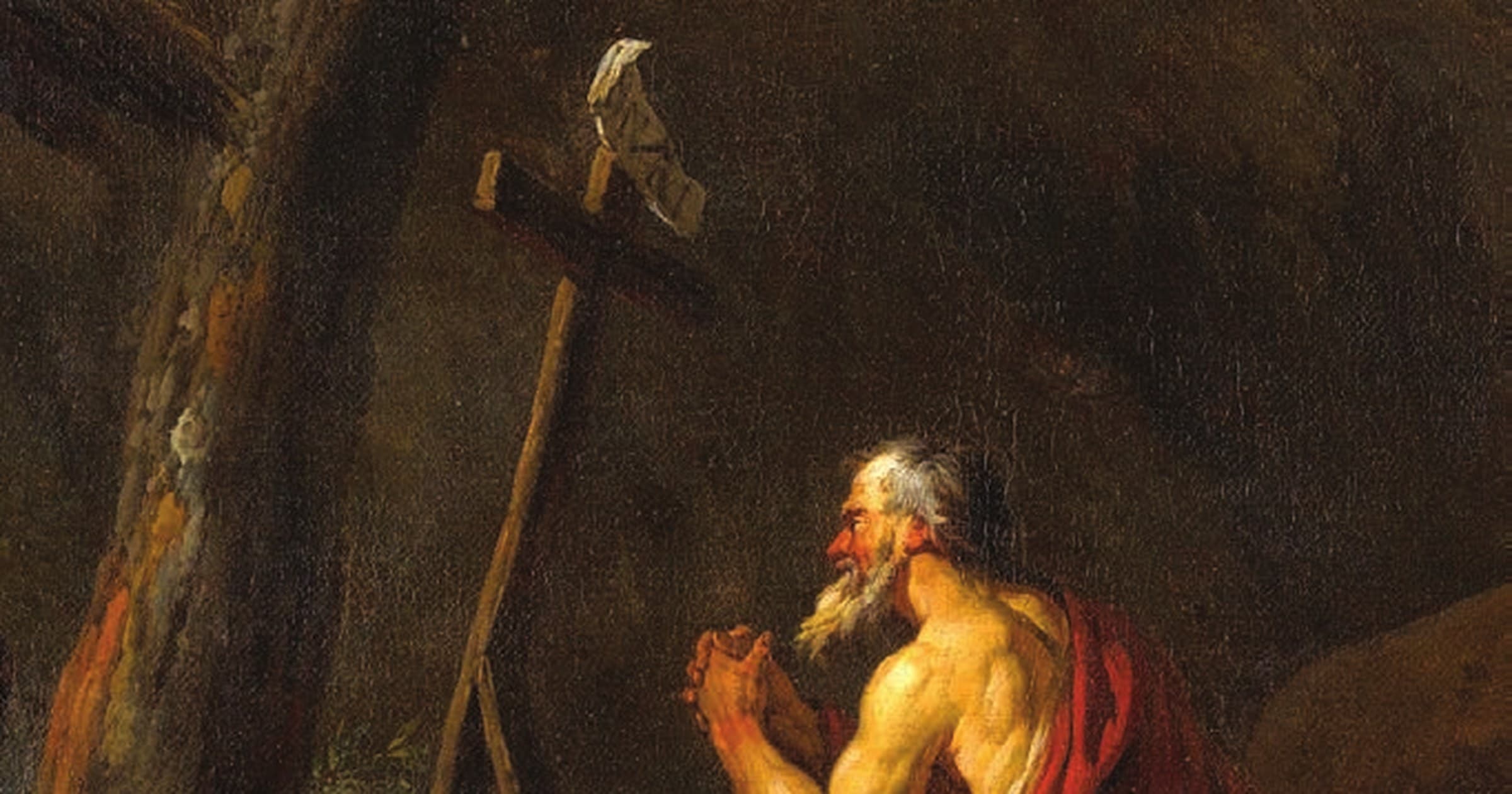
As Jesus challenged his disciples along the road, so he challenges us in the circumstances of our daily lives. Did they really understand what it meant to become his disciple? Were they, like him, willing to shoulder the cross daily so as to follow him? Were they willing to abandon life as they had known it in order to find themselves in him?

These are the fundamental questions that run through the Gospel. They are uncomfortable, and we, like those first disciples, tend to sidestep them.

It is against this natural resistance to such probing questions that we must understand the words of Jesus in the Gospel.

The long journey to Jerusalem was rapidly approaching its conclusion. Jesus deliberately confronted his disciples’ reluctance to consider the cost of discipleship. “If any man comes to me without hating his father, mother, wife, children, brothers, sisters, yes and his own life too, he cannot be my disciple. Anyone who does not carry his cross and come after me cannot be my disciple.”

These words surely rank among the most difficult sayings in the Gospel. They leave no space for compromise. We are either with the Lord or we are against him. To a certain extent we can mollify their harshness by appealing to a linguistic tendency to emphasise by opposites, but we cannot escape their challenge.

Jesus was deliberately probing the many priorities, good and bad, that crowd into our lives. Wisdom teaches us that unless the first and abiding foundation of our lives is secure in him, nothing else will be safe.

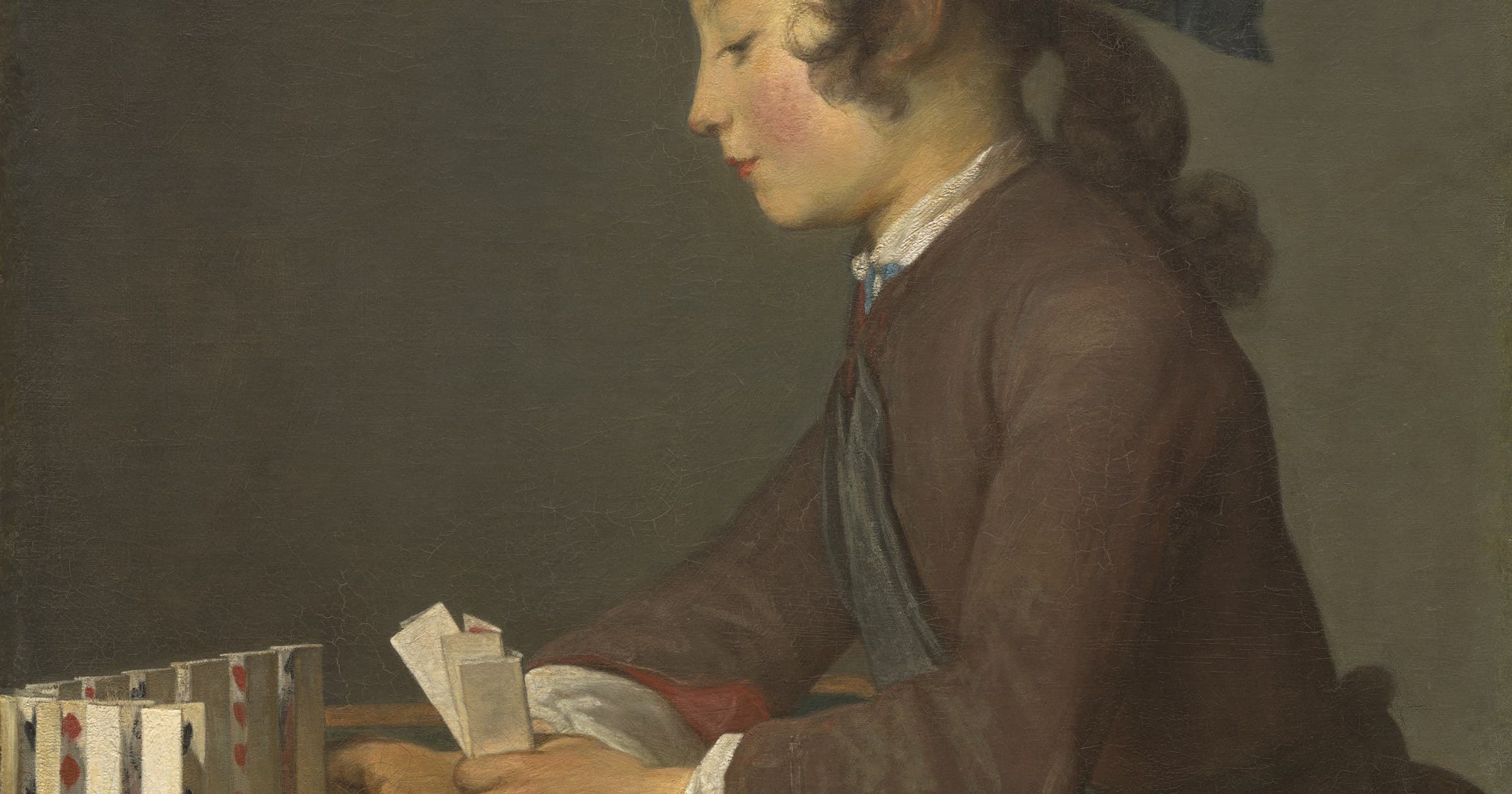
Life itself is a tower, a structure like that in the Gospel. If we are to build securely, we must judge our priorities wisely.

Otherwise, like the builder in the Gospel, we find ourselves without both the foundation and the materials to complete the task. Let us not be afraid to discern our priorities with him, and in him and through him.

The 23rd Sunday of the Year
Wis 9: 13-18 Phlm 9-10, 12-17, Lk 14: 25-33 (year c)

The Gospel according to Luke is a carefully depicted drama describing the final journey of Jesus to Jerusalem. Within that Holy City, hallowed by centuries of worship and suffering, his mission would be accomplished in his death and Resurrection.

From that same city, with the gift of the Holy Spirit at Pentecost, his ministry would reach out to the whole world. Like those disciples long ago, we accompany Jesus on that journey to Jerusalem.
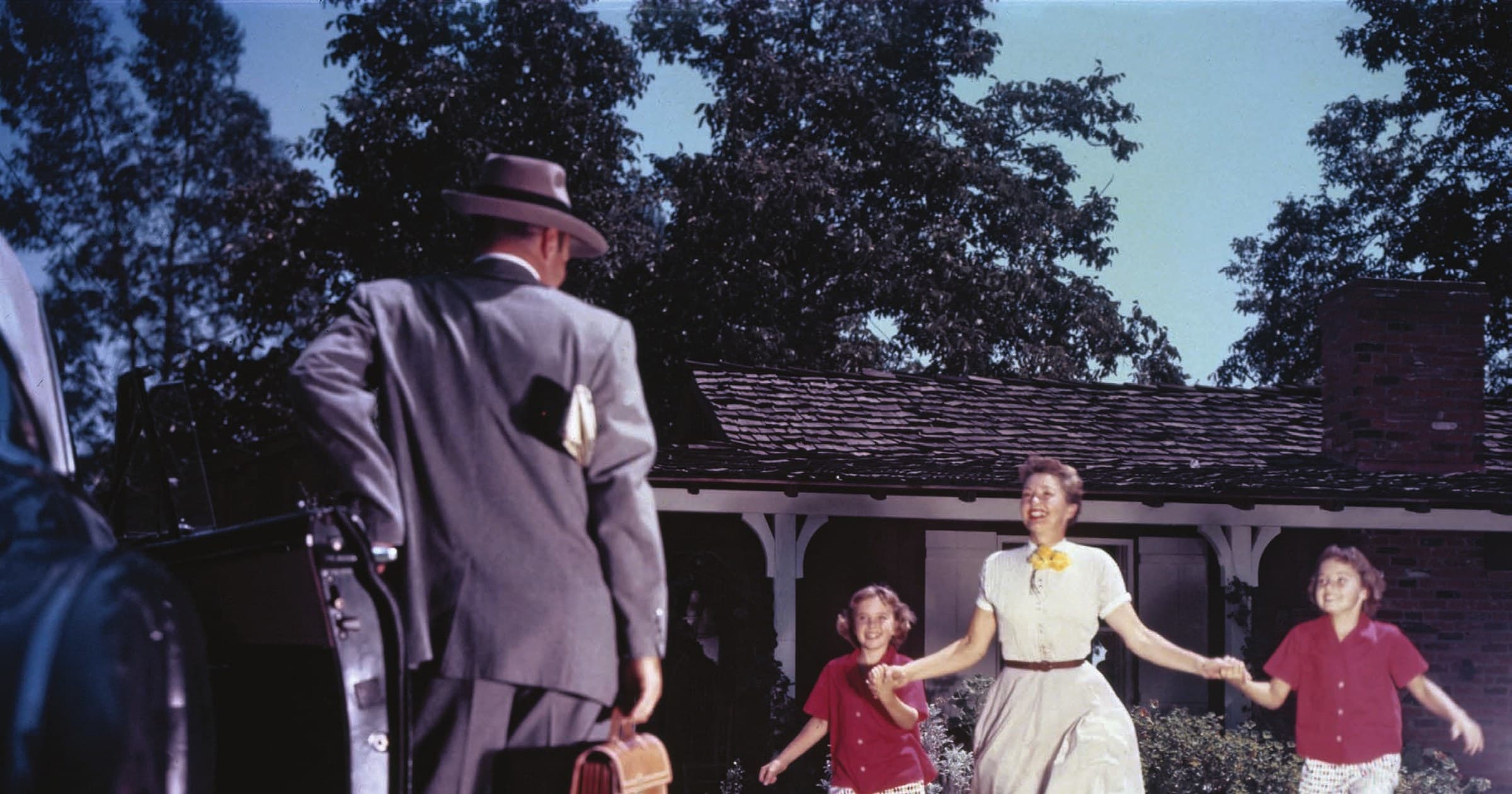
As Jesus challenged his disciples along the road, so he challenges us in the circumstances of our daily lives. Did they really understand what it meant to become his disciple? Were they, like him, willing to shoulder the cross daily so as to follow him? Were they willing to abandon life as they had known it in order to find themselves in him?

These are the fundamental questions that run through the Gospel. They are uncomfortable, and we, like those first disciples, tend to sidestep them.

It is against this natural resistance to such probing questions that we must understand the words of Jesus in the Gospel.

The long journey to Jerusalem was rapidly approaching its conclusion. Jesus deliberately confronted his disciples’ reluctance to consider the cost of discipleship. “If any man comes to me without hating his father, mother, wife, children, brothers, sisters, yes and his own life too, he cannot be my disciple. Anyone who does not carry his cross and come after me cannot be my disciple.”

These words surely rank among the most difficult sayings in the Gospel. They leave no space for compromise. We are either with the Lord or we are against him. To a certain extent we can mollify their harshness by appealing to a linguistic tendency to emphasise by opposites, but we cannot escape their challenge.

Jesus was deliberately probing the many priorities, good and bad, that crowd into our lives. Wisdom teaches us that unless the first and abiding foundation of our lives is secure in him, nothing else will be safe.

Life itself is a tower, a structure like that in the Gospel. If we are to build securely, we must judge our priorities wisely.

Otherwise, like the builder in the Gospel, we find ourselves without both the foundation and the materials to complete the task. Let us not be afraid to discern our priorities with him, and in him and through him.

subscribe to
the catholic herald

Continue reading your article with a subscription.
Read 5 articles with our free plan.
Subscribe

subscribe to the catholic herald today

Our best content is exclusively available to our subscribers. Subscribe today and gain instant access to expert analysis, in-depth articles, and thought-provoking insights—anytime, anywhere. Don’t miss out on the conversations that matter most.
Subscribe