
February 12, 2026

Word This Week

Bishop David McGough
More
Related
Min read
share

The 26th Sunday of the Year
Amos 6:1 & 4-7; 1 Tim 6:11-16; Lk 16:19-31 (year c)

"Woe to those ensconced so snugly in Zion and to those who feel so safe on the mountain of Samaria.” The prophet Amos was, to say the very least, an unwelcome voice to the social elite of Israel’s northern kingdom. He had come from the barren hills that lay to the south to confront the irresponsible concentration of the northern kingdom’s rich natural resources into the hands of privileged landlords.

Amos’s anger was derisory. Here were a people that sprawled on ivory beds, housed their livestock in greater luxury than their workers and drank wine by the bowlful. This conspicuous consumption was itself bad enough. What put it beyond redemption was a complete indifference to the plight of the poor whose labour provided this wealth. “But about the ruin of Joseph they do not care at all. That is why they will be the first to be exiled; the sprawlers’ revelry is over.”
Society today operates on a broader canvas than the narrow confines of Israel’s northern and southern kingdoms at the time of Amos. This does not, however, absolve us from having a care for less advantaged regions whose labour and produce contribute to our own economy.

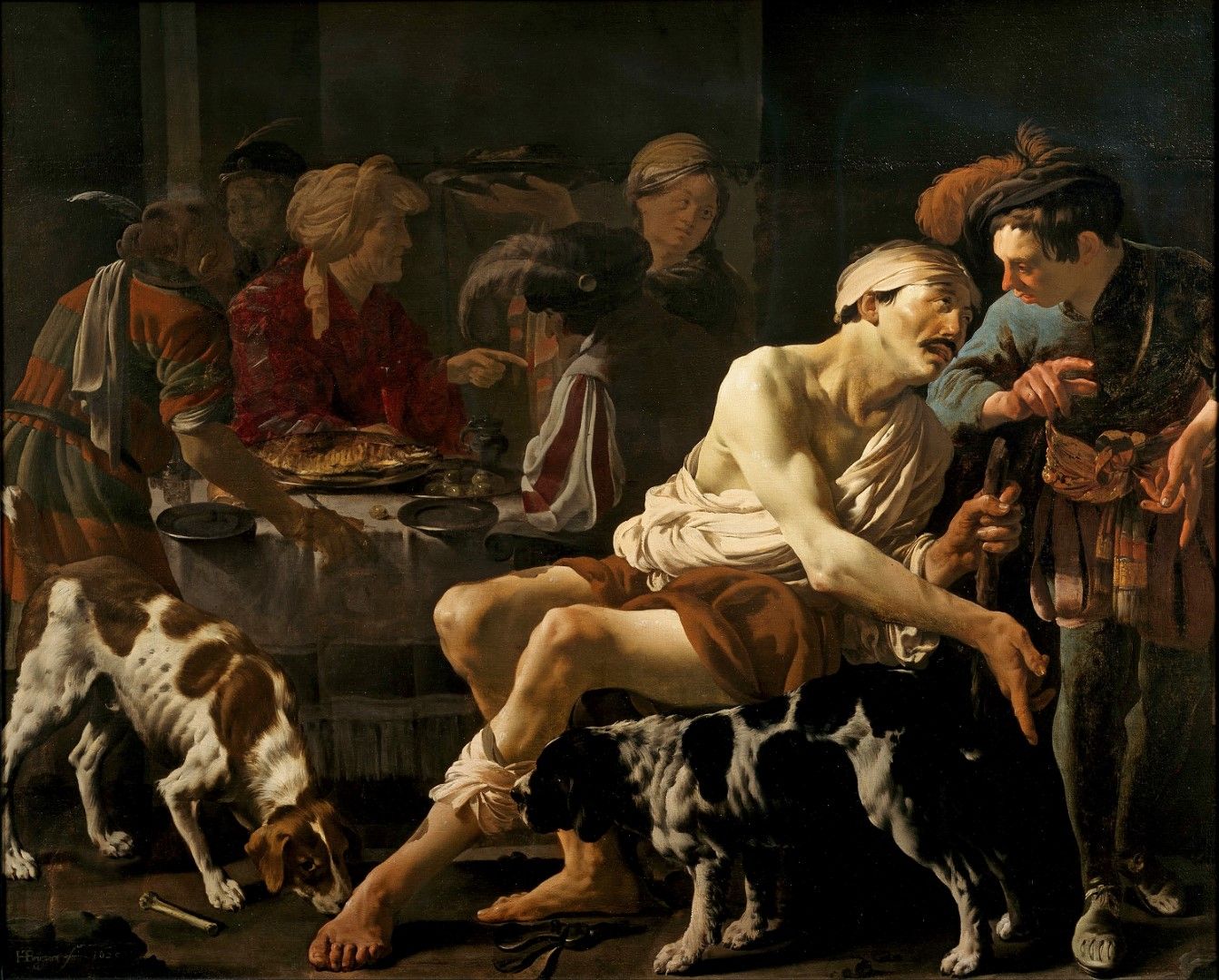
Luke’s account of the rich man dressed in purple, contrasted with the poor man Lazarus who languished at his gate, underlines this point. The rich man is not indicted for his wealth, but for the self-absorption that never even noticed the plight of Lazarus.

As the story unfolds, both die, but what awaited them was radically different. The poor man was taken into the bosom of Abraham, while the rich man languished in Hades. From his torment the rich man pleaded with Abraham that Lazarus might be allowed to reach down and cool his tongue. The response he received goes to the heart of the imbalance created by excessive wealth. Speaking for the poor, Abraham replied: “Between us and you a great gulf has been fixed, to stop any crossing from your side to ours.”

We are all stewards of what we have and possess. In our stewardship we can never allow a destructive gulf to develop between ourselves and those who are less fortunate than ourselves. The constant teaching of the Scriptures and the Church on poverty and the environment warn of the disastrous consequences of such gulfs within our global and local societies.

The 26th Sunday of the Year
Amos 6:1 & 4-7; 1 Tim 6:11-16; Lk 16:19-31 (year c)

"Woe to those ensconced so snugly in Zion and to those who feel so safe on the mountain of Samaria.” The prophet Amos was, to say the very least, an unwelcome voice to the social elite of Israel’s northern kingdom. He had come from the barren hills that lay to the south to confront the irresponsible concentration of the northern kingdom’s rich natural resources into the hands of privileged landlords.

Amos’s anger was derisory. Here were a people that sprawled on ivory beds, housed their livestock in greater luxury than their workers and drank wine by the bowlful. This conspicuous consumption was itself bad enough. What put it beyond redemption was a complete indifference to the plight of the poor whose labour provided this wealth. “But about the ruin of Joseph they do not care at all. That is why they will be the first to be exiled; the sprawlers’ revelry is over.”
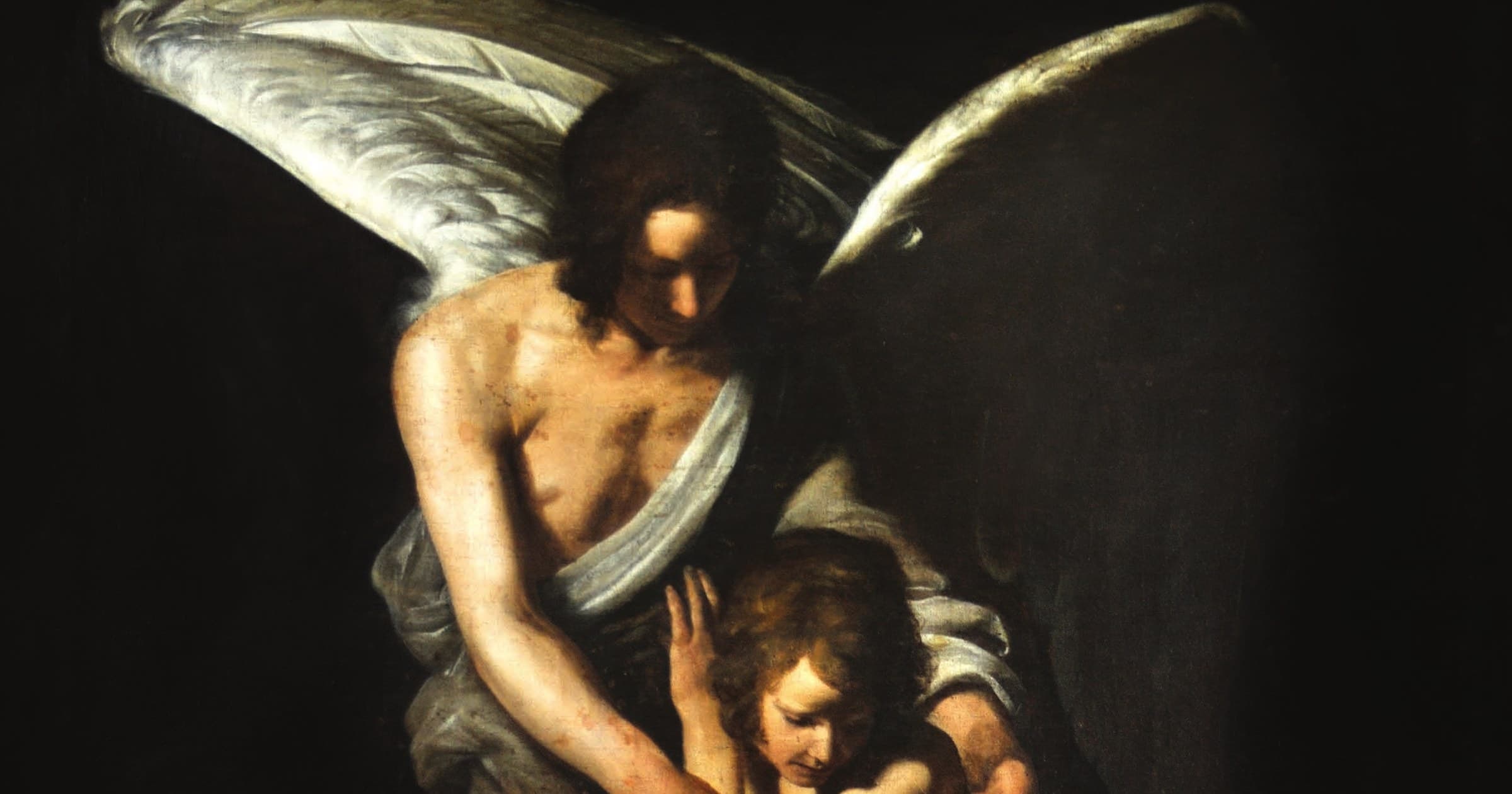
Society today operates on a broader canvas than the narrow confines of Israel’s northern and southern kingdoms at the time of Amos. This does not, however, absolve us from having a care for less advantaged regions whose labour and produce contribute to our own economy.

Luke’s account of the rich man dressed in purple, contrasted with the poor man Lazarus who languished at his gate, underlines this point. The rich man is not indicted for his wealth, but for the self-absorption that never even noticed the plight of Lazarus.

As the story unfolds, both die, but what awaited them was radically different. The poor man was taken into the bosom of Abraham, while the rich man languished in Hades. From his torment the rich man pleaded with Abraham that Lazarus might be allowed to reach down and cool his tongue. The response he received goes to the heart of the imbalance created by excessive wealth. Speaking for the poor, Abraham replied: “Between us and you a great gulf has been fixed, to stop any crossing from your side to ours.”

We are all stewards of what we have and possess. In our stewardship we can never allow a destructive gulf to develop between ourselves and those who are less fortunate than ourselves. The constant teaching of the Scriptures and the Church on poverty and the environment warn of the disastrous consequences of such gulfs within our global and local societies.

subscribe to
the catholic herald

Continue reading your article with a subscription.
Read 5 articles with our free plan.
Subscribe

subscribe to the catholic herald today

Our best content is exclusively available to our subscribers. Subscribe today and gain instant access to expert analysis, in-depth articles, and thought-provoking insights—anytime, anywhere. Don’t miss out on the conversations that matter most.
Subscribe