


February 12, 2026

Word This Week

Bishop David McGough
More
No items found.
Related
Min read
share

First Sunday of Advent
Is 2:1-5; Ps 122; Rom 13:11-14; Mt 24:37-44 (year a)

‘Come, let us go up to the mountain of the Lord, to the temple of the God of Jacob, that he may teach us his ways so that we may walk in his paths.”

The season of Advent, in its prayers and readings, invites us to draw closer to the presence of the Lord. What his presence promises was outlined long ago in the prophet Isaiah’s vision of a peace binding the nations, a world in which nation would no longer lift sword against nation. Swords would be hammered into ploughshares, and spears into sickles.
The vision, reaching back over the centuries, touches the longings of every generation. There is within us all an unfulfilled longing for God’s healing peace and for the reassurance of his presence. Such longing becomes prayer when our hearts cry out “Come, Lord Jesus, come.” The best preparation for such prayer lies in an honest examination of our lives. There is an obvious temptation at this time of the year to devote all our energies to the coming festivities. These most certainly have their place, but can we truly say that festivity alone touches our deepest longings?

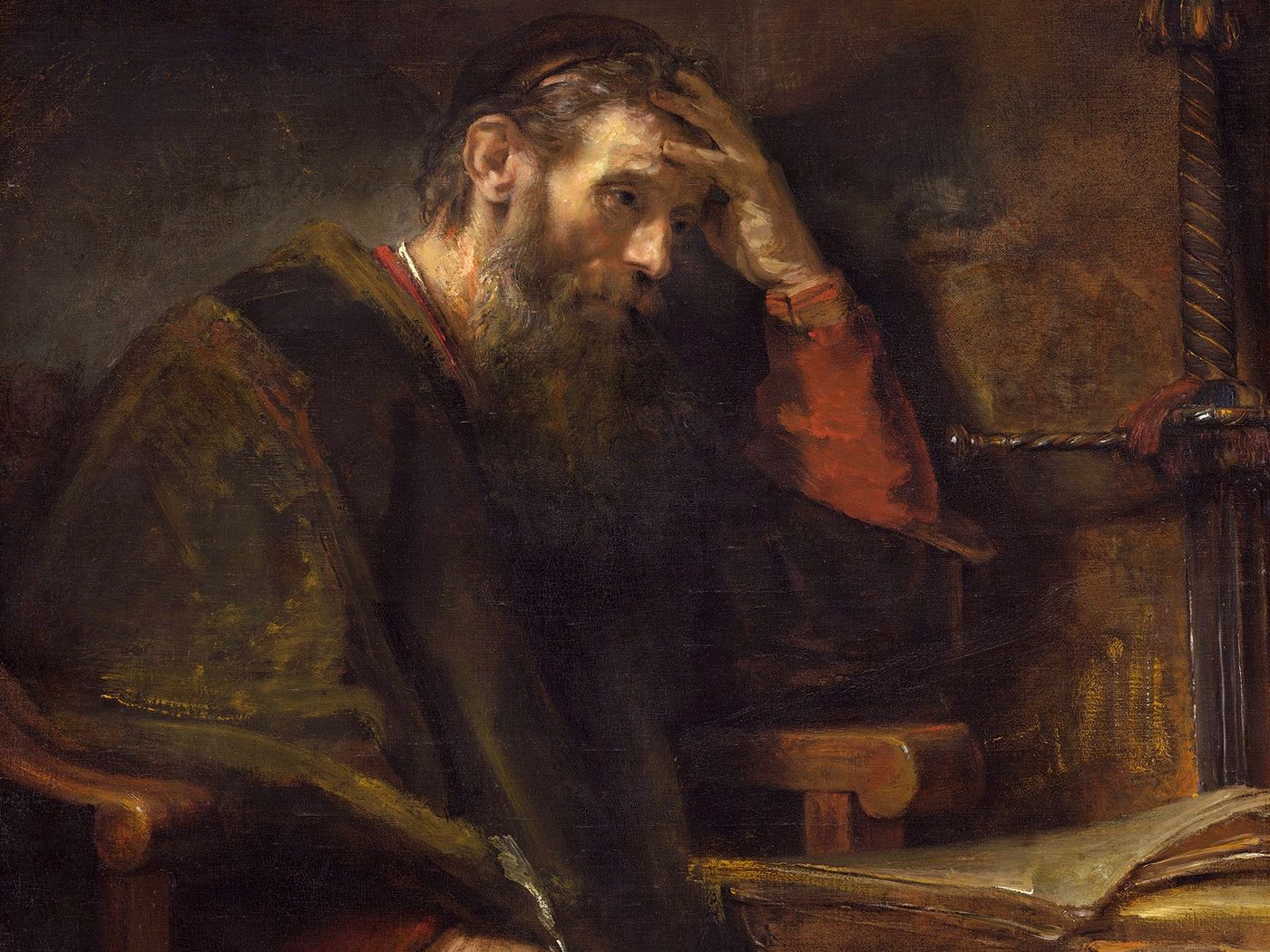
St Paul brings urgency to the season of Advent. He declares that the time has come, that we must make ready to welcome the Lord who is closer than we had ever imagined. His words probe aspects of our lives that are so easily ignored, “the things that we prefer to do under cover of the dark”. He gives us a sure hope: “The night is almost over, it will be daylight soon.”

This hope has as its sure foundation Christ’s first coming as the Word that was made flesh and dwelt among us. It looks not simply to the past, but to the present moment. It is only today, and in the days ahead, that we can search out and welcome Christ’s enduring presence. Only in the present moment can we surrender our lives to Christ’s glorious coming that leads us to the end of time.

Jesus called his disciples with the same urgency: “Stay awake, because you do not know the hour when the master is coming. You may be quite sure that if the householder had known at what time the burglar would come, he would have stayed awake.”

The Lord who comes is no burglar bringing chaos into our lives. He comes as light to our darkness, peace and healing to troubled lives. That he will come at the end of time is certain. That we shall be prepared to welcome him in this present moment is less certain. Let us, with St Paul, acknowledge that the time has come, that today we can open our hearts to his coming.

First Sunday of Advent
Is 2:1-5; Ps 122; Rom 13:11-14; Mt 24:37-44 (year a)

‘Come, let us go up to the mountain of the Lord, to the temple of the God of Jacob, that he may teach us his ways so that we may walk in his paths.”

The season of Advent, in its prayers and readings, invites us to draw closer to the presence of the Lord. What his presence promises was outlined long ago in the prophet Isaiah’s vision of a peace binding the nations, a world in which nation would no longer lift sword against nation. Swords would be hammered into ploughshares, and spears into sickles.
The vision, reaching back over the centuries, touches the longings of every generation. There is within us all an unfulfilled longing for God’s healing peace and for the reassurance of his presence. Such longing becomes prayer when our hearts cry out “Come, Lord Jesus, come.” The best preparation for such prayer lies in an honest examination of our lives. There is an obvious temptation at this time of the year to devote all our energies to the coming festivities. These most certainly have their place, but can we truly say that festivity alone touches our deepest longings?

St Paul brings urgency to the season of Advent. He declares that the time has come, that we must make ready to welcome the Lord who is closer than we had ever imagined. His words probe aspects of our lives that are so easily ignored, “the things that we prefer to do under cover of the dark”. He gives us a sure hope: “The night is almost over, it will be daylight soon.”

This hope has as its sure foundation Christ’s first coming as the Word that was made flesh and dwelt among us. It looks not simply to the past, but to the present moment. It is only today, and in the days ahead, that we can search out and welcome Christ’s enduring presence. Only in the present moment can we surrender our lives to Christ’s glorious coming that leads us to the end of time.

Jesus called his disciples with the same urgency: “Stay awake, because you do not know the hour when the master is coming. You may be quite sure that if the householder had known at what time the burglar would come, he would have stayed awake.”

The Lord who comes is no burglar bringing chaos into our lives. He comes as light to our darkness, peace and healing to troubled lives. That he will come at the end of time is certain. That we shall be prepared to welcome him in this present moment is less certain. Let us, with St Paul, acknowledge that the time has come, that today we can open our hearts to his coming.

subscribe to
the catholic herald

Continue reading your article with a subscription.
Read 5 articles with our free plan.
Subscribe

subscribe to the catholic herald today

Our best content is exclusively available to our subscribers. Subscribe today and gain instant access to expert analysis, in-depth articles, and thought-provoking insights—anytime, anywhere. Don’t miss out on the conversations that matter most.
Subscribe