


The Fourth Sunday of the Year
Zeph 2:3 & 3:12-13; 1 Cor 1:26-31; Mt 5:1-12 (year a)
‘Seek the Lord all you, the humble of the earth, who obey his commands. Seek integrity, seek humility. In your midst I will leave a humble and lowly people, and those who are left in Israel will seek refuge in the name of the Lord.”
The prophet Zephaniah was writing at a time when Israel was struggling to recover from the bitter humiliation of defeat and exile. Like the surrounding nations, they had entrusted themselves to the ambition of power and influence, forgetting the call to trust in God. The poverty of such arrogance had become their daily bread.

Humiliation is the accompaniment of pride. It can lead to bitterness and sterile resentment. Alternatively, it can become a call to change and the promise of salvation. Such was the salvation promised by Zephaniah to the humble of heart. “Do not let your hands fall limp. The Lord your God is in your midst. He will exult with joy over you, he will renew you with his love; he will dance with shouts of joy for you, as on the day of a festival.”
Humiliation is a bitter medicine, and a sure guide to hidden pride. When we cling to its bitterness, we are, in effect, feeding pride’s selfish demands. When we surrender such bitterness, seeking the Lord alone, we become that lowly and humble people foretold by the prophet.
St Paul described such humility to the people of Corinth when he described the grace of their vocation. “Take yourselves, brothers, at the time when you were called: how many of you were wise in the ordinary sense of the word? No, it was to shame the wise that God chose what is foolish. It was to shame what is strong that he chose what is weak. The human race has nothing to boast about to God. If anyone wants to boast, let him boast about the Lord.”
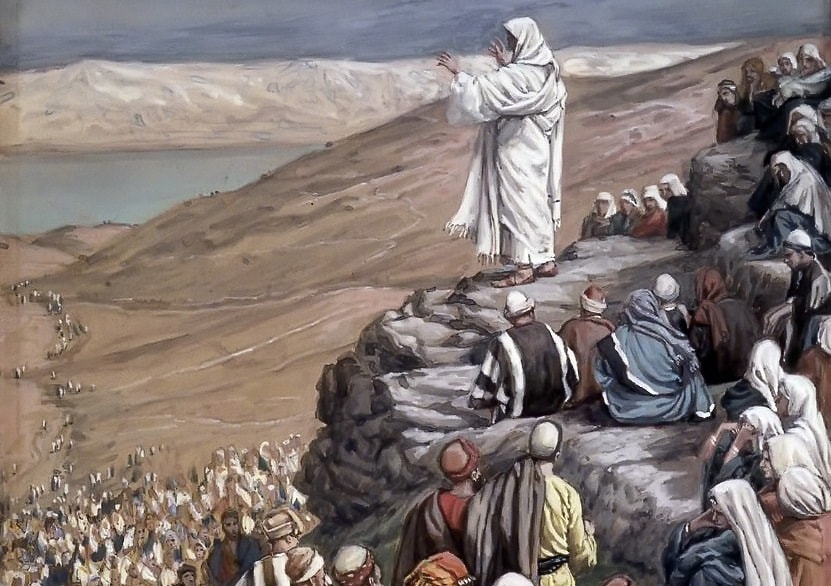
Such is the trusting humility that breathes throughout the beatitudes. We cannot claim riches in the sight of the Lord, and so we bring him our poverty. We cannot claim strength, and so we turn to his gentleness. We mourn for our sinfulness, and he becomes our comfort. We long for mercy, and he becomes the mercy that leads us to forgiveness.
The Beatitudes witness to Christ’s own life. “He did not cling to his equality with God, but emptied himself. But the Father raised him high, and gave him the name which is above all other names.”
Christ’s death and resurrection, without words, witness to the fulfilment of the Beatitudes and enable us to share their blessings.


.jpg)