

February 12, 2026

Word This Week

Bishop David McGough
More
Related
Min read
share

The Seventh Sunday of the Year
Lev 19:1-2 & 17-18; 1 Cor 3:16-23; Mt 5: 38-45 (Year A)

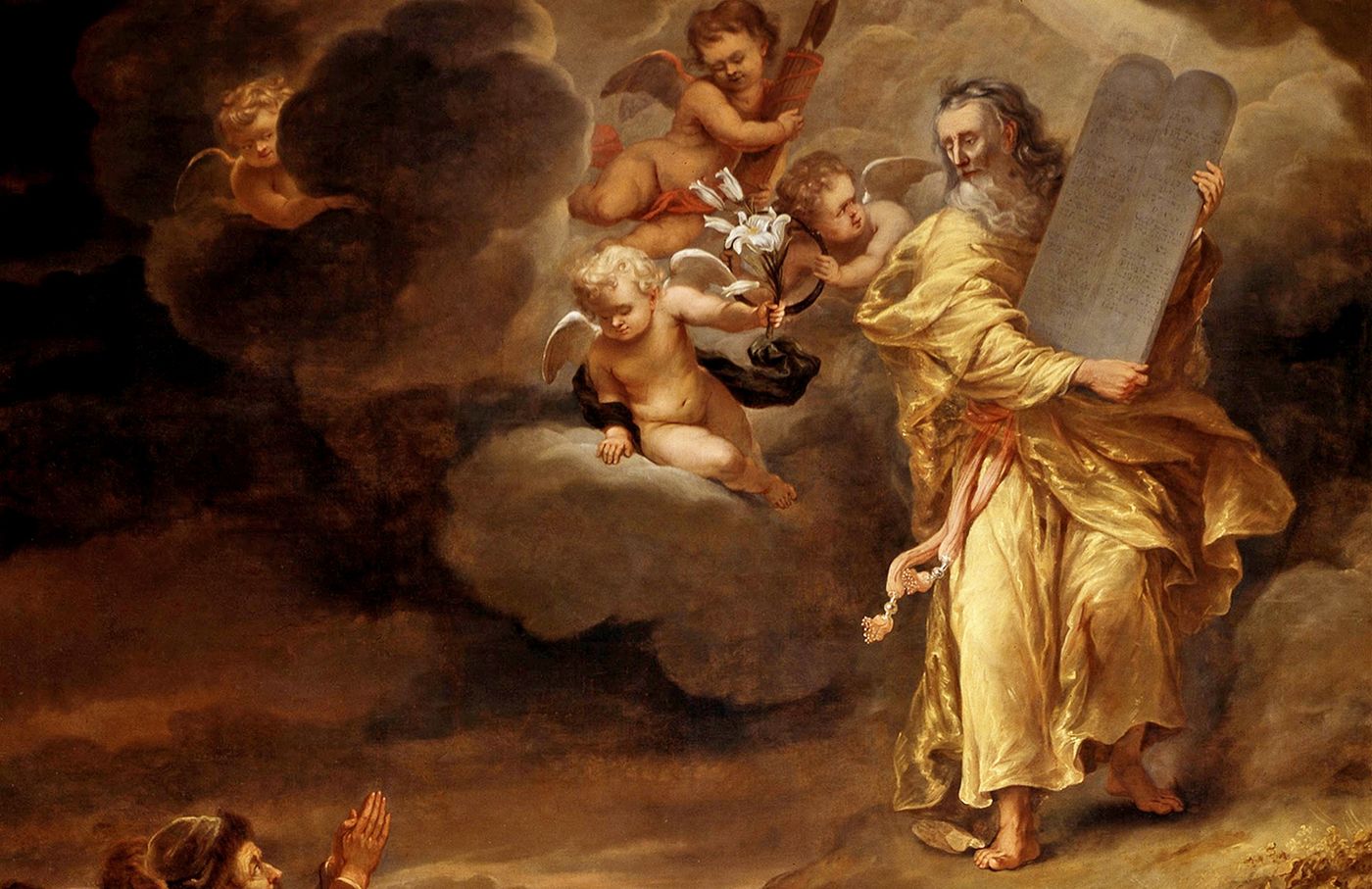
‘Be holy, for I, the Lord your God, am holy.” In the Book of Leviticus, Moses proclaimed the call to holiness as the foundation of Israel’s moral code. We cannot doubt the holiness of God, but we do perhaps struggle to understand how sinful humanity could possibly emulate the holiness of God himself.

In a similar context, after a series of challenging demands, Jesus summoned his disciples “to be perfect, just as your heavenly Father is perfect”. Once again, while we cannot doubt the Father’s perfection, we cannot, from the evidence our own daily struggles, imagine sharing such perfection.
The path to holiness, to becoming perfect as the Father is perfect, begins with the next choice that we make. This was the path set down by Moses. “You must not bear hatred for your brother in your heart. You must not exact vengeance, nor must you bear a grudge against the children of your people. You must love your neighbour as yourself.”

Few can escape the petty resentments and grudges that injured pride sows in our hearts. They feed upon themselves, expressing themselves in harsh judgments and divisive actions. In humble prayer let us acknowledge that we too, in our struggle for holiness, are the prisoners of conflicting desires. We cannot change overnight, but we can surrender the next thought, the next action, to a merciful God. We can, in the next thing that comes before us, choose to be ruled by love of neighbour rather than selfish pride.

Facing the divisions of a fractious church in Corinth, St Paul appealed to the underlying reality of what we are as congregations and communities: “Didn’t you realise that you were God’s temple and that the Spirit of God was living among you? If anybody should destroy the temple of God, God will destroy him, because the temple of God is sacred; and you are that temple.”

For the same reason Jesus invited his disciples to become a sign of his healing and reconciliation. Thus their love was to reach beyond family so as to embrace friend and foe alike. They were to give without hope of reward.

When we allow such selfless love to be at the heart of the next thing that we do, we shall know the strength of him who calls us to holiness and perfection.

The Seventh Sunday of the Year
Lev 19:1-2 & 17-18; 1 Cor 3:16-23; Mt 5: 38-45 (Year A)

‘Be holy, for I, the Lord your God, am holy.” In the Book of Leviticus, Moses proclaimed the call to holiness as the foundation of Israel’s moral code. We cannot doubt the holiness of God, but we do perhaps struggle to understand how sinful humanity could possibly emulate the holiness of God himself.

In a similar context, after a series of challenging demands, Jesus summoned his disciples “to be perfect, just as your heavenly Father is perfect”. Once again, while we cannot doubt the Father’s perfection, we cannot, from the evidence our own daily struggles, imagine sharing such perfection.
The path to holiness, to becoming perfect as the Father is perfect, begins with the next choice that we make. This was the path set down by Moses. “You must not bear hatred for your brother in your heart. You must not exact vengeance, nor must you bear a grudge against the children of your people. You must love your neighbour as yourself.”

Few can escape the petty resentments and grudges that injured pride sows in our hearts. They feed upon themselves, expressing themselves in harsh judgments and divisive actions. In humble prayer let us acknowledge that we too, in our struggle for holiness, are the prisoners of conflicting desires. We cannot change overnight, but we can surrender the next thought, the next action, to a merciful God. We can, in the next thing that comes before us, choose to be ruled by love of neighbour rather than selfish pride.

Facing the divisions of a fractious church in Corinth, St Paul appealed to the underlying reality of what we are as congregations and communities: “Didn’t you realise that you were God’s temple and that the Spirit of God was living among you? If anybody should destroy the temple of God, God will destroy him, because the temple of God is sacred; and you are that temple.”

For the same reason Jesus invited his disciples to become a sign of his healing and reconciliation. Thus their love was to reach beyond family so as to embrace friend and foe alike. They were to give without hope of reward.

When we allow such selfless love to be at the heart of the next thing that we do, we shall know the strength of him who calls us to holiness and perfection.

subscribe to
the catholic herald

Continue reading your article with a subscription.
Read 5 articles with our free plan.
Subscribe

subscribe to the catholic herald today

Our best content is exclusively available to our subscribers. Subscribe today and gain instant access to expert analysis, in-depth articles, and thought-provoking insights—anytime, anywhere. Don’t miss out on the conversations that matter most.
Subscribe