
February 12, 2026

Word this week

Bishop David McGough
More
No items found.
Related
Min read
share

15th Sunday of the Year
Is 55:10-11; Rom 8:18-23; Mt 13:1-23 (Year A)

The Parable of the Sower and the seed must rank among the most readily identifiable teachings of Jesus. So familiar are its words that we are in danger of ignoring the warning that Jesus attached to this parable: “You will listen and listen again, but not understand, see and see again, but not perceive.”

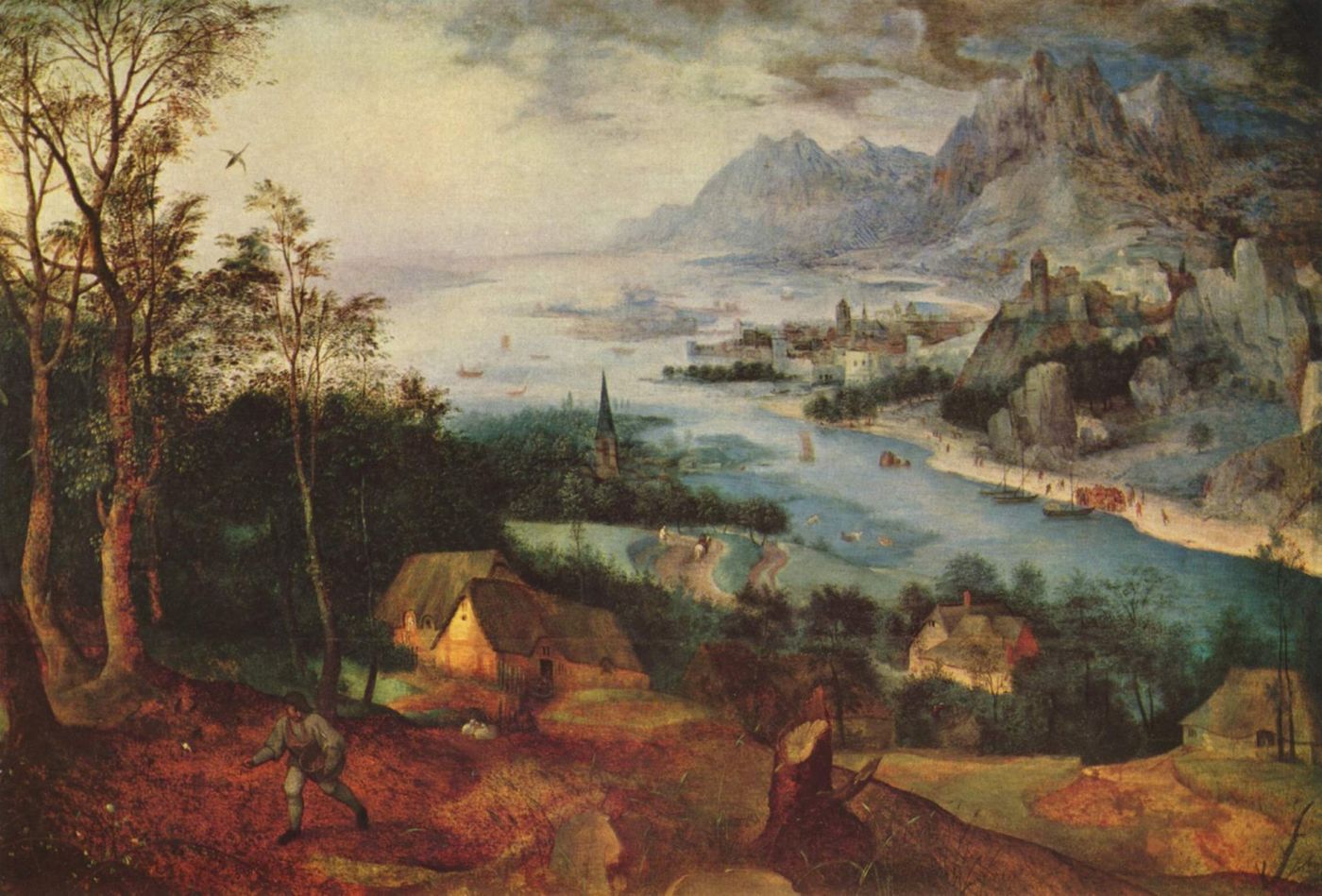
The parable describes a typical Palestinian field. Such fields are far removed from the perfection of scientific agriculture. They are, to our eyes, a confusion of stones, soil, weeds and bare rock. And yet such unpromising land becomes the seedbed of life. We are that seedbed, that confusing jumble of good and bad. We promise much, and yet are frequently frustrated by our own selfishness. At times we become like rock, unmoving and unyielding in our isolation. We are, despite our many failings, that field chosen and cherished by the Lord.
We who can so readily identify ourselves with that unpromising field should consider the seed that is sown. The Gospel acclamation describes the seed that is sown in our hearts: “The seed is the Word of God, Christ the sower; whoever finds this seed will remain forever.”

Long ago the prophet Isaiah described the Word of God as life itself, summoning the barren wilderness to abundant life. “As the rain and snow come down from the heavens and do not return without watering the earth, making it yield and giving growth to provide seed for the sower and bread for the eating, so the word that goes forth from my mouth does not return to me empty, without carrying out my will and succeeding in what it was sent to do.”

We are that wilderness called to life. We are that unpromising field chosen by the Lord. His grace is greater than our failings.

St Paul described us in other words: we are a broken creation that has always harboured the hope of being freed from its slavery to decadence, that has longed to rejoice in God as our Father.

Christ himself is the seed sown in our hearts, the first fruits of the Spirit. His is the power that bears fruit in the most unpromising field. In him we become a new creation, rejoicing as the children called to be his from the beginning.

15th Sunday of the Year
Is 55:10-11; Rom 8:18-23; Mt 13:1-23 (Year A)

The Parable of the Sower and the seed must rank among the most readily identifiable teachings of Jesus. So familiar are its words that we are in danger of ignoring the warning that Jesus attached to this parable: “You will listen and listen again, but not understand, see and see again, but not perceive.”

The parable describes a typical Palestinian field. Such fields are far removed from the perfection of scientific agriculture. They are, to our eyes, a confusion of stones, soil, weeds and bare rock. And yet such unpromising land becomes the seedbed of life. We are that seedbed, that confusing jumble of good and bad. We promise much, and yet are frequently frustrated by our own selfishness. At times we become like rock, unmoving and unyielding in our isolation. We are, despite our many failings, that field chosen and cherished by the Lord.
We who can so readily identify ourselves with that unpromising field should consider the seed that is sown. The Gospel acclamation describes the seed that is sown in our hearts: “The seed is the Word of God, Christ the sower; whoever finds this seed will remain forever.”

Long ago the prophet Isaiah described the Word of God as life itself, summoning the barren wilderness to abundant life. “As the rain and snow come down from the heavens and do not return without watering the earth, making it yield and giving growth to provide seed for the sower and bread for the eating, so the word that goes forth from my mouth does not return to me empty, without carrying out my will and succeeding in what it was sent to do.”

We are that wilderness called to life. We are that unpromising field chosen by the Lord. His grace is greater than our failings.

St Paul described us in other words: we are a broken creation that has always harboured the hope of being freed from its slavery to decadence, that has longed to rejoice in God as our Father.

Christ himself is the seed sown in our hearts, the first fruits of the Spirit. His is the power that bears fruit in the most unpromising field. In him we become a new creation, rejoicing as the children called to be his from the beginning.

subscribe to
the catholic herald

Continue reading your article with a subscription.
Read 5 articles with our free plan.
Subscribe

subscribe to the catholic herald today

Our best content is exclusively available to our subscribers. Subscribe today and gain instant access to expert analysis, in-depth articles, and thought-provoking insights—anytime, anywhere. Don’t miss out on the conversations that matter most.
Subscribe