

A Yorkshireman has created a map pinpointing the birthplaces of nearly 300 martyrs of the English Reformation. The map, put together by Graeme Garvey, 63, of Pocklington in the Yorkshire Wolds, shows a density of Catholic martyrs in the holy hotspots of Yorkshire, Lancashire and Oxfordshire. But it also demonstrates the wide geographical sweep of persecution, with martyrs coming from nearly every county in England. The largest number – more than 50 – were from Yorkshire, while just over 30 came from Lancashire and eight, according to Garvey’s map, were born in Oxfordshire. Garvey said moving to Pocklington four years ago had prompted him to learn about the martyrs in the area – for instance, Blessed Richard Langley, a landowner and father of four daughters who lived a mile outside the town, and who was hanged for sheltering priests. A large Catholic uprising against Henry VIII known as the Pilgrimage of Grace also began in the Yorkshire Wolds. “Two things started to dawn on me,” Mr Garvey wrote in a blog post at catholicherald.co.uk. First, “how much the ordinary English people loved their Catholic faith”; and, second, “the huge scale of suffering they endured”. He said he embarked on the project when he began looking for a map and could not find one. Creating it, he said, felt like “an important thing to do”, he told the Herald. “The whole history needs telling. It’s been forgotten for too long.” While a few hundred martyrs are known about, Mr Garvey said, tens of thousands of Catholics likely died for their faith, including whole families. He said it was the “humble faith of ordinary people” who suffered alongside more prominent figures, that particularly touched him. The map, which lists Catholics martyred between 1534 and 1680, is available to view online and can be accessed at catholicherald.co.uk. Each pinpoint is hyperlinked and will send readers to an online biography of the martyr. Meanwhile, Mr Garvey has urged readers to alert him to any omissions – he can be emailed at graemegarvey@gmail.com. He said it was a “moving” exercise, adding: “Throughout I felt sustained by a beatific host of my fellow countrywomen and countrymen – a nation sanctified through suffering.”
12:00 PM
Yorkshireman creates martyrs’ map of Britain
Staff Reporter


4 min read



Already a subscriber? Sign in
5freearticles every month
Continue reading with a free account. No card needed.
- Five free articles every thirty days, on any device you sign in on
- The Catholic Herald newsletter, every morning
- Subscribe whenever you like for everything: every article and the magazine
Related articles
 Newsroom
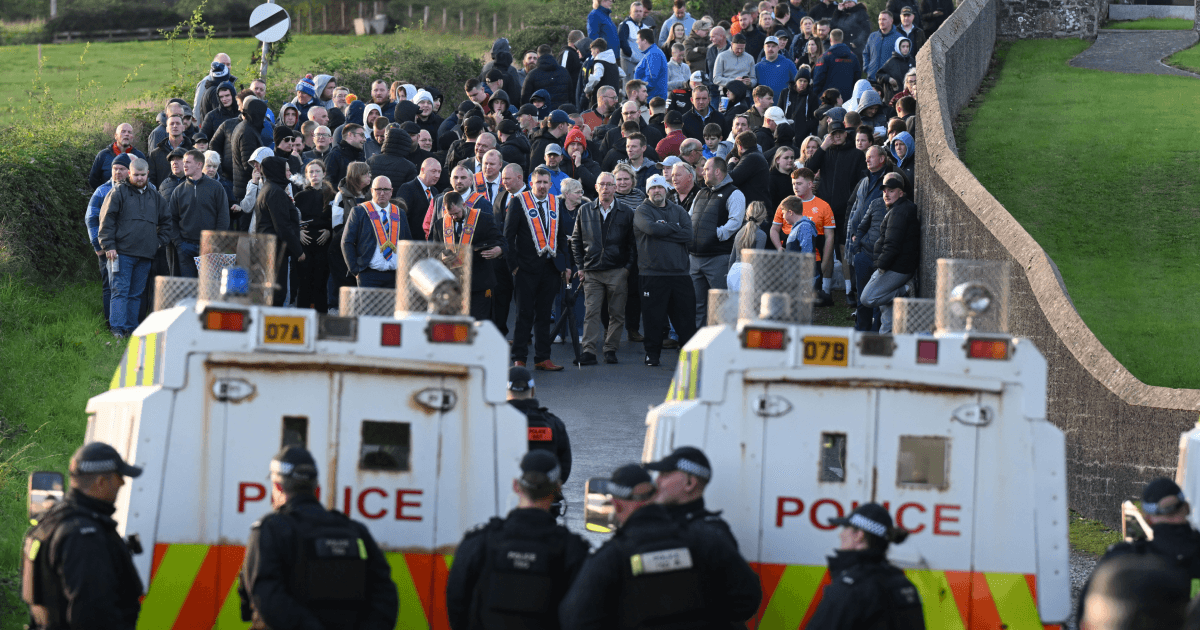
Church leaders urge Drumcree dialogue: ‘Too much is at stake’
The Catholic and Church of Ireland Archbishops of Armagh have urged a renewed commitment to peace and reconciliation amid the Drumcree stand-off
Corrie Douglas-Young Newsroom
Thousands of Irish children to join global Rosary campaign
Corrie Douglas-Young Newsroom
TikTok priest urges young people to stand with persecuted Christians
Nathalie Raffray Newsroom
Baby born at 25 weeks reunites with neonatologist two years after leaving hospital
The Catholic Herald Newsroom
Joe Biden honoured by Planned Parenthood after defending abortion rights
Christine Rousselle
subscribe to the catholic herald today
Our best content is exclusively available to our subscribers. Subscribe today and gain instant access to expert analysis, in-depth articles, and thought-provoking insights—anytime, anywhere. Don’t miss out on the conversations that matter most.
Subscribe



