


January 3, 2026
January 3, 2026

You don’t have to be merry at Christmas

Min read
share

In a culture that starts putting out Christmas decorations right after back-to-school supplies, anyone who suggests that perhaps tinsel reindeer décor is a bit much in October risks being deemed a Scrooge. Even amongst Catholics, there is often debate each year about how to honour Advent as a penitential season whilst not becoming “Grinchy” to our neighbours. What everyone seems to agree on, though, is that merriment during Christmas itself is both fitting and necessary.

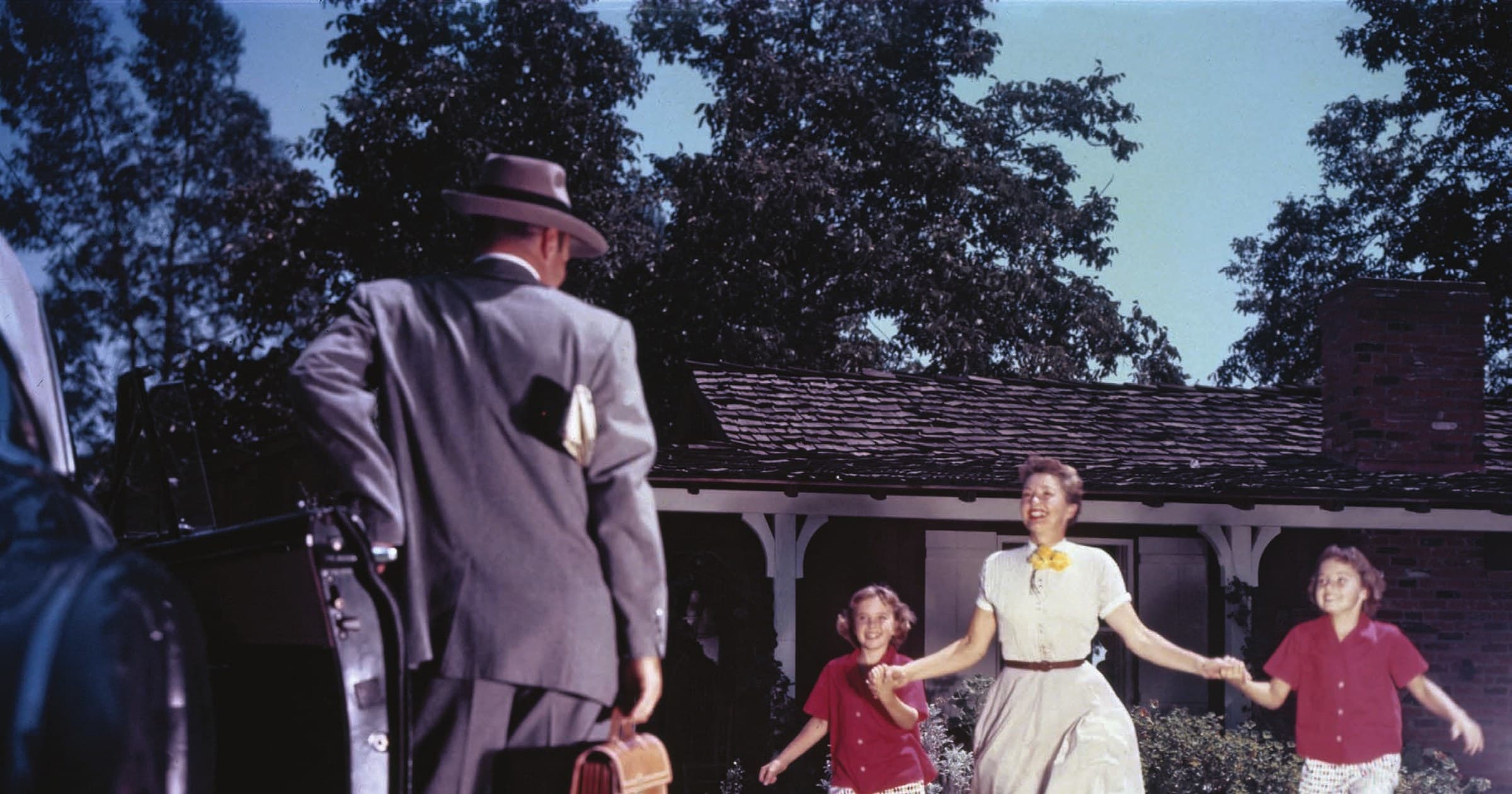
But what about the multitudes who actually have a difficult time with all the holly-jolly-ness of the Christmas season? What about the people who are grieving the loss of loved ones, weighed down by the brokenness of dysfunction, lonely and longing for a home? What about the people who don’t feel merry?
“Dearly beloved, today our Saviour is born; let us rejoice. Sadness should have no place on the birthday of life. The fear of death has been swallowed up; life brings us joy with the promise of eternal happiness,” preached Pope Saint Leo the Great, more than a millennium ago. “Let us celebrate the birthday of the Lord with a joyous gathering and appropriate festivity,” exhorted St Augustine of Hippo.

Are these giants in the faith instructing us to have ourselves a merry little Christmas? Must we deck the halls? Are we bad Christians if we fail to smile and feel the warmth of Christmas cheer?

Despite what it appears, I think not. The joyous festive gathering we must celebrate on Christmas is the Mass. And at that Mass, like every other Mass of the year, God becomes present to us through the sacrament of the Eucharist. He pours himself out, body and blood. We are brought to Calvary and to the Heavenly banquet: realities that remain real, regardless of whether or not we feel merry, sad, or nothing at all.

If the Church were concerned that we experience nothing but emotional happiness (something different than true joy, a fruit of the Holy Spirit), she would hardly include so many of the feasts that she does in the octave of Christmas. First comes St Stephen, the first martyr, whose witness while being stoned to death mimics Christ’s own passion. Two days later priests don red vestments again, this time in commemoration of the Holy Innocents. So many young children, murdered in cold blood, simply for being around the same age as Jesus. The Sunday within the octave is devoted to the Holy Family, who had to flee into the foreign land of Egypt to save the Christ child. How did Mary and Joseph feel, knowing that for the rest of their lives, the very sight of their own son would be a painful reminder to their peers of what they had lost?

These stories are not what most people would call happy. Bring them out at the office Christmas party and you aren’t likely to win any ‘merriest’ awards. And yet these are the stories that the Christian community has chosen to celebrate in these hallowed days.

How can we be called to rejoice while celebrating those whose stories appear tragic? That seeming paradox lies at the heart of the Christian witness. The rejoicing we are called to is not an emotion. It is the fruit of a knowledge that this world and its sadness are not all there is, that death does not have the final word on the lives of those who follow the one who is the Way and the Truth and the Life.

“In the fullness of time, chosen in the unfathomable depths of God’s wisdom, the Son of God took for himself our common humanity in order to reconcile it with its creator. He came to overthrow the devil, the origin of death, in that very nature by which he had overthrown mankind,” says Pope St Leo the Great.

Our task is not to feel any particular way about anything. As the Catechism notes, “strong feelings are not decisive for the morality or the holiness of persons.” (1768) Our task at Christmas is to enter into the mystery of the Incarnation.

In his Christmas homily of 2012, Pope Benedict XVI reflected on how we might enter that mystery, just as the shepherds entered Bethlehem:  “Trans-eamus is what the Latin Bible says: let us go “across”, daring to step beyond, to make the ‘transition’ by which we step outside our habits of thought and habits of life, across the purely material world into the real one, across to the God who in his turn has come across to us.”

This transition in which we leave behind old habits and ways of life to enter into the real world may or may not be accompanied by happy feelings. For most of us, that transition comes with some amount of discomfort; thankfully, that’s precisely what Christmas is for. As Pope Benedict explains: “It is as if God were saying: I know that my glory frightens you, and that you are trying to assert yourself in the face of my grandeur. So now I am coming to you as a child, so that you can accept me and love me.”

We can approach the Christ child, God who took on our lowliness, with whatever emotions happen to be present in us - and for many people, this time of year brings a host of difficult emotions. The loneliness, sorrow, grief, or disappointment that we may feel are not mean to be bulldozed by merriment. They can be found in the saintly lives that we commemorate and they can be brought to the altar from which we receive Christ’s own body and blood. Our celebrations are based on something much deeper than generic lights and cheer. 

Our duty is not to manufacture a feeling, but to journey to Bethlehem. As Pope Benedict encouraged: “We want to let this joy reach out and touch us: truth exists, pure goodness exists, pure light exists. God is good, and he is the supreme power above all powers.”


In a culture that starts putting out Christmas decorations right after back-to-school supplies, anyone who suggests that perhaps tinsel reindeer décor is a bit much in October risks being deemed a Scrooge. Even amongst Catholics, there is often debate each year about how to honour Advent as a penitential season whilst not becoming “Grinchy” to our neighbours. What everyone seems to agree on, though, is that merriment during Christmas itself is both fitting and necessary.

But what about the multitudes who actually have a difficult time with all the holly-jolly-ness of the Christmas season? What about the people who are grieving the loss of loved ones, weighed down by the brokenness of dysfunction, lonely and longing for a home? What about the people who don’t feel merry?
“Dearly beloved, today our Saviour is born; let us rejoice. Sadness should have no place on the birthday of life. The fear of death has been swallowed up; life brings us joy with the promise of eternal happiness,” preached Pope Saint Leo the Great, more than a millennium ago. “Let us celebrate the birthday of the Lord with a joyous gathering and appropriate festivity,” exhorted St Augustine of Hippo.

Are these giants in the faith instructing us to have ourselves a merry little Christmas? Must we deck the halls? Are we bad Christians if we fail to smile and feel the warmth of Christmas cheer?

Despite what it appears, I think not. The joyous festive gathering we must celebrate on Christmas is the Mass. And at that Mass, like every other Mass of the year, God becomes present to us through the sacrament of the Eucharist. He pours himself out, body and blood. We are brought to Calvary and to the Heavenly banquet: realities that remain real, regardless of whether or not we feel merry, sad, or nothing at all.

If the Church were concerned that we experience nothing but emotional happiness (something different than true joy, a fruit of the Holy Spirit), she would hardly include so many of the feasts that she does in the octave of Christmas. First comes St Stephen, the first martyr, whose witness while being stoned to death mimics Christ’s own passion. Two days later priests don red vestments again, this time in commemoration of the Holy Innocents. So many young children, murdered in cold blood, simply for being around the same age as Jesus. The Sunday within the octave is devoted to the Holy Family, who had to flee into the foreign land of Egypt to save the Christ child. How did Mary and Joseph feel, knowing that for the rest of their lives, the very sight of their own son would be a painful reminder to their peers of what they had lost?

These stories are not what most people would call happy. Bring them out at the office Christmas party and you aren’t likely to win any ‘merriest’ awards. And yet these are the stories that the Christian community has chosen to celebrate in these hallowed days.

How can we be called to rejoice while celebrating those whose stories appear tragic? That seeming paradox lies at the heart of the Christian witness. The rejoicing we are called to is not an emotion. It is the fruit of a knowledge that this world and its sadness are not all there is, that death does not have the final word on the lives of those who follow the one who is the Way and the Truth and the Life.

“In the fullness of time, chosen in the unfathomable depths of God’s wisdom, the Son of God took for himself our common humanity in order to reconcile it with its creator. He came to overthrow the devil, the origin of death, in that very nature by which he had overthrown mankind,” says Pope St Leo the Great.

Our task is not to feel any particular way about anything. As the Catechism notes, “strong feelings are not decisive for the morality or the holiness of persons.” (1768) Our task at Christmas is to enter into the mystery of the Incarnation.

In his Christmas homily of 2012, Pope Benedict XVI reflected on how we might enter that mystery, just as the shepherds entered Bethlehem:  “Trans-eamus is what the Latin Bible says: let us go “across”, daring to step beyond, to make the ‘transition’ by which we step outside our habits of thought and habits of life, across the purely material world into the real one, across to the God who in his turn has come across to us.”

This transition in which we leave behind old habits and ways of life to enter into the real world may or may not be accompanied by happy feelings. For most of us, that transition comes with some amount of discomfort; thankfully, that’s precisely what Christmas is for. As Pope Benedict explains: “It is as if God were saying: I know that my glory frightens you, and that you are trying to assert yourself in the face of my grandeur. So now I am coming to you as a child, so that you can accept me and love me.”

We can approach the Christ child, God who took on our lowliness, with whatever emotions happen to be present in us - and for many people, this time of year brings a host of difficult emotions. The loneliness, sorrow, grief, or disappointment that we may feel are not mean to be bulldozed by merriment. They can be found in the saintly lives that we commemorate and they can be brought to the altar from which we receive Christ’s own body and blood. Our celebrations are based on something much deeper than generic lights and cheer. 

Our duty is not to manufacture a feeling, but to journey to Bethlehem. As Pope Benedict encouraged: “We want to let this joy reach out and touch us: truth exists, pure goodness exists, pure light exists. God is good, and he is the supreme power above all powers.”


share

subscribe to the catholic herald today

Our best content is exclusively available to our subscribers. Subscribe today and gain instant access to expert analysis, in-depth articles, and thought-provoking insights—anytime, anywhere. Don’t miss out on the conversations that matter most.
Subscribe