September 7, 2026

10,000 pro-lifers fill London’s streets at March for Life

Michael Haynes
More
Related
Min read
share

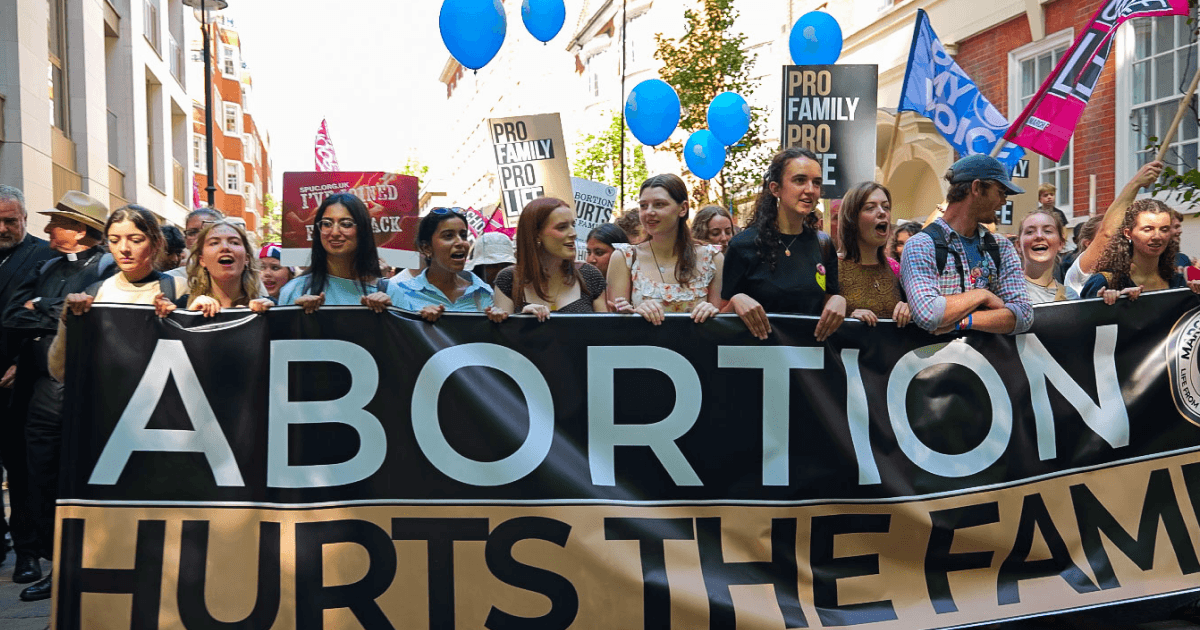
Undeterred by violent pro-abortion protests, over 10,000 pro-lifers took to the streets of London for the annual March for Life on Saturday, with a record 15 Catholic bishops attending.

Wending through the streets of London from the Emmanuel Centre to Parliament Square, the 2026 March for Life UK was populated by all ages and backgrounds. The footage bears witness to the testimony of many attendees, in that it was a happy and peaceful presence in the capital by the pro-life crowd.  

Participants came from all corners of the nation, keen to give public support to the pro-life cause. “We want to say today that human life matters, that every life matters, from first moments of conception to natural death, and we’re doing that joyfully, with great confidence and with great love,” said Southwark’s Archbishop John Wilson.
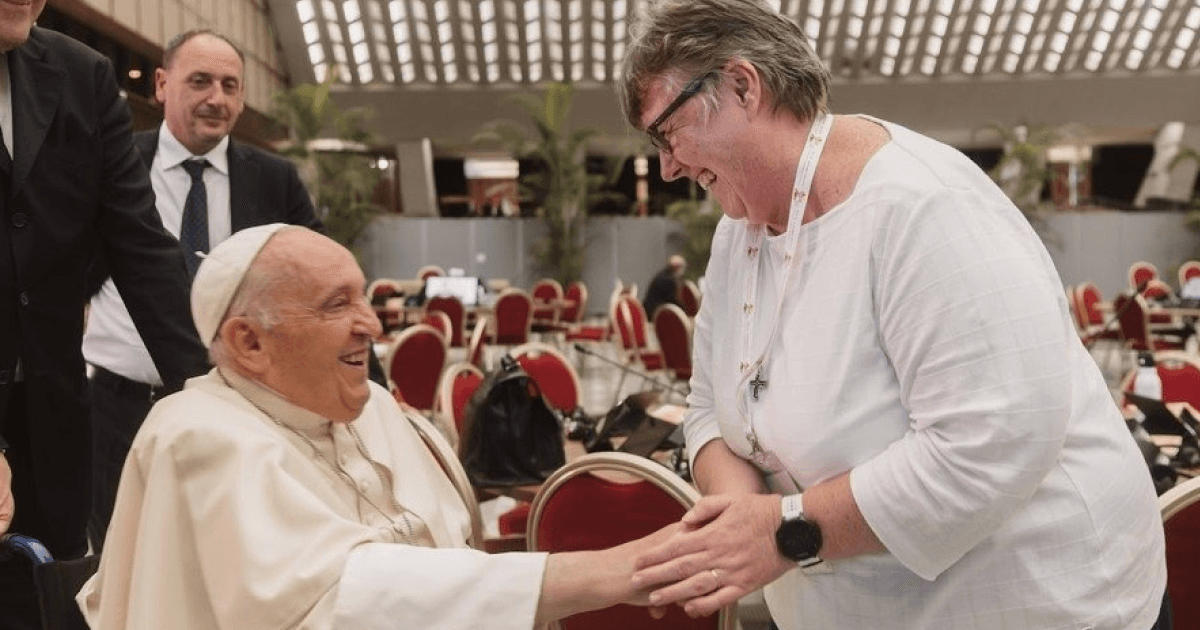
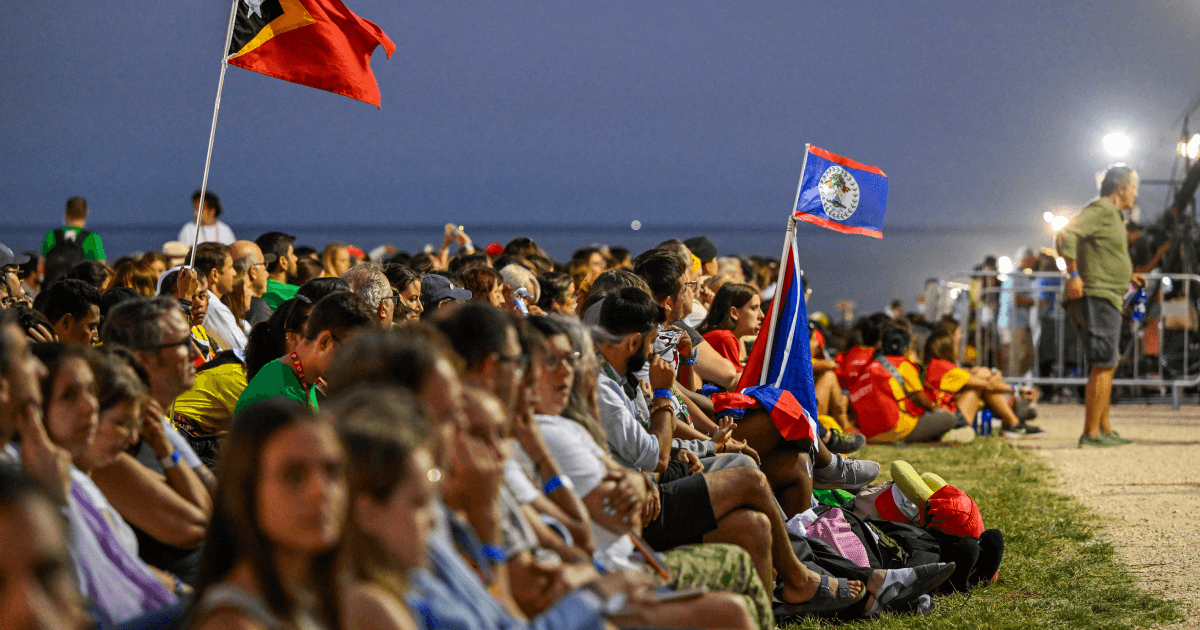
As ever, the day started with the massed gathering at the Emmanuel Centre with speakers and workshops for all ages, including specific forums for counting the abortive ideology from the point of view of both mothers and fathers. An inaugural Youth Summit was also held before the March, which drew many young people for their first March for Life. March for Life communications office Sarah Hope Spencer told the Catholic Herald that “they shared their stories with me of having become recently convinced of the humanity of the unborn and passionate about the pro-life cause.”

Faith was a central part of the March also. For the Protestant attendees a service to begin the day was held in St Andrew’s Holborn, while in Westminster Cathedral Archbishop Richard Moth concelebrated the Mass with 14 other Catholic bishops. The record number of bishops attending the March this year pointed to the feeling of vitality the event carries, something attested to by many participants. Many Latin Rite diocesan bishops joined Moth, as did the bishop of the Armed Forces, Bishop David Waller of the Ordinariate and Bishop Kenneth Nowakowski of the Ukrainian Catholic Eparchy. Pope Leo XIV also sent a message of support and encouragement to the March, which was read out in Westminster Square by Bishop John Keenan of the Diocese of Paisley.  

“The people here are grandparents, young people, young adults, parents, clergy, religious sisters, all kinds of different people,” said Archbishop Wilson. “Many who share my faith, some who don’t – but we’re united in one conviction: that the dignity of human life is paramount. That without a dignified approach to human life, what basis do we have for a civilised society?”

For the family-run Scottish Catholic media team, Sancta Familia Media, it was the first time at the March for Life, but they came away impressed both at the logistical organisation and the atmosphere. “It gets people thinking,” said Sancta’s co-founder John Mallon, who noted the joyful, prayerful atmosphere on site. “If we’re going to reverse the culture of death then we have to be witnesses to life and remind people that this debate isn’t going away.”

“The purpose of the March for Life was amply fulfilled,” said Hope Spencer. “We marched 10,000-strong in peaceful, prayerful protest against the injustice of abortion. We reminded the British public of the size and strength of the pro-life movement in the UK, and we reminded one another that we are not alone in this fight.”

Given its size and prominence, the March for Life has now begun to attract regular counter-protest by abortion supporters. Members of a transgender pro-abortion group broke into Westminster Cathedral to disrupt the morning Mass, holding banners at the front of the cathedral and chanting slogan while being escorted out by security. The group described the March for Life as “promoted and funded by far-right fascist groups, who intend to exert influence in UK politics, supporting the rise of fascist ideologies and advancing the power of the Reform party.”

Footage of their protest inside the cathedral quickly went viral online and prompted many concerns about a lack of consistent enforcement of the law by police. “If these protesters are not charged, then Britain is well and truly living a two tier-system,” wrote March for Life organisers, who have taken a firm public stance against the counter-protestors’ actions throughout the day.

Pro-abortion protestors were also active at the finishing venue of Westminster Square, resorting to physical scuffles and some violence as they engaged some at the March.  

Hope Spencer told the Herald that the contrast between the two groups “was really striking”. “While the March for Life was filled with song and conversation, the counter protest was a never-ending din of horns, whistles, sirens, and shouts,” she said. The counter-protestors’ aim seemed to be “to disrupt and disturb” whilst the March for Life filled the streets with “singing, laughter, prayers, and warmth”.

When some March participants tried to engage the abortion protestors “they were met repeatedly with shouting, whistle-blowing, and blaring megaphones. Independent journalists covering the March had umbrellas and protest signs shoved in their faces, and at times were met with violence.”

Reflecting on the March, Eden McCourt – founder of pro-life group Abortion Resistance – told the Herald that “if there’s one thing this past weekend has opened my eyes to it’s the fact that we need to be more loud, more bold, more active than ever in our refusal to submit to a society that deems unborn human life as expendable.”  

The nation’s abortion laws are “barbaric” and “archaic”, she said, and being “pro-abortion is to be anti-equality. And this ideology has no place in civilised society.”

McCourt urged young people especially to engage in anti-abortion activism: “It is not enough to be passively pro-life anymore, we need to be actively anti-abortion and work to promote the culture of life in our daily lives.” Contact Abortion Resistance for help, she encouraged, emphasising that the abortive culture has “consumed rational women and spat them out as science-deniers and adversaries of equality.”

Archbishop Wilson emphasised this importance of public witness as something for Catholics to participate in, noting that “witness to life is a witness to Christ, because Jesus said, ‘I am the way, the truth and the life’. He comes to bring us life by his resurrection. So we are the people of life, because Jesus rose from the dead and gave us the precious gift of life, which we want to live in its fullness.”

While the isolated pro-abortion protestors will likely draw any interest shown by the secular media, such elements were a small side show to the day. March for Life organisers praised the event as “a special March with many people witnessing and standing for the right to life and protection of the unborn.”

Michael Haynes is an English journalist in the Holy See Press Corps. He serves as Vatican Correspondent for the Catholic Herald, while readers can follow him at Per Mariam and on X @MLJHaynes.

Continue reading with a free account

Create a free account to read up to five articles each month
Create free account

You have # free articles remaining this month.

Subscribe to get unlimited access.
Sign up

subscribe to the catholic herald today

Our best content is exclusively available to our subscribers. Subscribe today and gain instant access to expert analysis, in-depth articles, and thought-provoking insights—anytime, anywhere. Don’t miss out on the conversations that matter most.
Subscribe