


On Saturday morning Pope Francis issued an apostolic letter that sent a tremor through the Catholic world. Come una madre amorevole (“As a Loving Mother”) sets out new norms for the removal of bishops who have “through negligence, committed or omitted acts that have caused grave harm to others, either with regard to physical persons or with regard to the community itself”. The letter says that when the Vatican believes a bishop has acted negligently, the “competent congregation of the Roman Curia” will launch an investigation. If the congregation concludes that a bishop should be removed, the Pope will make the final decision with advice from a “dedicated college of jurists” composed of bishops and cardinals. The Vatican and its associated media presented the letter as a breakthrough in efforts to hold bishops accountable for mishandling abuse cases. The text, they noted, says that, with regard to the “abuse of minors or vulnerable adults, it is sufficient that the lack of diligence be grave”. Cardinal Seán O’Malley, president of the Pontifical Commission for the Protection of Minors, said the letter was “clearly an important and positive step forward”. At the same time, Vatican spokesman Fr Federico Lombardi insisted that the document was not revolutionary. The letter, he said, merely establishes procedures for the application of an already existing law. According to the Vatican, then, the letter is both a landmark moment in the abuse struggle and a modest gloss on current canon law. But some observers have pointed out that the new definition of episcopal negligence is very broad. As canon lawyer Ed Condon wrote at catholicherald.co.uk on Saturday: “Under these new norms, bishops could see cases brought against them for failures in financial oversight, personnel policy or virtually any area of diocesan governance which could potentially cause ‘physical, moral, or spiritual harm’ to an individual or the community.” The new norms go into effect on September 5, so we should be able to gauge their impact relatively quickly. Marie Collins, the only member of the Pontifical Commission for the Protection of Minors who is an abuse survivor, says, wisely, that “the most important aspect of any new procedure is its implementation and that is what we must wait to see”. If the letter leads to the swift removal of dozens of bishops worldwide who have mishandled abuse cases, then we can judge it a success. If the text results in a slew of cases against bishops on other grounds, it may require significant tweaking. Of course, no Vatican document, however well-framed, can end the global struggle against abuse. That fight will continue for the rest of our lifetimes and far beyond. We all continue to share responsibility for making the Catholic Church a safe place for children from Manhattan to Manila, and we must remain forever vigilant.
1:00 PM
A landmark moment?
Staff writers

5 min read



Already a subscriber? Sign in
5freearticles every month
Continue reading with a free account. No card needed.
- Five free articles every thirty days, on any device you sign in on
- The Catholic Herald newsletter, every morning
- Subscribe whenever you like for everything: every article and the magazine
Related articles
 Newsroom
Church leaders urge Drumcree dialogue: ‘Too much is at stake’
The Catholic and Church of Ireland Archbishops of Armagh have urged a renewed commitment to peace and reconciliation amid the Drumcree stand-off
Corrie Douglas-Young Newsroom
Thousands of Irish children to join global Rosary campaign
Corrie Douglas-Young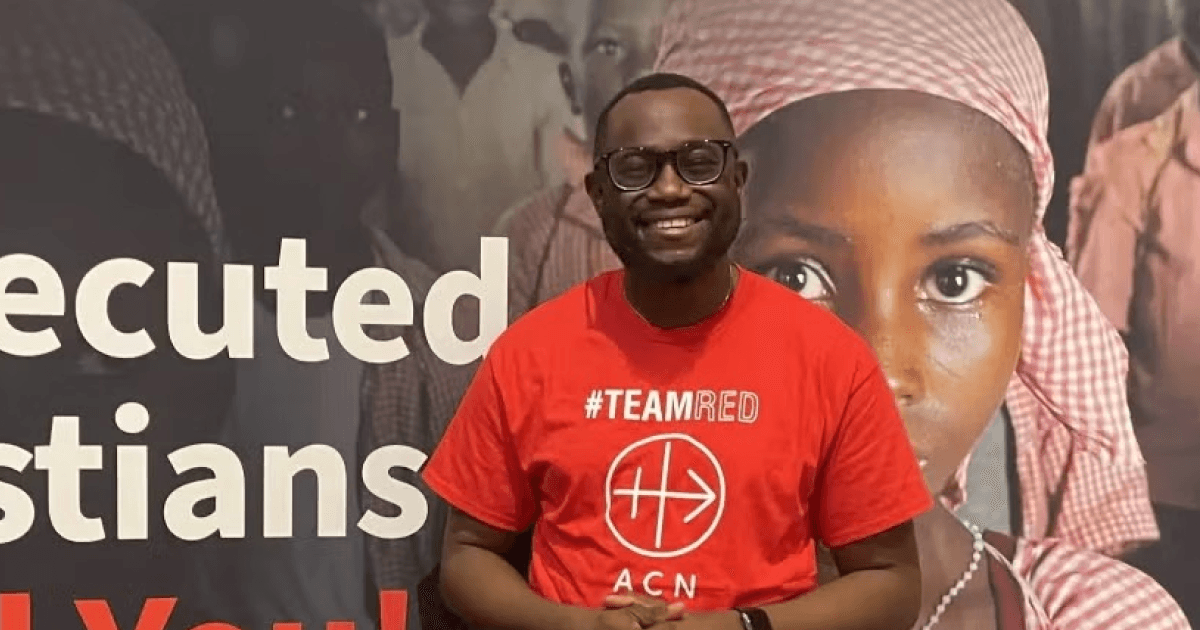 Newsroom
TikTok priest urges young people to stand with persecuted Christians
Nathalie Raffray Newsroom
Baby born at 25 weeks reunites with neonatologist two years after leaving hospital
The Catholic Herald Newsroom
Joe Biden honoured by Planned Parenthood after defending abortion rights
Christine Rousselle
subscribe to the catholic herald today
Our best content is exclusively available to our subscribers. Subscribe today and gain instant access to expert analysis, in-depth articles, and thought-provoking insights—anytime, anywhere. Don’t miss out on the conversations that matter most.
Subscribe



